Cellular senescence is a state of irreversible growth arrest that turns functional cells into zombie cells. These senescent cells occur in all types of tissues and organs and the skin is no exception.

Cellular senescence is a state of irreversible growth arrest that turns functional cells into zombie cells. These senescent cells occur in all types of tissues and organs and the skin is no exception.

It's no wonder the Vagus nerve has been called the ‘great wandering protector’ of the body. Learn why healthy vagal tone is a key health metric and science-backed ways to stimulate the vagus nerve for increased stress resilience.

Structural plasticity is the brain’s ability to physically reshape its structure in response to change.

Rewire your brain with these 8 powerful neuroplasticity exercises. Data-backed ways to boost memory and mental agility.
There is an organ that we often take for granted and whose importance should probably be more acknowledged: the skin.
This study aimed to assess whether Qualia Skin, by providing skin nourishment from within and supporting comprehensive skin health and healthy skin aging, would change participant satisfaction and self-ratings of aspects of the skin’s feel and appearance.
Understanding the main aspects of skin health, the major processes and pathways of healthy skin physiology, and the mechanisms of skin aging is essential to learning how to keep the skin healthy and youthful.
The best way to understand how to keep the skin healthy and youthful is by understanding what are the factors that impact skin health and aging, which is what we’ll explore in this article.
The skin is a special organ that combines the body’s major systems: circulatory, nervous, muscular, immune, endocrine. It is a barrier that protects us against the threats in our environment, but it is also a sensory organ that allows us to perceive the outside world. Read on to understand both the structure and function of the skin.
Selectively eliminating dysfunctional mitochondria (mitophagy) and replacing them with new mitochondria (mitochondrial biogenesis) helps us stay biologically younger. But what exactly are the functions of mitochondria and how does mitochondrial health affect aging?
Being fully aware of the hurdles of screen time—we spend as much time looking at screens as anyone else—we wanted to create a product that would support and protect the health, resistance, and resilience of the visual system. We designed Qualia Vision to help our eyes cope with the challenges of the digital age hose a set of ingredients that could support visual health and performance.
A very significant part of the human brain is involved with analyzing the visual world. Learn how our eyesight affects the brain.
Learn what blue light is and if it’s bad for our eyes.
Vision is the process through which light stimuli received through the eyes are transformed into a mental image by the brain. It is our sense of sight. This process is accomplished by the visual system, the sensory system that enables vision, which includes the eyes—the sensory organ for vision—and the neuronal visual pathways of the brain, from the retinas to the cerebral cortex.
Nootropics are substances that enhance cognitive function and performance. Nootropics have become increasingly popular in recent years but you might still have questions about the science surrounding nootropics. If so, this article is for you.
Immunometabolism is the crosstalk between metabolic and immunological processes. Mitochondria, the cellular structures that generate cell energy, are key elements in the crosstalk between metabolic and immune signaling pathways.
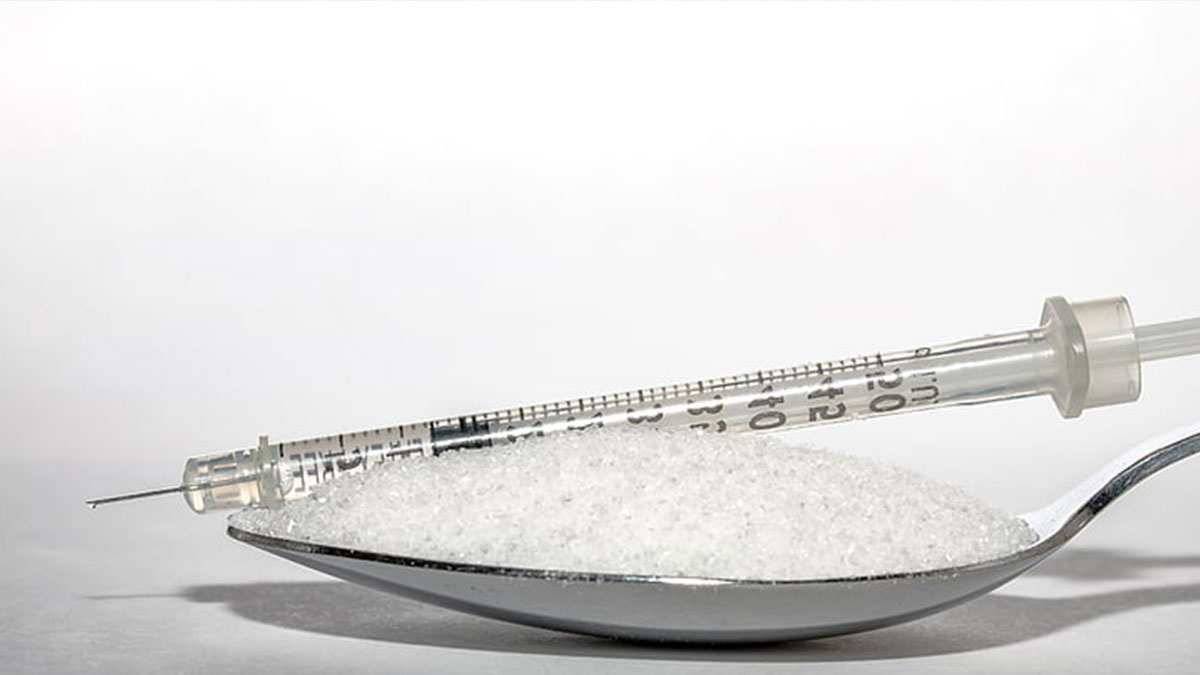
Insulin is a hormone produced by beta cells in the pancreas with a central role in the regulation of metabolism and cell energy reserves. The major metabolic action of insulin is to regulate blood glucose levels and to promote the storage of energy substrates as macromolecules that can be mobilized between meals or in contexts of high energy demand.
Oxidative phosphorylation (OXPHOS) is the major pathway of ATP production. ATP is the energy-rich molecule that powers cellular processes that require energy input. OXPHOS occurs in mitochondria and uses energy extracted in the metabolism of cellular fuels, particularly in glycolysis, fatty acid oxidation, and the citric acid cycle, to power the production of ATP.
The adaptive immune system is responsible for the more complex and optimized immune responses that develop when innate immunity is insufficient to manage a threat. It is the specific immunity we acquire over time as the immune system is challenged with new antigens and learns to deal with them.
The citric acid cycle, also known as the Krebs cycle or tricarboxylic acid (TCA) cycle, is a circular loop rotating through eight organic acid intermediates (e.g., citrate, malate, oxaloacetate). This cycle plays a critical role in moving cell energy production forward, because it is the first pathway of the final stage of energy extraction from nutrients, in which carbon units are fully oxidized. The intermediate products formed in this cycle are also used to build molecules including proteins, DNA, and RNA.
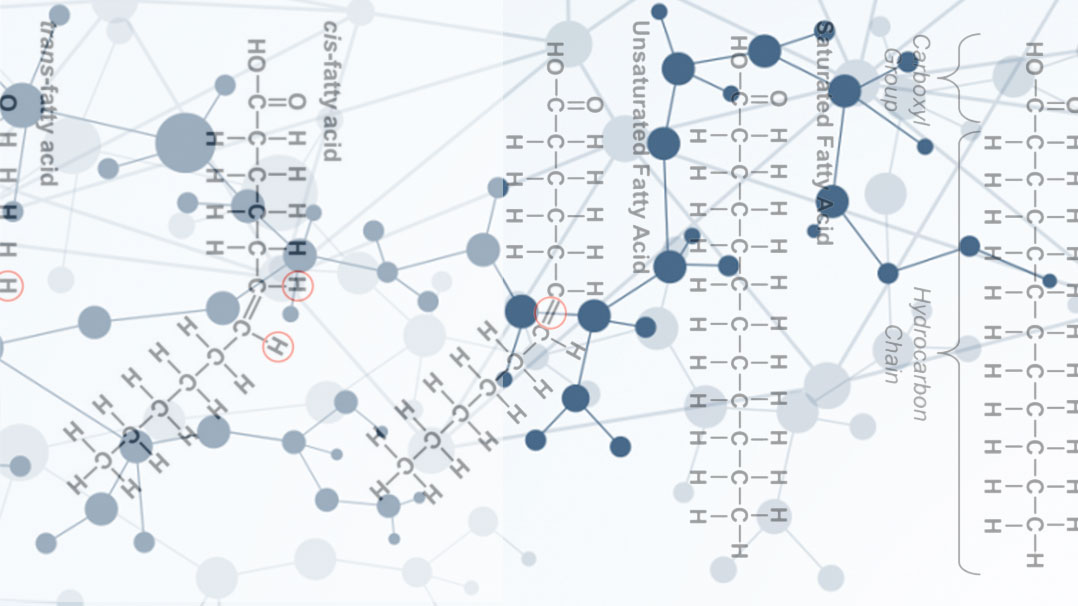
Fatty acids are an important fuel for the generation of cell energy in the form of adenosine triphosphate (ATP). Fatty acid oxidation, also known as beta-oxidation, is the metabolic pathway of fatty acid breakdown for energy production. Fatty acids are the primary source of energy for the heart (i.e., the cardiac muscle) and skeletal muscle during rest or moderate physical activity.

Glycolysis is the metabolic pathway that breaks down the carbohydrate glucose to produce cell energy in the form of ATP. Glycolysis generates ATP directly, as a product of the pathway’s chemical reactions, and indirectly, using energy generated by electrons extracted from the chemical bonds of glucose. In the human body, glucose is the preferred fuel for the vast majority of cells.
Viruses are everywhere cellular life is present, often in unfathomable numbers. They mutate very often, frequently by recombining with other viruses. This means that new viruses are constantly being generated.
As we’ll learn in this article, viruses are very simple, but despite their simplicity, they are very effective and impressive little creatures. We’ll also learn how our immune system rises to the challenge.

The immune system is the collection of cells, tissues, and molecules that work together to recognize the healthy cells that make up the body, and protect us against the unfamiliar or damaged.
The immune system monitors our body continuously searching for certain categories of things that may threaten our health: infectious microbes, viruses, fungi, and parasites (i.e., germs or pathogens); toxic cellular products; and damaged or diseased cells, including senescent or tumor cells.

Right now, there are still many unanswered questions about the new coronavirus and the evolution of COVID-19 is still unpredictable.
At this point, the only thing that is certain to make a difference is prevention.
Here, we’ve compiled some important information about the new coronavirus and the official guidelines to help protect your health and help stop the spread of COVID-19.