Written by

At Qualia Life Sciences, we’re inspired by the body’s innate intelligence - its remarkable ability to cleanse, renew, and restore balance - and our mission is to develop formulas that help optimize these brilliant, natural functions. This is why we created Qualia 2-Day Detox™, a monthly protocol to support the body’s natural detoxification processes.*
Qualia 2-Day Detox™ is four formulas in one and blends the wisdom of naturopathy, the depth of traditional medicine, and the precision of modern science, offering a comprehensive path to revitalizing the body’s cleansing systems. With 10 ingredients for circulatory and lymphatic health, 19 for digestive and liver health, and 3 for deeply restorative sleep, this powerful fusion of botanical extracts, whole botanicals, enzymes, probiotics and more helps lighten the body, restore balance, and awaken vitality.*
Detoxification is one of the body’s most vital housekeeping functions. It is a continuous, natural process that happens all day, every day. The body’s primary detox systems, the circulatory and lymphatic systems, digestive, liver, lungs, skin, and other excretory systems, are always working to neutralize and eliminate metabolic waste, byproducts of natural physiology, and other exposures from our daily environments. For centuries, traditional peoples have turned to herbs and natural remedies to help the body cleanse and maintain balance. From cleansing botanicals to daily liver tonics and restorative teas, supporting the body’s natural detoxification has long been a cornerstone of wellness. Today, as we grow more aware of the challenges of modern living, many people are seeking ways to support and optimize the body’s natural cleansing and renewal processes as part of a holistic approach to health.*
Enter Qualia 2-Day Detox™. This formula provides support for a gentle, whole-body cleansing that unfolds in four phases, each designed to work in harmony with the body’s natural rhythms:*
The morning formula brings together circulatory and lymphatic supports that act as “openers,” helping to awaken healthy fluid movement. The circulatory and lymphatic systems are most responsible for the flow of both nutrients and wastes throughout the body, which is why this protocol starts with priming the body to be able to transport efficiently.*
The mealtime formula focuses on the liver and excretory pathways, our internal “transformers and purifiers,” to nourish the detox organs and encourage the steady movement of wastes out of the body. The liver plays one of the most critical biotransformation roles through what is commonly known as “Phase 1” and “Phase 2” detoxification. During these natural processes, the liver requires extra nutrients and transforms waste into forms that can be excreted more easily. Both the kidneys and digestive system are primary components of the excretory system. The kidneys largely function as filters and fluid balance regulators and send waste to the urinary system to be excreted. The digestive system, through bile flow, the gut microbiota, and fiber-rich foods, also help to transform, bind and eliminate cellular waste via the colon.
A third formula, taken on an empty stomach, serves as an additional “sponge,” binding and carrying away unwanted compounds so they do not recirculate. Taking this on an empty stomach ensures it works more effectively as a sponge, unimpeded by food and other nutrients or substances in the digestive system, to bind to waste products and support their elimination.*
Finally, the bedtime formula supports the body’s nightly renewal cycles, supporting brain cleansing while you sleep. Quality sleep is essential for allowing the body to repair, rebuild, and clear out metabolic waste generated during the day. In fact, modern science has shown that most of the activity of the “glymphatic system,” or the system responsible for using cerebrospinal fluid to “wash” the brain, occurs at night during deep sleep.*
Qualia 2-Day Detox™ is more than just a cleanse - it’s a realignment with your body’s innate wisdom. Rooted in nature and refined by science, this formula helps your body find its flow again so you can feel lighter and live more fully.*
A Few Notable Studies
Don’t just take our word for it. Below are the reported conclusions from scientific journals highlighting some of the Qualia 2-Day Detox ingredients, which will be discussed in more detail below.*
A single dose of 100mg glucosyl-hesperidin (same as CitraPeak®) in humans promoted the recovery of skin blood flow and temperature after cold water exposure indicating support for healthy circulation (Morishita et al., 2020. [1])*
Cocoa flavanols supported healthy circulation in humans (PMID: 25380152)*
A single dose of nattokinase as NSK-SD™ in humans supported healthy blood flow compared to placebo (Watanabe et al., 2018 [2])*
A single dose of 250mg Clovinol® in humans supported acetaldehyde metabolism, healthy glutathione, and antioxidant enzyme levels (PMID: 30234415)*
In humans, a single dose of 800mg Chitosan with a meal supported healthy elimination in the stool of various microplastic compounds compared to placebo (PMID: 40646942)*
Short-term dosing of 100mg PharmaGABA® before bedtime in humans supported falling asleep and increased time spent in deeper sleep (PMCID: PMC6049207)*
A single dose of L-3-Butylphthalide (the primary bioactive in Excelery®) in mice supported the brain’s nightly renewal processes, including the function of the glymphatic (PMID: 33188502)*
Qualia 2-Day Detox Ingredients
μsmin® Plus
μsmin® Plus is a combination of primarily diosmin, a flavonoid that naturally occurs in citrus peels, and other minor citrus flavonoids. In Traditional Chinese Medicine, citrus peel is best known for its warming nature, and its ability to promote healthy circulation and move stagnant qi, or vital energy. In more recent history, diosmin is regularly combined with hesperidin (another citrus flavonoid that we’ve also included in this formula), as they act in combination to support healthy blood circulation and lymphatic flow.*
In human clinical trials, when diosmin is combined with hesperidin, it supports healthy venous tone [3,4]. The best studied combinations use a micronized diosmin, which is processed into extremely small particles (<5 µm) to enhance its bioavailability. Preclinical studies show this combination also supports lymphatic flow and drainage [5,6]. These citrus flavonoids have the unique ability to help the circulatory and lymphatic systems by promoting the health of capillaries and blood vessels [7–9] and supporting their responsiveness [6]. *
Building on the long traditional use of citrus peels in wellness practices, diosmin (when combined with other citrus flavonoids) provides a more refined, contemporary form of these natural flavonoids known to support circulatory and lymphatic health. In this formula we’ve included 570mg of μsmin® Plus to provide 450mg diosmin, the amount recommended by the supplier. This amount of diosmin and its extremely small particle size (<5 µm) is consistent with the forms used in published human studies.*
µsmin® Plus is a registered trademark owned by Giellepi S.p.A., Italy.
CitraPeak®
Hesperidin is another naturally occurring flavonoid in citrus peels. CitraPeak® can be thought of as hesperidin made better. By attaching a natural glucose molecule to hesperidin a more soluble and bioavailable form called glucosyl-hesperidin is created [10].*
Healthy circulation plays an important supportive role in the body’s natural detoxification processes. The liver and kidneys rely on adequate blood flow to filter, metabolize, and prepare compounds for elimination. Efficient circulation helps deliver nutrients and oxygen to tissues and transport metabolic byproducts away from cells. Notably, a single dose of 100mg glucosyl-hesperidin has been shown to support blood flow in humans [1]. In a preclinical study, glucosyl-hesperidin promoted nitric oxide activity which enabled relaxation of blood vessels and maintenance of healthy blood flow [11]. We’ve included 100mg of CitraPeak® in this formula, as clinical research has shown that this amount can support healthy blood flow, while preclinical findings also validate support for nitric oxide production.*
CitraPeak® is a trademark of Prinova.
Horse Chestnut Extract
Horse chestnut seed is derived from a large, flowering tree (Aesculus hippocastanum) that is considered to be primarily native to the Balkans region of Europe. Traditionally, horse chestnut seeds were used to support healthy blood flow. Modern research is beginning to reveal some of the mechanisms through which this occurs.*
Aescin (or escin) is a mixture of triterpenoid saponins and is recognized as some of the primary bioactives in horse chestnut seed. Notably, in a clinical trial, after 3 hours of administration and after 3 weeks of administration, 100mg of aescin helped the capillaries regulate their fluid balance [12,13] - an essential mechanism underpinning healthy blood and lymphatic function. Preclinical studies have also revealed aescin helps the body maintain its responsiveness to noradrenaline to support vein tone [14,15], as well as supports venous and lymphatic flow [14] and overall capillary health [14,16].*
Horse chestnut continues to be widely used in modern herbalism, having been valued for generations for its ability to support healthy blood flow. This formula provides 500mg of horse chestnut seed extract standardized to 20% aescin, delivering 100mg of aescin - the amount most commonly used in clinical research.*
NSK-SD® Nattokinase
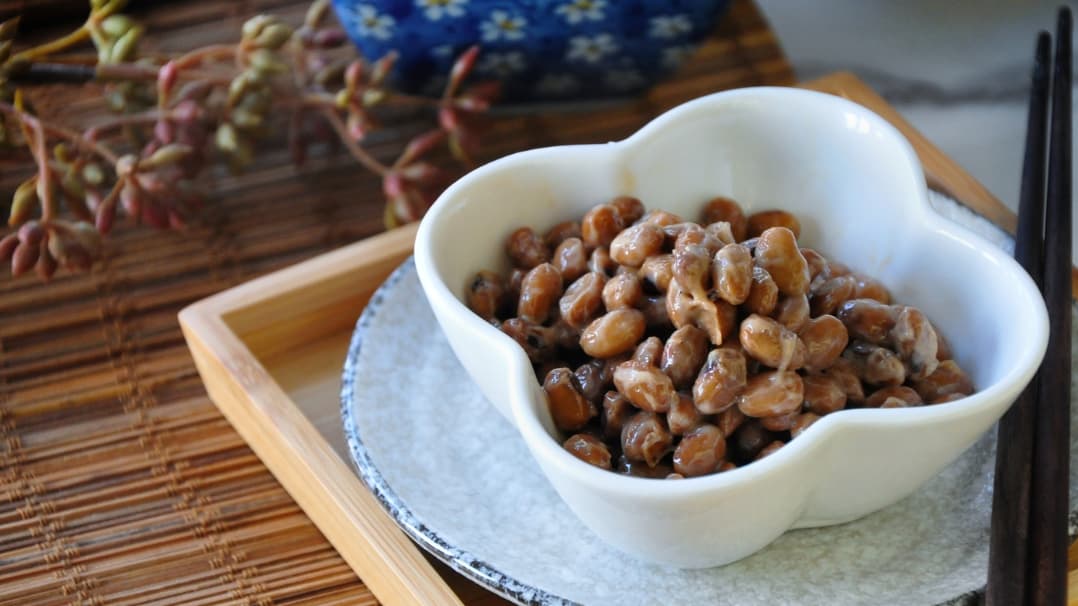
NSK-SD™ is a proprietary, branded form of nattokinase, an enzyme originally discovered in the traditional Japanese fermented soybean food known as natto. It is produced through a specialized fermentation process using a non-GMO strain of Bacillus subtilis var. Natto and non-GMO soybeans.
As a dietary supplement, NSK-SD™ is primarily recognized for its ability to support healthy blood flow and overall cardiovascular function. Numerous preclinical studies demonstrate nattokinase exhibits enzymatic activity that supports circulatory activity [17–19]. It works by promoting the body's natural fibrinolytic activity, which helps maintain healthy circulation and normal blood activity. In fact, two human studies demonstrate that a single dose of NSK-SD™ of 2,000 fibrinolytic units (FU, a measure of its enzymatic strength), supports healthy blood flow [2,20], which is the amount we’ve included in this formula.*
NSK-SD® is a registered trademark of Japan Bio Science Laboratories.
Bromelain
Bromelain is another enzyme that is most commonly derived from the pineapple plant (Ananas comosus). The ancient civilizations of South America used various parts of the pineapple for supporting digestive health, a healthy inflammatory balance and for healing wounds [21]. Bromelain, as one of the active constituents contributing to these effects, was first isolated by a Venezuelan chemist in 1891, but gained more recognition in 1957 as a compound for supporting tissue renewal. It is known as a proteolytic, or protein-digesting enzyme, and is primarily extracted from the stem and fruit. It is often administered alongside nattokinase, as they exhibit complementary mechanisms for supporting healthy circulation. Specifically, bromelain supports a healthy cytokine balance and supports the healthy activity of immune cells and signaling molecules like nitric oxide and cytokines, which in turn helps maintain healthy tissue function and circulation [22]. In this formula, we’ve included a 500mg amount of a high-potency 2,400 gelatin digesting units (GDU) - or measure of enzymatic strength, which is a commonly used amount, especially for supporting healthy cytokine balance.*
Lymphaselect® Melilotus officinalis
Lymphaselect® is an extract of Yellow Sweet Clover (Melilotus officinalis) that is standardized for the vanilla-scented bioactive molecule, called coumarin. Traditionally, Yellow Sweet Clover was used across Europe to support lymphatic flow. Historical European herbal traditions recognized the lymphatic system, which was often referred to as part of the body’s “cleansing” or “drainage” network, as essential for enhancing the body’s eliminative networks and promoting vitality, especially in cases of occasional swelling or stagnation. Modern science now recognizes the lymphatic system to play a central role in maintaining healthy immune system function and healthy balance of fluids in the body, transporting immune cells via lymph fluid, and helping to return excess interstitial fluid to circulation.*
Modern preclinical research demonstrates that coumarin contained in Yellow Sweet Clover supports lymphatic function, a healthy inflammatory response, and the health of vessels and capillaries [23]. In this formula, we’ve included the amount recommended by the supplier - 50mg, which provides a gentle dose of 6mg coumarin that is well within recognized safe intake levels for this compound.*
Lymphaselect® is a trademark of Indena.
Cocoa Bean Extract
The cocoa bean - the source of chocolate - has a long-standing reputation for supporting heart and circulatory health. Cocoa was used extensively as a traditional medicine in Mesoamerican cultures, and was known as a mood-enhancing and energizing vehicle to deliver other herbs. This cocoa seed extract is standardized to a high potency flavanol content (≥29%), which are the primary bioactives known to support healthy vascular tone and circulatory function.*
A human clinical trial demonstrated that even short-term administration of a dose of 80mg flavanols supports healthy vascular tone and function [24]. One of the primary mechanisms is thought to be through the enhancement of nitric oxide production, a molecule that relaxes blood vessels and supports healthy blood flow [25,26]. Cocoa flavanols are also known to help keep more arginine readily available for making nitric oxide [27].
Cocoa flavanols were a natural choice for circulation support in this formula, backed by centuries of traditional use and a strong body of modern research demonstrating their benefits for vascular health. In this formula we’ve included 275mg of Cocoa bean extract, which delivers 80mg of flavanols.*
S7®
S7® is an extract of 7 botanicals - green coffee bean, green tea, turmeric, tart cherry, blueberry, broccoli and kale - that is standardized to 60% polyphenols and 30% catechins. In a clinical study, a single dose of 50mg S7® supported healthy blood nitric oxide levels after 3 hours, with one study suggesting an increase by up to 230% [28]. Enhanced nitric oxide levels are typically associated with healthy vasodilation and blood flow. In this same study, S7® supported healthy levels of reactive oxygen species and the cytokine TNFa after 3 hours, also indicating its support for balanced redox signaling and a healthy inflammatory response - also critical mechanisms for supporting optimal detoxification. Due to nitric oxide’s primary role in supporting healthy circulatory function, we’ve included the clinically studied dose of 50mg in this formula.*
S7® is a registered trademark of VDF FutureCeuticals, Inc.
Organic Cayenne Fruit Powder
Cayenne, a variety of Capsicum annuum pepper, is best known as a hot chili pepper utilized in both modern cuisine and herbalism. As a traditional medicine, it was more commonly used for digestive and circulatory support. Cayenne contains capsaicin, a compound responsible for its heat and many of its functional properties. In fact, preclinical research shows that capsaicin supports healthy blood flow, particularly in the gastrointestinal tract [29]. The main mechanism responsible is thought to be through capsaicin’s interaction with TRPV1 receptors that are expressed on mucus membranes like the gastrointestinal tract and throughout the rest of the body. This interaction causes a cascade of molecular mechanisms which eventually triggers nitric oxide production, vasodilation, and healthy blood flow [30]. In this formula, we’ve included 100mg of an organic moderate-heat cayenne pepper in order to deliver a modest amount of capsaicin.*
Organic Cleavers Herb Powder
Cleavers, or Galium aparine, is a small herbaceous plant with a tendency to sprawl along the ground and is found in moist, shady environments like woodlands across the world. It is known for its clinging properties, hence the name “cleaver” derived from Old English & Dutch, meaning to cleave or cling. Cleavers have a rich history of use in traditional medicine, where they were used to support lymphatic health and natural detoxification processes. Cleavers are widely distributed around the globe and have been used in folk medicine for thousands for years. Extracts from the aboveground parts are highlighted in the British Herbal Pharmacopeia and indicated to support fluid balance in the body [31].*
Despite limited modern research on this herb, cleavers remain widely used in contemporary herbalism, which is why we’ve decided to include it in Qualia 2-Day Detox. This formula contains 125mg of an organic whole cleavers herb powder to complement the other ingredients.*
CaFi™ Cassia Fistula
Cassia fistula, also known as golden shower tree or Aragvadha in Ayurveda, is a traditional medicine that grows primarily in the forests of the Indian subcontinent and regions in Southeast Asia. It thrives in sunny tropical environments and is known for its spectacular clusters of bright yellow flowers that resemble cascading golden showers. For centuries it has been referenced in Ayurvedic texts to support bowel regularity and digestive balance, and it continues to be used that way in contemporary herbalism. In traditional practices, the fruit pulp was prepared as a paste or decoction and used as part of seasonal cleansing rituals. CaFi™ is a clinically studied extract of Cassia fistula fruit pulp. Over a 3-week period, healthy participants found CaFi™ to support healthy regularity and gut comfort as part of a general digestive function [32]. In this formula, we’ve included the dose recommended by the supplier based on their clinical studies, 500mg.*
CaFi® is a registered trademark of Logical Square.
Artichoke Leaf Powder
Artichoke or Cynara cardunculus is a thistle-like vegetable known for its flower buds that are edible before they bloom. You can generally find them at your local grocery store, as they are cultivated worldwide for culinary use. Beyond its culinary value, its leaves have been traditionally used to support digestive health. Its history of use spans back to the Egyptians, Greeks, and Romans [33], where it gained special recognition for its use in liver and digestive complaints. Modern preclinical research demonstrates that artichoke leaf supplementation supports healthy bile flow [34,35]. Cynarin is the predominant compound thought to stimulate bile flow, which was actually first isolated as early as 1840 [36]. It wasn’t until the 1960s that the true chemical nature of this molecule (1,5- dicaffeoylquinic acid) was revealed. For this formula, we included 500mg artichoke leaf powder extract standardized to 5% cynarin.*
Clovinol® Clove Extract
Clove, or Syzygium aromaticum, is best known for its culinary use and for adding warm, sweet and aromatic flavors to dishes and beverages. It is one of the most polyphenol-rich foods known, having an estimated 4-8x higher content than other common spices. In a human clinical trial, a single 250mg dose of the clove extract Clovinol® enhanced acetaldehyde metabolism, which is a waste byproduct of normal metabolic processes [37].*
While acetaldehyde is a specific metabolic intermediate, its clearance reflects the activity of broader liver detoxification enzyme systems. These systems are involved in converting normal metabolic byproducts into more water-soluble compounds that can be further processed and eliminated through normal physiological pathways. Supporting these enzymatic processes helps maintain healthy normal metabolic function during everyday cellular activity. Overall, the clinical research on Clovinol® indicates the polyphenol-rich extract may support the liver’s natural detoxification pathways and provide support to detox enzymes, which is why we’ve included the clinically studied dose in this formula.*
Clovinol® is a registered trademark of Akay Group.
Burdock Root Powder
Burdock root is derived from the large, fleshy taproot of Arctium lappa. This resilient plant grows around the world and thrives in disturbed areas with rich soil. It has traditionally been used in European and Chinese medicine as an “alterative” herb or something that supports natural detoxification processes and digestive health. The root is rich in bioactives and fiber like inulin, which modern preclinical research has demonstrated supports healthy intestinal motility [38]. It has also been shown to support the liver when exposed to stressors [39], especially through its ability to support the liver’s natural antioxidant defenses and detox enzyme activity [39–41]. In this formula, we’ve included 350mg of burdock root powder to complement the other ingredients.*
Organic Beet Root Powder
Beet root, or Beta vulgaris, is an earthy crimson root vegetable that is known for its rich nutritional and antioxidant profile. In traditional Iranian medicine as well as contemporary herbalism, beet root is also used to support natural detoxification processes. Preclinical research shows that beet root is able to support Nrf2 activity - often called the “master switch” for detoxification [42,43]. One of the main mechanisms through which Nrf2 supports detox is through activating a network of antioxidant and protective enzymes that help the liver and cells remove everyday waste. Preclinical research suggests that beet root influences these same Nrf2 related pathways [44–46]. In this formula, we’ve included 350mg of an organic beet root powder to complement the other ingredients.*
Organic Kelp
Laminaria digitata is kelp sourced from Iceland’s pristine coastal waters and is known for being an excellent food source of iodine and diverse mineral spectrum. Seaweeds like kelp have been consumed for centuries particularly in coastal cultures, like East Asia, Northern Europe, and parts of the North Atlantic. In traditional diets, sea vegetables were not only staple foods but known for providing a rich source of nutrition and supporting vitality and resilience. In this formula we’ve included 35mg to provide 80% of the recommended daily intake value of iodine. In addition to iodine’s well-known role of supporting healthy thyroid function, iodine is known to act as an antioxidant by directly scavenging and neutralizing reactive oxygen species [47]. Preliminary findings also suggest that iodine may play a role in the body’s natural mineral balance, including how halides are processed as part of normal physiology [48,49].*
Organic Dandelion Root
Dandelion root is the thick taproot of the common, bright yellow-flowered dandelion plant (Taraxacum officinale) that tends to grow prolifically in disturbed areas like lawns, roadsides, gardens, and fields. Its name comes from the Latin phrase Dens Leonis, the French translation of which is dent de lion, meaning lion’s teeth, describing its tooth-like leaves. Though often considered a common weed, both the root and leaf of dandelion have been highly regarded in numerous traditional medicine systems, including Traditional Chinese Medicine, and Latin American and European herbal medicine. Dandelions have been eaten for centuries due to the rich content of vitamins and minerals in the leaves, and antioxidants in the root [50]. Most commonly, dandelion has been used to support liver health and bile flow. Modern research has also demonstrated that dandelion root supports the “master switch” for detoxification, Nrf2 [51,52]. In this formula, we’ve included 350mg of an organic dandelion root to complement the other ingredients.*
Cran d'Or™ Organic Cranberry
The cranberry fruit, Vaccinium macrocarpon, primarily grows in the northern parts of the United States and Canada where the cool, temperate climate allows them to thrive. Cranberries regularly appeared in the materia medica and practices of eclectic physicians, herbalists, and naturopaths for generations, valued for their nutritive properties and their long-standing role in everyday wellness. Modern research has revealed cranberry is a rich source of polyphenols, including its unique "A-type" proanthocyanidins (PACs) - plant compounds with antioxidant properties. For this formula, we included 200mg of a whole organic cranberry powder, Cran d'Or™ TotalPAC, that also supplies a modest dose of proanthocyanins (standardized to ≥7.2%).*
Cran d'Or™ is a trademark of Artemis.
Pau D'Arco Powder
Pau D’Arco, also known as red lapacho or taheebo, is the inner bark from the canopy tree Tabebuia spp. native to the Amazonian rainforest and other regions of Central and South America. Traditional communities, including the Inca and various Amazonian tribes, prepared the bark as a strong tea to support overall wellness. Later, Spanish and Portuguese explorers documented its traditional applications which contributed to its introduction into North American and European herbal practices in the 19th and 20th centuries. Pau D’Arco is perhaps best known for its applications to support the immune system, a healthy microbial environment, and gastrointestinal health [54]. Preclinical research also reveals that Pau D’Arco is another herbal remedy that supports Nrf2 activity [55]. In this formula we’ve included 150mg of Pau D’Arco powder to complement the other ingredients.*
PurGinger® Organic Ginger Extract
Ginger root, Zingiber officinale, is a popular medicinal herb and culinary spice valued mainly for its warming properties and traditional history of supporting digestive health. It typically grows in tropical and subtropical regions with warm, humid climates, but is distributed globally due to its versatility in both culinary and medicinal contexts. It was one of the earliest spices exported along ancient trade routes and became highly regarded in Ayurvedic, Traditional Chinese, Greek, Arabic medicine, and more. It has a rich history of use spanning thousands of years, with an unusually wide range of traditional applications, including relieving occasional nausea and pain, to supporting respiratory, heart, and sexual health, to helping soothe insect bites and stings. Modern preclinical research has shown that ginger also supports bile flow [56] and Nrf2 activity, a main player in natural detoxification [57,58]. These activities are generally attributed to the presence of gingerols (particularly 6-gingerol). For this formula, we’ve included 200mg of an organic ginger root extract (10:1) that contains at least 2% gingerols.*
PurGinger® is a trademark of AFS.
BroccoPure® Broccoli Seed Extract
BroccoPure® is an extract from broccoli standardized to provide no less than 13% glucoraphanin, a glucosinolate found in cruciferous vegetables that our gut microbiota uses to form sulforaphane and related compounds [59,60]. Short-term human studies demonstrate that both glucoraphanin and sulforaphane support natural detoxification [61,62], primarily through supporting detox enzyme activity [63,64] and a primary detoxification pathway, Nrf2 [65–67]. This process supports the production of glutathione, one of the body’s most important antioxidants for natural detoxification support [68–70].*
Glutathione participates in conjugation reactions that help bind and neutralize unwanted compounds, which helps make them more water soluble so they can be safely processed and naturally eliminated through bile or urine. It also helps protect cells from oxidative stress that is generated during normal metabolic and detoxification processes. In this formula we’ve included 150mg BroccoPure®, which provides around the general recommended intake of glucoraphanin (about 20 mg).*
BroccoPure® is a trademark of CS Health.
SNZ TriBac®
SNZ TriBac® is a clinically studied combination of spore forming probiotics shown to support digestive health, containing Bacillus coagulans SNZ 1969®, Bacillus clausii SNZ 1971®, and Bacillus subtilis SNZ 1972®. Spore forming probiotics are naturally protected by a hardy outer shell that allows them to survive heat, stomach acid, and other harsh conditions until they reach the intestines alive. While probiotics are best known to support general digestive health, emerging research suggests species like B. coagulans, B. subtilis, and even B. amyloliquefaciens may support a healthy physiological response to everyday environmental stressors [71–75]. Because we’re excited about the emerging benefits of spore-forming probiotics for supporting natural detoxification processes, we’ve included the 2 billion colony forming units (CFUs) dose recommended by the supplier in this formula.*
SNZ TriBac® is a trade mark of Sanzyme Biologics Private Limited.
Organic Apple Cider Vinegar Powder
Apple cider vinegar is made through the process of fermenting crushed apples, which first turns their sugars into alcohol through yeast fermentation, then the alcohol is converted into acids with the help of beneficial bacteria. During this second fermentation, several types of organic acids are developed - primarily acetic acid, but also malic, citric, oxalic, fumaric, and more. These organic acids are known to support digestive health [76,77]. From a physiological perspective, they help maintain an appropriately acidic gastric environment, which is essential for activation of enzymes like pepsin and lipase, the stomach’s enzymes to digest protein and fat, respectively. Healthy gastric acidity also supports mineral solubility and absorption, especially for nutrients like iron and calcium. In this formula, we’ve included 300mg of an organic apple cider vinegar that contains no less than 5% organic acids.*
DigeZyme®
DigeZyme® is a clinically studied [78] multienzyme complex containing α-amylase, protease, lipase, cellulase, and lactase. In general, digestive enzymes are known to support healthy digestion and nutrient absorption. Specifically, α-Amylase breaks complex carbohydrates into simpler sugars, which can then be further processed and absorbed in the small intestine. Protease cleaves proteins into peptides and amino acids, the building blocks needed for numerous physiological functions. Lipase breaks dietary fats into fatty acids and glycerol, facilitating their absorption and use in cell membranes, hormone production, and energy metabolism. Lactase supports the breakdown of lactose, the primary sugar in dairy, into glucose and galactose. Cellulase helps break down plant fiber components, supporting more complete digestion of plant-based foods. In this formula, we included 50mg DigeZyme®, the amount administered with each meal in the clinical study, to support the other ingredients in Qualia 2-Day Detox.*
DigeZyme® is a trademark of Sabinsa.
Activated Charcoal
Activated charcoal is a form of carbon that has been specifically processed to create a porous surface with a high capacity for binding substances. This unique structure allows it to adsorb a variety of compounds within the digestive tract, thus it has a long history of use for supporting the body’s natural detoxification processes. Adsorption is a physical process in which molecules adhere to the surface of a material, rather than being absorbed into it. Because of its highly porous structure and electrical charge characteristics, activated charcoal can attract and bind certain compounds within the gastrointestinal tract. This binding occurs locally in the gut and does not involve systemic absorption into the bloodstream. Once adsorbed to the charcoal’s surface, bound compounds are carried through the digestive tract and naturally eliminated. The effectiveness of adsorption depends on factors such as molecular size, chemical structure, and timing of ingestion, which is why activated charcoal is typically taken on an empty stomach. In this formula, we’ve included a 1200mg amount, which we suggest be taken on an empty stomach.*
Chitosan
Chitosan is a natural fiber-like compound derived from chitin, a polysaccharide found in the cell walls of certain organisms. It is traditionally sourced from shells of crustaceans, and for this formula we selected a chitosan with technical characteristics comparable to the form used in a promising human study where a single dose of chitosan interacted with various compounds within the digestive tract, and helped to support their natural elimination [79], which was similarly demonstrated in a short-term preclinical study [80]. A combination of chitosan and chlorophyllin (another ingredient we’ve included in the formula, see below) in humans also supported natural excretion functions [81]. We included an 850mg amount to complement the other ingredients in the formula.*
Sodium Magnesium Chlorophyllin
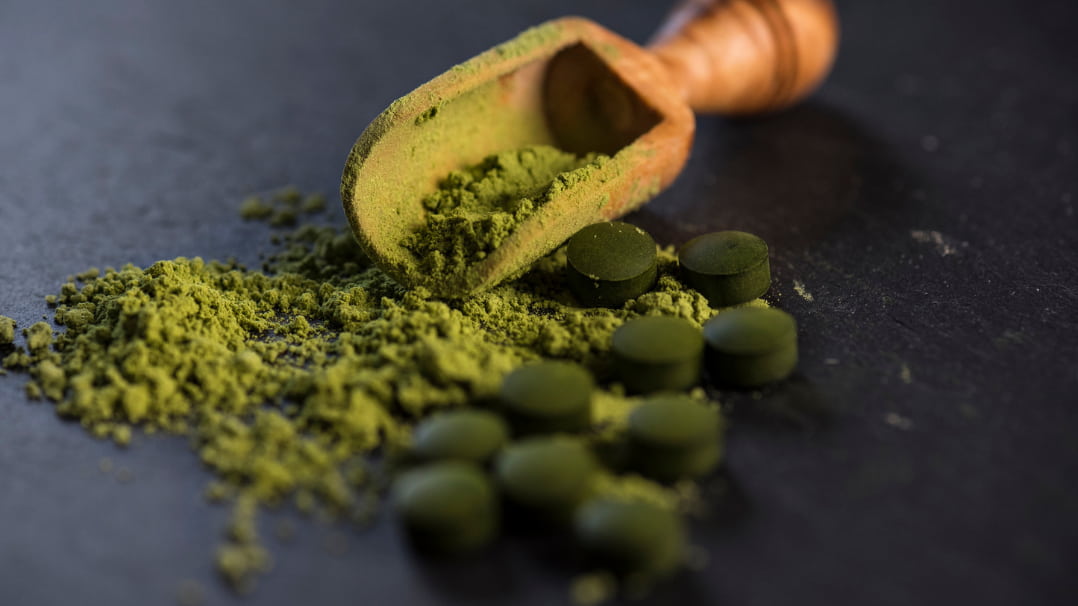
Sodium Magnesium Chlorophyllin is a semi-synthetic derivative of chlorophyll, the green pigment found in plants. It is made by extracting chlorophyll from plant parts, removing the parts that make it hard to dissolve in water, and replacing the core magnesium molecule with a combination of magnesium and sodium salts. This makes it both water soluble and more stable. When combined with chitosan, chlorophyllin supports the excretion of everyday environmental exposures [81]. In another short-term human study, chlorophyllin changed absorption of common exposures and altered how they were processed [82,83]. Due to Chlorophyllin’s ability to support natural detoxification processes, we included a 250mg amount to complement the other ingredients in the formula.*
Humiplex™ Humic & Fulvic Acids
Humic and Fulvic acids are organic compounds that are formed as plant and microbial material break down in soil for over long periods of time. Fulvic acid is a smaller more bioactive fraction while humic acid is a larger more complex molecule. Fulvic acid is known to support activity of the enzymes involved in detoxification [84–86], while humic acid is more recognized for its ability to support natural detoxification processes [87,88]. One of the unique properties of both fulvic and humic acids is their ability to support gut health, where fulvic acids support the gut mucosal lining [86] and humic acids support the gut microbiota [88]. Humiplex™ is a plant based Humic Fulvic Carbon Complex™ that is extracted from diverse sources and contains trace minerals. In this formula we included 200mg Humiplex™, which is a dose recommended by the supplier to support gut health and natural detoxification.*
Organic Chlorella
Chlorella is a freshwater green algae that thrives in environments with nutrient-rich water, and it is known for its naturally high levels of chlorophyll, vitamins, minerals, and phytonutrients. Chlorella is often used in modern wellness protocols because of its rich nutritional profile and its ability to support elimination processes and as an antioxidant. In preclinical studies, chlorella has been shown to support natural detoxification pathways [89] and to support the body’s handling of various compounds, helping to maintain healthy cellular responses to environmental stressors [90–92]. Most notably, research shows chlorella supports the activity of enzymes involved in detoxification [93–95]. In this formula, we included 250mg of an organic (cracked cell wall) chlorella to complement the other ingredients.*
PharmaGABA®
PharmaGABA® is the most clinically studied form of natural gamma-aminobutyric acid (GABA), a neurotransmitter that is best known to help calm down excited neurons in the central nervous system and support feelings of relaxation and restfulness. In fact, a single dose of 100mg PharmaGABA® in humans has been shown to support alpha waves and change beta waves, which is linked to feelings of relaxation [96]. In a short term crossover human study, 100mg PharmaGABA® also enhanced the amount of non-REM sleep and supported falling asleep [97]. Non-REM sleep is also known as deep sleep, and the period most associated with the brain’s natural nightly restoration processes.*
In 2012, neuroscientist Dr. Maiken Nedergaard and colleagues first characterized the brain’s waste clearance network, which they termed the “glymphatic system”, that helps to flush unwanted compounds that accumulate throughout the day as part of normal physiology. This system works by circulating cerebrospinal fluid through a network of channels surrounding the brain’s blood vessels, where it exchanges with the fluid in brain tissue to help move unwanted compounds toward the body’s natural clearance pathways. In fact, in a preclinical study, GABA supported the molecular mechanisms most associated with this nighttime maintenance system [98]. For these reasons, we’ve included the clinically studied amount of 100mg PharmaGABA® in this formula.*
PharmaGABA® is a trademark of Mitsubishi.
Excelery® Celery Seed Extract
Celery seed, from the popular edible vegetable Apium graveolens, has a long history of use in both culinary applications, as well as traditional medicine, primarily to support natural elimination processes and digestive health. Excelery® is a celery seed oil extract standardized to 85% phthalides, with L-3-butylphthalide and sedanolide as the primary bioactive compounds. Interestingly, in a longer term human study, celery seed extract supported feelings of well-being and relaxation [99], and in a preclinical study it was studied for its role in supporting healthy sleep patterns [100], suggesting it has beneficial effects on the nervous system. L-3-butyphthalide in particular has a robust body of preclinical evidence demonstrating its support for brain health, such as by supporting blood brain barrier health, normal blood flow and a healthy neuroinflammatory response [101,102]. In a recent preclinical study, single administration of L-3-butylphthalide also supported the brain’s nightly renewal processes [103]. Due to celery seed and its naturally occurring compounds’ support for brain health and healthy sleep, we’ve included 200mg of Excelery® in the formula, which is comparable to the dosing used in preclinical research to support nightly renewal processes.*
Excelery® is a trademark of MayPro.
PeptiSleep™
PeptiSleep™ is a clinically studied plant peptide derived from brown rice. In their clinical trial, 250mg PeptiSleep™ supported non-REM (deep sleep) activity, total sleep time, daytime mood, and other sleep metrics. Notably, non-REM (deep sleep) is the period most associated with healthy glymphatic functioning. During this deep sleep stage, the brain shifts into a state characterized by slow, synchronized neural activity - called slow wave sleep - which creates the conditions thought to be most favorable for healthy glymphatic clearance. In a separate consumer perception survey from a single dose, it also received a rating of 4.5 out of 5 stars, with almost 3 out of 4 users (out of 700) reporting improved sleep scores. PeptiSleep™ generally supports restorative sleep and helps maintain normal sleep patterns, which is why we’ve included the clinically studied amount of 250mg in this formula.*
PeptiSleep™ is a trademark of Nuritas.
*These statements have not been evaluated by the Food and Drug Administration (FDA). This product is not intended to diagnose, treat, cure, or prevent any disease.