 Written by
If you’ve ever wondered how to keep your body repairing, regenerating, and aging gracefully, this episode is a must-listen. Dan Pardi joins Nick Urban to explore the science behind stem cells and why they are so central to longevity. They dive into stem cell exhaustion, cellular senescence, and the “zombie cells” that drive chronic inflammation, showing how your body’s internal environment can either help you repair tissue—or speed up aging.
Discover practical ways to support stem cell health at every stage of life. Dan shares why foundational habits—reducing inflammation, avoiding cellular damage, and eating a nutrient- and phytonutrient-rich diet—are the most important first steps. He also explores cutting-edge approaches like cellular reprogramming with Yamanaka factors, polypharmacy strategies, and non-invasive therapies including sauna, cold exposure, red light, hyperbaric oxygen, and targeted supplements. Plus, hear how medical stem cell supplements can work alongside supportive products to ensure your body’s repair system is fully optimized.
Tune in to understand how you can take control of your body’s regenerative potential and start making the most of its remarkable ability to heal and rejuvenate.
---
Listen to the podcast here
Stem Cells Supplements & Longevity
Dan, it’s great to have you back here on the show.
Nick, I enjoyed our last show so much. I hope we can think of more things to talk about when this one is done.
Stem Cell Science 101: The Repair Crew Of Your Body
I’m sure we’ll have a never-ending list of topics to discuss. We’re going to be focusing on stem cells specifically. When most people hear stem cells, if they know what they are, it’s likely through the lens of clinics and injections. Tell me about stem cells and stem cell enhancement as a general topic, and then we’ll go into specifics after that. A helpful next step is understanding Stem Cell Therapy vs Supplements, since they work in very different ways—one involves medical procedures, while the other focuses on supporting your body’s own regenerative signaling.
What is stem cell therapy, first of all? It’s based on stem cells, which are cells that are vital to our health over a lifespan. They’re a part of the 37 trillion cells we have. Those cells do not live your entire lifespan. Different tissues have cells that live for different lengths of time. A common and easy one would be red blood cells. You can look at HbA1c, which is hemoglobin A1c. It is a good measurement of what your blood glucose regulation is for a window of time, which is three months, because that is how long they live.
That’s just an example of how those types of cells that are in our body live only a certain amount of time. Other cells can live decades, even longer, like neurons. In general, a lot of our tissues over the course of life need to be replaced once they die. You have cells that can replicate. In the process of replication, there’s a little bit of renewal.
Eventually, they reach what’s called the Hayflick limit, which was something that was identified by Leonard Hayflick, published in 1961, where at that time we thought, “Cells in a culture are immortal. They’ll live forever.” He said, “No, that is not true. They live 40 to 60 generations.” They then end up in something called replicative senescence. Cells will die for other reasons. They’ll go through something called programmed cell death or apoptosis. They can incur damage in other ways. We have the need to replace cells that are either killed or reach the end of their lifespan. The stem cell system of the body replaces our own tissue. They have two main characteristics. They will replicate, and they will make daughter cells.
One of them is a clone of the stem cell. It can now undergo the same process of creating daughter cells. One of them is also another stem cell that can turn into anything. The other cell of that daughter cell process is destined to become some type of specific tissue. It’ll undergo a process of differentiation, differentiating into a neuron, an intestinal cell, a muscle cell, fat tissue, and connective tissue of all sorts. That is an overview of what stem cells are doing in the body.
One of the reasons why it has been of interest for longevity purposes is that stem cell exhaustion is one of the original hallmarks of aging that was identified in that Cell paper from 2013, where they characterize these. A lot of people have misinterpreted them as the causes of aging, but they’re reliable consequences of the aging process that you can look to and say, “This is happening when this entity, this thing, or this organism is getting older, because it doesn’t just happen in humans. It happens in other organisms as well.”
The bigger picture here is how we can keep them healthier or modify stem cell exhaustion in a positive way that then extends health span. Going back to your original question, the way that most people conceive of stem cells is to actually get them injected into your body so that you can help solve some specific issue, usually some joint issue like pain in your low back, your knee, or your ankle, and pain and discomfort. That’s how most people understand them. At least the therapy of stem cells, I’m happy to go into that further if you like.
The Disposable Soma Theory: Why We Age & Why Stem Cells Fail
We will. First, if we go back to what you’re saying, there are a couple of things I want to dive into with you. You mentioned that when a stem cell does its function, it turns into a target tissue type. There’s also a daughter cell, which sounds like that turns into another stem cell. If each stem cell is also creating another stem cell, how do you ever run out of them or have issues with your stem cell pool?
They are some of the longest-lived tissues of the body. They demonstrate a type of immortality, almost like hydra or immortal jellyfish, which are organisms that don’t manifest aging as we know it. Just very quickly, aging is an evolutionary decision for most species, particularly species that undergo sexual reproduction. Two different organisms come together and then make a new generation. Thomas Kirkwood created something called the Disposable Soma Theory of Aging. What evolution cares about is extending the germ line, which is the line of tissue that is able to generate the next generation, not the soma or the body. The goal of evolution is not to keep you alive forever. It’s to keep you alive long enough to reproduce.
In our case, it is also to stay alive long enough to help the next generation as a grandparent because we have a very altricial development. It takes a long time for humans to fully mature. It needs a lot of resources and support. Compare that to a loggerhead turtle, where they’ll have hundreds of babies, hoping that only some survive. The investment is rapid regeneration, lots and lots of babies, and then you hope some of them survive, even though many or most won’t. That is another form of having the germ line replicate. In our case, we put a lot of investment into fewer offspring. Eventually, we run out of time. The aging process for us is a period of decline from our physical peak, but not necessarily a decline in value.
Evolution has prioritized alternative goals. While you’re no longer having the resources put into maintaining the peak physical form that has a purpose for survival and attracting mates, what it does care about is this aggregation of wisdom that you get over decades of lived experience that then can help with the younger generations in terms of helping them navigate the terrain of life, culture, and tribe. We have a shifting of purpose as we get older. We do need to maintain that physical body as much as we can, although it won’t be the same emphasis on peaking out our physical capabilities. That is probably a longer answer than you need.
Cellular Rejuvenation: The Difference Between Max Lifespan & Health Span
You also mentioned cellular rejuvenation. How is that related to stem cells, if at all?
Let’s say we didn’t have stem cells, then when our cells died, we would have an ever-decaying out of the 37 trillion cells that comprise this organism that we call Dan. Decade by decade, we would have fewer and fewer of those cells. The regeneration is replacing those older tissues with new functional tissues so that we can make it across our organismal lifespan. There’s a lot of different lifespans happening within the body by cell type, but overall, they’re contributing to the organismal lifespan. The average is around 80 years in certain developed countries. The top 30 countries all have an average lifespan that’s within a couple of years.
The maximal human lifespan is estimated to be 125 years, meaning that even under perfect conditions, we think that people will not live longer than that. The questions that are interesting for geroscience are twofold. What are the factors that might be able to extend maximal human lifespan beyond these upper-bound limits? What’s much more interesting is how we improve healthspan so that we are thwarting the decay of the physical form deeper into the lifespan so that we actually have more youthful function in our 70s, 80s, maybe even 90s and 100s if we are able to target things that are driving the senescence. We think of senescence as cellular senescence, but organismal senescence is the decay in function that our body is able to display.
You have the stem cells. Over time, those stem cells eventually start to lose some of their potency, and then you have the senescent stem cells. Is that the reason? Otherwise, it seems that if the stem cells are replacing themselves one-to-one, you would never have to worry about this because the stem cells would be replicating enough that you have the same pool as when you were born.
It’s a little bit different. Once a cell differentiates into its tissue type, it can undergo replication. Let’s say a full muscle cell. It can replicate. It will eventually get to a place where it’ll undergo programmed cell death, apoptosis. That’s most cells by far. If it gets all the way to the end of life and its replication possibility, and it can then go into replicated senescence, it will become senescent. That is a whole different type.
We call them zombie cells. The reason we call them that is that they’re partially alive and partially dead. They’re releasing a lot of inflammatory molecules into their surrounding that have some functional purpose of helping with wound healing, but also to trigger as a beacon to tell the immune system, “Come clear me out.” The problem with an increasing burden of senescent cells is that your immune system is less effective as you get older.
 We undergo thymic involution. The thymus gland is where we produce our adaptive immunity. There are B cells and T cells. As that over time degrades, then our immune system becomes less potent at being able to do its immune system jobs, fighting infection, but also handling internal cleanup. That’s another thing that it does. When you’re young, you’re making senescent cells, and you’re clearing them. The net burden is zero.
By the time you get into your 30s, you start to see an increase in the amount of senescent cells that are occurring because there’s more damage. Damage ultimately is what drives the senescent mechanisms within a cell. A cell does not want to stay alive when it’s sick. That’s why we have these built-in programs that help it die and, in this case, become a zombie. The other part of the analogy of the zombie is that when they get into this senescent state, they’re releasing a lot of inflammatory molecules.
They’re not contributing to the function of tissue. That’s why they’re partially alive and partially dead. They’re also inducing what’s called bystander senescence. Because of the inflammatory cascade leaving those cells, the tissue-degrading enzymes that leave these senescent cells, and there are a lot of them, are also causing their neighboring cells to become senescent. How does this relate to stem cells? We don’t actually lose a lot of stem cells as we age.
We do lose some. There is stem cell exhaustion because the inflammatory burden in the body rises, and the stem cells can’t hear their signals to undergo the healthy stem cell cycle of leaving their niche and then becoming different target tissues. That’s what’s going on. Irina Conboy at Berkeley has shown through parabiosis studies where they sew an old mouse to a young mouse, which is very gory. What they find is that the process makes the younger mouse older, but the older mouse younger.
Because there’s an exchange of these fluids, there’s almost like a clearing out of the inflammation. As a result, all of a sudden, the older mouse starts to regenerate tissue at what would be considered a younger level, at the same rate that they were when they were younger. That’s why our stem cells don’t perform well with age. They can’t. They retain the capacity. We have to try to shift the internal environment so that they have a better chance of doing their job.
The Root Of Stem Cell Exhaustion
It does seem like inflammation is the root of a lot of disease. If you were to do routine blood work and measure inflammation levels, there are a bunch of ways of doing it. If you saw high inflammation there, would that indicate that you might be a good candidate to help or use therapies to remove or reduce the burden of those senescent zombie cells?
It’s challenging because it is a very dynamic situation. You’re going to be generating inflammation in response to pathogens, in response to hard workouts, and in response to poor sleep. There are a lot of acute variables that are going to cause an acute phase response or a temporary, transient elevation in immune molecules. I could imagine in the future, let’s say, there was an implantable device, or almost like a CGM, that was measuring more things than blood glucose. Could you actually see what your actual day-by-day variable for various inflammation markers is to get rid of the noise? Think of it like a BMI measurement with a bioimpedance scale.
Any one day might not be super accurate, but if you measure for a month, day by day, you get a pretty good average that’s accurate. It would be like that. That’s a little bit of a future pontification. What might this look like in the future? It’s not here now. Generally, you can see if you have high levels of C-reactive protein or tumor necrosis factor, IL-6, and other cytokines regularly. Whatever is driving it, you’re dealing with a higher level of inflammation. That is going to accelerate. A lot of our biological age measurements are very sensitive to inflammation. When we see a reversal of biological age, what we’re seeing is a lower level of inflammation and how those epigenetic marks reflect that. That’s another subject.
In those cases where you see inflammation that’s a bit higher, that’s going to be a good target to engage in to work on before you start using the stem cell therapies and other forms of rejuvenative medicines. If you had high levels of inflammation and you did have an underlying subclinical infection, or say it was even because you were exercising very hard and not recovering enough, that you were under-recovered, is it possible that using one of those therapies could actually backfire and make the situation worse? If you have that infection, your body is mounting this inflammatory response as a mechanism to stimulate healing, and then you’re stripping that inflammation away.
Inflammation has an important role in the body. We’re so quick to label things as bad or good when the badness of it is when it is out of balance. If you think of inflammation as another mechanism through which the body communicates messages that are important, think of a rise in low-grade chronic inflammation, similar to a person who has lost acuity in hearing. What you need to do is raise your voice to get the same message across to the heart of hearing. The body is raising inflammation to maintain the signaling of what inflammation is typically doing. As a result, living in that state is a reaction from the body to try to do something good. It does interfere. It creates a lot more static on the line.
With all of this intercellular tissue communication, organismal communication, all of the things, and all the ways that this is communicated locally and systemically, it has a harder time doing its job and hearing the signals. To answer your question, sometimes, suppressing inflammation right after an injury, you are not allowing for the immune system to do its job, which is to clear debris. You want that. For a lot of damaged tissue, the body does not try to fix it. It clears and replaces it. You want to allow that process to happen. There may be some situations. Let’s say you do have higher levels of inflammation through the normal aging process. Part of the way that our product works is to try to lower that inflammation temporarily to give.
Which product is this, the Stem Cell?
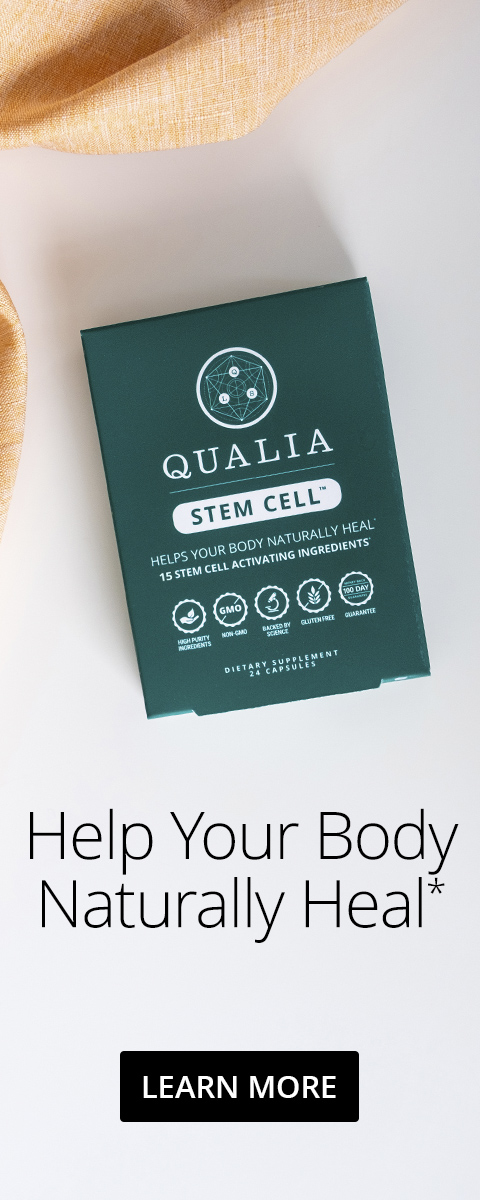
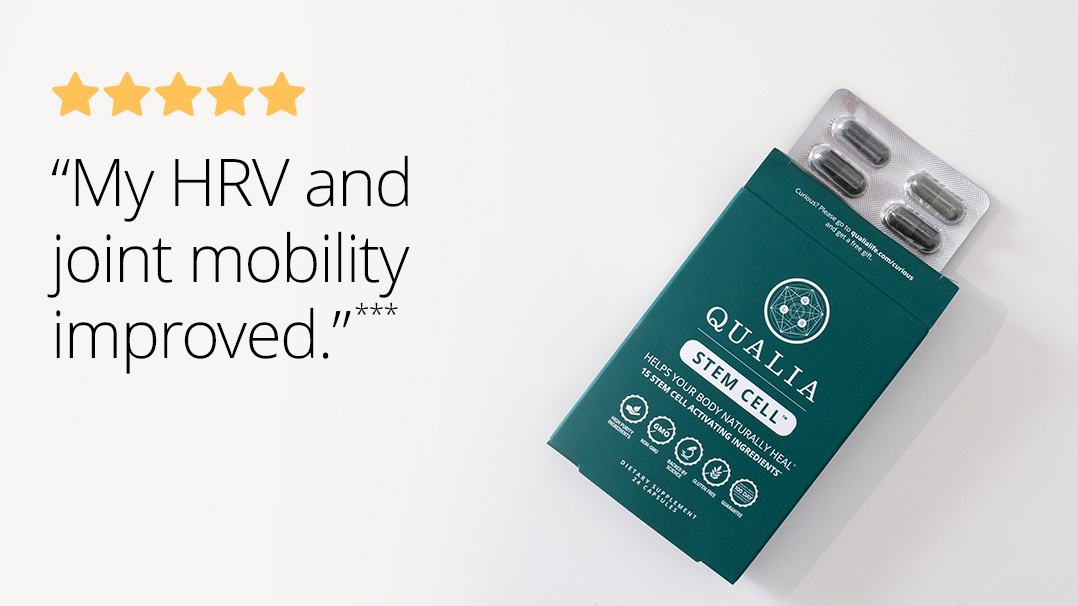
This is our new Stem Cell product. That’s one of the targets of the fifteen different ingredients that we have. That is trying to limit the inflammation temporarily so that you facilitate short-term augmentation of the regeneration process.
Stem Cell Activation: The Natural Regeneration Cycle
What would you say are the most promising non-invasive ways of improving the body’s stem cell pool utilization, activation, or whatever you want to call it, the ability to get therapeutic benefits out of the stem cells?
To answer this well, it would make sense to talk about what the normal life cycle of a stem cell is, because then that’ll help create a framework for people to understand the different areas in which you could possibly intervene or try to. If you think about a stem cell, you mentioned the word potency. I’ll get back to that. We have these stem cell pools in the body. You can have intestinal stem cells, mesenchymal stem cells, hematopoietic, and neural stem cells.
There are all different types of stem cells that are in the body designed to replace tissues in that area, or sometimes even systemically. For example, hematopoietic stem cells are in bone marrow. They leave the bone marrow and then will circulate. They differentiate into different types of blood cells. Let me talk about that. They reside in their niche. Most of the time, stem cells need to be sleeping. They’re in this quiescent state.
That’s important for them. If you increase the demand for regeneration dramatically or you have a product that is trying to pump out stem cells all the time, oddly enough, you will create stem cell exhaustion faster because you’re overworking that system. You want to let them stay in their quiescent state. That's an important part of stem cell health. When a stem cell is then activated, it’ll undergo this interesting process, which tends to predominate at night.
That’s when we do a lot of regeneration. What happens is that the stem cells receive certain signals that will loosen them from their niche. Think of a stem cell in bed. It’s like a little kid that’s in bed. Its mom comes and wakes it up. It says, “Time to get up and do your job.” It’ll wake it up. That is called activation. Once it gets up, it’ll usually undergo a proliferation process. This is where the stem cell is making daughter cells.
Some of those stem cells will stay right there in the niche and go back to sleep. The other ones then will leave the niche. They’ll undergo a mobilization process to get to start circulating. There’s this beautiful dance of chemicals where the receptors that are expressed on stem cells, like CXCR4, are looking for these homing beacons. Think of it like a nose on a cell that is trying to sniff out where the cookies on the shelf are.
You can smell them. It’s got to go find them because they’re not wandering aimlessly. They need to find the cookies. Once they’re in circulation, there are these other immune molecules like L-selectin that help them find where they need to go so that they don’t just drive past the exit. They start to adhere to the vessels proximal to the site of injury. They will get into the tissue. At which point, they will start to undergo the differentiation process.
They have receptors on their cells. They are looking for cytokines, signals from the extracellular matrix, and things like that that activate stem cells. These have funny names, like Sonic Hedgehog, Hippo, Wnt, and Beta-Catenin. There are only seven or ten of them. There are multiple subclasses of those. These are 1.2 million to 700 million years old. What’s important to know is that when humans evolved onto Earth, and it depends on which version of Homo you want to say, it’s not like we reinvented the wheel.
We were building on top of a lot of the biological development that had happened previously. We didn’t start to generate our own cells. Our cells are very similar to the cells of other organisms that have the same eukaryotic frame. These old signaling pathways will then bind to the surface receptors of these stem cells. That will initiate this intracellular cascade. It ultimately results in the activation of certain transcription factors, which play an important role. A transcription factor is a message that goes to the genome and says, “Let’s make these proteins, but not these.”
Why would you want to make certain proteins?
It is because all of our cells have all of our genes, but you don’t want to be making all of the proteins that each of those genes can make all the time. You want them to make very specific proteins that then create a specific kind of cell. You want it to make a muscle cell and nothing else. Those transcription factors are activated by those ancient pathways that then give them a specific signal. It starts to differentiate.
It starts to turn through multiple stages, a progenitor cell into its ultimate final form, locking in what we call cell fate. The dance that happens is beautiful. The transcription factors not only turn on the right proteins, but they’re simultaneously turning off, preventing the wrong ones from being made. As it takes that step-down process, it’s almost like a ratchet. It only goes one direction. The cell fate starts to get locked in through changes to the epigenetics of that particular cell, so that it becomes something very specific.
You do not want stem cells that left their niche and arrived in a muscle to make a neuron or an endothelial cell. It won’t be functional in that space. You want it to make a muscle cell. That process is happening throughout the body. I think of it like a lump of clay. To go back to this idea of potency, this is a little bit more technical, but potency determines what type of tissues that type of cell can become. A totipotent or pluripotent stem cell can become just about anything in the body. An embryonic stem cell can turn into any cell type that you need.
That’s why those are considered to be the most valuable potency of stem cells.
That’s right. They’re most prized for that reason. They also suffer from less immunologic restriction. You can use them from a donor versus yourself, and you will have an easier time having the implant and be successful without creating an autoimmune issue.
The Risks Of Reprogramming
Is there any drawback to them?
Of the pluripotent stem cells?
Yes.
The research field is pretty interesting in that what we’re trying to do now, overall, the goals are to take any type of tissue, even any type of cell, even just a surface skin cell, and reverse it into becoming a pluripotent stem cell that then could become anything. It would be your cell. You could take a hair, buccal swab, or skin. It is fascinating. The idea that that could even be possible was first identified by Shinya Yamanaka. We now call them Yamanaka factors. These are transcription factors. There are four of them.
If you put them in a Petri dish with some differentiated cells, cells that have become something specific, they can be reverted to a place where they can now be molded into something different and new. A good analogy is when we’re thinking about clay. When it’s wet and malleable, you can make it into a bowl, a plate, or a cup. Once it hardens, you can’t reshape it into something. Its fate has been determined. It’s going to be that, or it’s going to be broken. Imagine what these Yamanaka factors would do to the clay if we’re going to stick with that analogy. You could take a hardened plate and reverse it back into a lump of clay that now could be made into a cup or a bowl.
When I looked at the Yamanaka factors a while back, I loved the idea of it. The actual factors, the chemicals themselves, are not like they’re vitamin C and things that are totally safe and very therapeutic. They seem to be more experimental chemicals.
What's funny about them is that the number of pluripotent stem cells that were generated from that experiment was less than 0.01%. It was a tiny amount, but it demonstrated the possibility. What very sophisticated research is now trying to do is to try to manipulate the understanding that this is possible and to then get to a place where it’s ultimately commercialized. A good example of that is Altos Labs. Have you heard of them? They are a company that’s dedicated to reprogramming and regeneration.
That reprogramming is what we’re talking about here. If you took a program and you made it into a certain software package, you’re going to dial that back and make it into something different. They’re focused on harnessing the ability to possibly reprogram and restore health and resilience. There is an idea that some models have shown. Imagine this. You’ve aged to age 60, and then you undergo this reprogramming. It’s like you’re 40 years old again.
The problem with that is that you certainly can generate cancer in that process. The way that all of this is orchestrated in the body is so complex. If you dial them back, but some of them lose their identity and their developmental path, then they don't know what they are. That gives rise to the possibility of generating cancer. It’s a problem that needs to be solved by these companies that are looking to manipulate our physiology in a way to do something that is very unnatural, but also not evolutionarily novel.
We do see axolotls, other types of salamanders, and other creatures. They do this, and they’re being studied in the process. For example, if an axolotl loses its hand, it’ll create this bud first around where it lost its limb. It’ll start to undergo this de-differentiation process for those cells in that area. They’re dialing them back, like taking the plate and making it clay again. It’s back onto its developmental path and makes the exact tissue type that it needs for the bone to form into the exact digit shape and the skin.
Altos Labs & The Future Of Longevity: Combination Therapy
It’s amazing that it can do that. An axolotl can even have part of its central nervous system destroyed, and it can regenerate it. We see this stuff in nature. What’s so interesting about Altos Labs is that in 2022, they raised $3 billion in their first round of funding from people like Jeff Bezos and others. They brought in these pioneers. They brought in Shinya Yamanaka. They brought in Juan Carlos Izpisua Belmonte.
These are people who have made enormous contributions research-wise to understanding how all this works. They’re now dedicated to seeing, “Can we come up with a reprogramming rejuvenation package that will enable people to maybe dial back their age or even preserve it? What if the net result of that was not making you younger, but making you age three months out of every year?” Maybe they could do that. It’ll always be a combination.
When we go back to the hallmarks of aging, there were seven of them at first. They came out with three more ten years later. There’ll be more certainly that are identified. What that means is that it’s very unlikely we’re going to have one pill that’s going to solve everything. Polypharmacy is probably going to be the likelihood of the future, where you actually have some of these processes temporarily separated. You’re doing one thing first, you wait, and then you do another thing. You’re on this protocol that, overall, is keeping you healthier longer. It will undoubtedly be multiple different targeted therapies that are doing different things. That’s the future.
The Aging Hierarchy: Lifestyle And Damage Control Before Supplements
To step back from the future into the present a little bit, if you were to stack rank, how do you go about implementing this into your routine? I’m just imagining, first of all, as you already mentioned, reducing unnecessary inflammation. If there’s a bad diet, excess alcohol consumption, and stuff like that, these things are going to be adding burden to the body. A good place to start is to reduce that.
It is the basic tenets of healthy living, essentially, but then it’s also avoiding damage in the first place. Beyond that, even injuries that occur via sports or from daily living, those things are going to put more burden on the body to use stem cells to replace the damaged tissues. Starting with those seems like a good place to begin. After that, what is the next link in the hierarchy of importance?
This is such an important point. Essentially, when we are living out of sync with the biological expectations of our body for the environment, that was shaped by evolution over many years, as we introduce novelty into our pattern of living that we describe as modern living, in all sorts of forms, environmental toxicity, diets that don’t offer an adequate amount of micronutrients and have altered macronutrient profiles and low amounts of phytonutrients, and all of those things, plus poor sleep and lack of physical activity, I’m sometimes surprised that we do as well as we do, given that we live.
All of those serve as another independent contributor to accelerate biological aging because we generate more proximally, like an increase in chronic inflammation, when we’re not eating right, sleeping right, moving right, getting the right sun exposure, or getting too much exposure. All of those things will cause an acceleration of how fast we age. What that does is it’s going to make the inflammatory burden higher by age, and that is then going to shut down other processes for generation.
You’re aging quickly. It cannot be the microbiome. The gut microbiome is enormously important for our health. If we’re eating in a way that’s not taking care of our enterocytes, or the cellular lining for the single cell lining that lines our intestinal system, then you’re going to allow more molecules to get through into the body, which then can drive inflammation. That’s another factor. I know it can feel overwhelming, but the fact of the matter, all these things do contribute significantly.
You always want to be trying to do as well as you can. Keep learning. Keep trying and do your best. As I said, it can be overwhelming, but don’t let that feeling get in the way of the fact that when you tune in to shows like Nick’s, and you learn something valuable, you can make meaningful changes in your life that you now have the opportunity to exploit for the rest of your life. You learn more about sleep, and now you're sleeping better.
You’re engaging in the factors that help these natural sleep processes occur better, which leads to feeling better sleep, more restored. All of those things matter. We have a lifetime to benefit from learned knowledge, which to me is exciting. It’s like, “What am I going to learn tomorrow?” I learn new stuff all the time. It’ll always feel overwhelming. It’ll always feel maybe a little frustrating. Let it feel exciting. There are more opportunities to take care of yourself better. Kudos to the people who are reading now. You’re ahead of the game.
Fascinating Molecules & Ingredients To Boost Stem Cells
First of all, the foundational nutrients, if you have replete levels of those, you’re going to do better when it comes to stem cells. I’m not even sure through the mechanisms, but they tend to make everything in the body work more effectively, especially the vitamins and minerals. You mentioned phytonutrients. Those across the spectrum, it seems like those are good places to start because they’re also a lot easier fixes to implement, whether it’s adding supplementation or choosing a little higher quality foods. After handling the very basics like that, are there any fascinating molecules or ingredients that you think have a lot of promise in helping the body’s stem cells either work more effectively or increase in number?
Aside from doing all the things that we know to be healthy, both the foundational things like diet, exercise, and sleep, and the new techniques that are exciting in the last couple of years, things like sauna, cold exposure, red and infrared light, or photobiomodulation, hyperbaric oxygen, and things that have a little more technical sophistication to them that are adding another layer of value, will also contribute independently to your stem cells and in various and interesting ways. Supplements are another thing that certainly can contribute here.
The broader argument is that even if we’re eating a good diet, there’s a relatively low diversity in our diet. What do we eat if we’re eating a plant-rich diet? We’re eating cucumbers, carrots, celery, leaves, tomatoes, and eggplants. It’s a limited set. There are 80,000 edible plants that are in nature. Hunter-gatherer estimates would show that they could take in 700 different plant types in a year, and on average, at least in one sample, 20 to 30 different types in a day. Those would change seasonally. What confounds the conversation is that they’re not essential like micronutrients and minerals.
We consider them essential if we need to eat them in order to get them. What ends up happening is that there is this huge pharmacopoeia in plants, mostly, that has some redundancy. You might see that one compound has an effect. The effect will be partially supported by another compound. It’s almost like the overall benefit from these is spread across the masses. It makes it harder to pin down essentiality. It doesn’t mean that it’s not important. If you look at a very low phytonutrient diet compared to one that is relatively high, you see a twenty-year lifespan difference. It’s big.
One of the reasons I wanted to work in the supplemental space is because of the bigger picture, which sounds boring, but you’re adding diversity to the amount of plant compounds that you’re exposed to. The way that the supplement business works is that you find ones that have research on a particular goal, like things that might improve various domains of cognition, or, in this case, in another product that we make, things that might target senescent cells and cause those senescent cells to die. If our immune system isn’t clearing them, we know that plant-like flavonoids and other types of molecules could actually clear those senescent cells. That’s cool.
In this case, we ended up creating a stem cell product. It’s quite different than how you typically think of medical stem cell therapy. The typical way to think about that is you get your own stem cells extracted from your body. Typically, we work with metapoietic stem cells. They will be extracted right at the iliac crest, which is a bone area close to the surface. You aspirate through this little surgery. You do a little bone biopsy. You’ll take out the stem cells, concentrate them, and then inject them back into an area of need. That is most typically how the medical stem cell therapy works.
Although there has been some thinking about injecting them IV, which is very interesting and promising, we definitely need more work there. It scares me that people are going to be doing this before they should, which is already happening. We’re over-focused on the potential benefits, but not on the risks. New therapies can hide in the gray zone when we don’t know all of the effects. We can focus on the benefits without fully understanding the risks. That’s a tension that we have to face.
There was a Senate Bill 1768 passed in July 2025. It’s a law that allows licensed physicians, so MDs and DOs, to offer certain stem cell treatments that are not approved by the FDA. There’s a restriction. They can only use them in orthopedics, wound care, and pain management. The cells have to come from an FDA-registered facility, which means they must meet strict standards. The patients also must be given informed consent so that they’re acknowledging, “I’m taking some risk here,” and very clear disclaimers about what’s known and not known.
It’s exciting. It’s happening in Florida. It’s going to make Florida a destination for medical tourism in the United States. What was happening previously was that people were going down to Costa Rica or Mexico. They were getting their stem cell therapies by leaving the country that had looser restrictions. Now, at least for certain things, you can go to Florida and get some of those therapies. For whatever reason, Florida has been a hub for stem cells. They’ve been pushing the boundaries for a long time.
Medical Vs. Supplemental Stem Cell Therapy: How To Choose
If we take that, compare, and contrast getting the medical procedures versus using things that support the body’s own stem cell activity, there is going to be a big difference in cost, cleanliness, sterility of the medical product that you get, different types, different administrations, and lots of different things there. What would you say if someone were deciding between the two, how to go about choosing one or the other?
I’m so glad you asked that question. Let’s say I were to get stem cell treatment, and I’m considering it because I have some damaged Achilles. I’m going to take a second and explain that. I injured my ankles playing basketball in my twenties and even in high school. It was a ten-year process of once you stretch a ligament, you’re more likely to continue to turn it over, each time causing a lot of inflammation and swelling. Thirty years later, that has led to this chronic inflammation.
It’s always an issue. Because I had that damage early in my life, it led to me tearing both Achilles tendons partially. I also now hobble around. That part of my body is older than the other parts of my body. I might get some stem cell therapy. If anyone were to get stem cell therapy medically, I would 100% consider taking our product because our product is all about promoting stem cell health. By the way, I like my orthopedist. He’s like, “Yes, it’s effective. It’s $4,000 an ankle.”
It’s expensive. You might spend more elsewhere, too. He’s like, “You’re going to have some serious relief for 3 to 5 years.” It’s also not permanent, but if it can get you back into doing healthy things, maybe you would have even a longer period of benefit. During that time, the way that I would do it is I would take our Stem Cell product. I would start day one because it’s a four-day product. For our Senolytic product, you take it for two days, then you wait a month. You do it again. This is similar to that in that you do it for four days in a row, and then you wait another month.
There are fifteen different ingredients. All of those ingredients are targeting the activation and proliferation process, the mobilization migration process, and the differentiation and protection process. It’s trying to support stem cell health at all the different parts of it, doing its job. I take it at night because that’s when a lot of our regeneration occurs. If you think about it, growth hormone stimulates the release of stem cells.
Melatonin is an antioxidant. It helps to lower the inflammation burden and the oxidation burden because oxidation and inflammation work hand in hand. You have a lower sympathetic tone. You are parasympathetic dominant. All of the internal conditions are in favor of regeneration. Taking this product at night, theoretically, is going to help support that process even further. I’ll give you an example. One of the ingredients that we have is called AFAninPlus. It’s the form of blue-green algae from the Klamath Lake. It’s a cool backstory.
It’s doing a couple of things. You will see a 25% increase in stem cells above the regular baseline within an hour of taking it. It’s a modest but meaningful increase in stem cells. That’s one example. Sea buckthorn is another ingredient in the formulation. It is doing something very similar. It is helping to mobilize, activate, and then proliferate, but only certain stem cell types, where AFAnin Plus, which is this blue-green algae, does it to all the stem cells in the body. The sea buckthorn is rich in polyphenols.
What you see is that certain cell lines, like intestinal stem cells, mesenchymal stem cells, another pool for connective tissue, and certain tissues are activated. The way that it works is mostly through an increase in nitric oxide for that particular ingredient. It’s increasing nitric oxide, which is important for releasing it. It’s also helping to lower the inflammatory burden through the antioxidant effects of that compound. It’s hard to get an understanding of the elephant by talking about all the ingredients because then it just ends up being like, “I don't understand.”
I wanted to highlight an example of two. We could talk about other ones if you want. The overall goal then is to help the process. The way that I think of it, if you’re getting older and you go back to the hearing analogy, we are temporarily in a way raising our voice to signal to these stem cells, “Do your job,” and helping them over a four-day period do their work. We wouldn’t want to be stimulating them constantly. That could drive stem cell exhaustion.
Doing it in four days does make sense. The way that I do it, which these products could be considered one in a way, is I do the Senolytic product for two days in a row on the first weekend of every month. During that time, I have a low-protein dinner the night before, fast in the morning when I take it, and do 15 to 20 minutes of high-intensity training. All of those things are shaping the internal conditions to let the supplement, high doses of flavonoids and other phytonutrients, kill off those senescent cells. You probably will see an increase in inflammation for a few days because you’re killing those cells.
Why a low-protein diet in conjunction with that?
It is because protein stimulates mTOR, the mechanistic target of rapamycin. MTOR is going to help make those senescent cells more resilient. We don’t want to give them a lifeline when we’re trying to get rid of them.
If you’re going to do an extended fast or something where you’re going to keep mTOR lower and AMPK higher, would that be a good time to take the Senolytic as well?
Ultimately, for the health span model, the idea is that you’re going to take the Senolytic twelve times in a year, and you’re going to take the Stem Cell twelve times in a year, once a month. One is two days. One is four days. It’s hard to time everything. That’s why I just put it in my calendar. I’ve been doing a Senolytic protocol since 2017, where I invited friends to a calendar invite. I was doing high-dose facet according to James Kirkland’s protocol that he did at the Mayo Clinic, which showed improvements in vascular health and joint pain.
He joined Cedars-Sinai and is starting a longevity lab where they’re going to start to test novel, cool combinations. As I said, ultimately, the future is combination therapy. I do that, wait a couple of days, let the inflammation die down, then you take Stem Cells. In that period, I’m eating well. I’m not trying to fast. I’m eating a lot of protein. You’re fueling regeneration. I’m doing a lot more zone two. I’m not trying to create more damage because I’m trying to build. I’m doing a lot of blood flow. I’m doing hill climbing, rucksacking, walking, and some light jogging. I’m not doing super heavyweight training.
Optimizing Your Protocol: Fasting, mTOR, And Low Protein For Senolytics
I’m glad you brought that up. I was going to mention two of those things. Those are important to underscore. First of all, if you’re doing any kind of stem cell procedure, follow that basic template of where you’re letting the body clear out senescent cells to begin with, via the lifestyle you mentioned, the low protein, in conjunction with fasting and some light movement.
It is also not putting your body under intense strain, such as with heavy weight training when you’re using the stem cells, because your body is trying to rebuild and repair. Whether you’re doing the supplements or you’re using the medical stem cells, you can take a couple of days off from the heavy lifting. The stem cells are used in areas that are more important to the overall regeneration of the body, versus just helping the muscles repair faster.
Sometimes, we want to do all the things all the time, sequencing them. If we’re going to invest our resources in doing this stuff, how do we do it right? How do we get the most out of it? The other thing, too, I don’t take Qualia NAD, which is a product I love, because we talked about last time. I don’t take that during the Senolytic. That’s another thing that’s going to actually help give a lifeline to these cells that we want to clear. Greg, on our team, who’s the Head of Product, does double the dose of NAD during his Stem Cell window.
I’ve not done that one yet. Don’t give them the lifeline. Don’t make yourselves healthier and more resilient during clearing out senescent cells, but then do support that processes for causing the regeneration. If you were thinking more outcome-based, with the Senolytic, you’re lowering inflammation because you’re reducing some factors that are driving it. That is the perfect place to now drive regeneration.
When you’re young, you’re making senescent cells, but your body’s clearing them out. You don’t have an increase in senescent cell burden until you are maybe in your 30s, depending on how you live. At that point, you start to see a decade-by-decade increase, more than a doubling. By the time you’re 80, it’s this exponential curve. You’re now developing a lot of senescent cells. The amount of senescent cells in your body is not that much. It’s 0.01% of your cells that become senescent, but if you have one of your cells, one in 10,000 cells, that becomes senescent, it has an outsized effect on affecting your body. They are a problem. We do want to get rid of them.
I’m also glad you brought up Dr. Greg, because I was talking to him at the biohacking conference. We were talking about stem cells and the quality approach to stem cells. To me, it makes a lot more sense because of what we’re talking about, stem cell exhaustion, being one of the hallmarks of aging. If we know that they should be quiet or dormant most of the time, and then you have waves of increased activity, why would you want to constantly be stimulating their release and depleting the pool? It just didn’t make sense to me.
There are products out there that every month, every day, you’re trying to bombard them. In the spirit of doing something good, you might actually be causing your body to age faster. You’re making a trade-off where you’re driving excessive regeneration and ultimately causing stem cell exhaustion quicker.
In general, there’s a lot of overwhelm when it comes to supplementation, too. It’s like, “I got to take these things every single day for the rest of my life.” The whole strategy that you guys are using with the Senolytic product, and then also with Stem Cells, of just taking it either two or four days per month, is a breath of fresh air.
It’s one of the reasons I mentioned. Just put it in your calendar. As much as I like this stuff, study it, and value it, if it weren’t in my calendar, I would have missed a lot of days or months.
Next-Gen Longevity Stacks: Peptides, Mitochondria, And Future Therapies
For other things that people could either stack into their protocol before they run the Stem Cell or after, are there things that you think would have or theoretically have a good effect? Perhaps copper peptide would be one of the few peptides that might have a beneficial effect on stem cells. I’m not sure when the use would be. I know there’s interest in certain therapies like Klotho therapy for genes. What about mitochondria support? NAD is going to help with mitochondria. What would you say if someone is advanced in this realm, and they want to explore deeper things they could look into or consider?
I think about this question a lot. The questions that you just asked are a field of research for the next decade and beyond. We’re going to be trying to identify what the protocols are for optimizing around efficacy for these. With the field of senotherapeutics under which senolytics lie, the whole idea of trying to manipulate senescent cells is a field. You have senomorphics. These are compounds that don’t actually kill the senescent cells, but they make their inflammatory profile. They make them less harmful.
You have seno-antigens. Some researchers are looking into that. Can you find a cell marker specific to senescent cells or use drugs that would help those cells specifically express a target for a vaccine designed specifically to kill or clear senescent cells from the body? The problem and the challenge of senescent cells is that they are not one thing. For example, depending on what part of the cell cycle the cell goes into, senescence will determine its behavior.
You have different senescent cells acting differently. You also don’t have clear biomarkers. That’s a challenge as well. We do tend to see that there is an increasing level of something called p16 INK4A. This is considered a marker of senescence. Not all cells express that they are senescent. Those levels can rise independent of being senescent. There is something called a senescence clock in T cells, your immune cells.
This p16 mRNA roughly doubles every eight years. There’s also a 2.5 to 4 rate increase by decade. That’s how I was talking about this exponentiality. Another way to even look at your biological clock is to look at this biological marker and see where you’re at. All of this stuff is provisional. It’s not necessarily made its way through the full validation process where it’s being administered. It brings up a bigger point where the pace of innovation is dramatically outpacing our ability to validate these types of interventions.
Validation takes a lot of time. The innovation is probably 100/1. That leaves us in this world where we hear about all this cool stuff. Modern medicine hasn’t changed much, not fast enough. You now have these longevity clinics that are doing certain things faster, more aggressively, like the stem cell stuff we’ve been talking about, injecting in Florida. We can do a lot of good, always working on our lifestyle and with smart usage of supplementation. See how you feel. Have you had any experience with stem cells?
Yes. I have used it for a couple of days in a row. I didn’t realize taking it in the evening was a better time to do it. I’ve been doing it on an empty stomach first thing in the morning, a couple of hours before I take anything else. I was telling you off-air that I took it, and I did a neurofeedback session about two hours later. For whatever reason, I was a bit sleep-deprived. Two days in a row now, my neurofeedback sessions have been the very best they have ever been.
I’ve gotten the highest scores both days. I don’t understand why that would be from a stem cell-improving product. That was a shocking observation. Also, I’ve definitely felt more energetic, a bit of a nootropic effect, even though, as far as I can tell, there are no stimulating substances in it, aside from perhaps Panax notoginseng. That’s about all.
I’m trying to think if there’s anything else that’s stimulating in there. You nailed it. I think the Panax notoginseng has stimulating effects. It can. I’ll take it before.
It’s not like an energizer, caffeine, paraxanthine, or any other metabolites and crazy nootropics you can find out there. I wasn’t expecting to have any impact on my energy levels. With this, it’s been a bit smoother.
I’ll be curious to see if you take it at night, if you notice the next-day effects. With several of the ingredients that are in the formulation, you will see an increase in stem cells within an hour. One of the goals is to drive proliferation, but not just that. We’re not just trying to make more. We’re trying to make sure that they find a home and become functional tissue. Notoginseng is not used for any stimulation effect, but I will take a form of ginsenosides prior to exercise. I don’t feel caffeinated. I feel robust. I feel a little stronger and more virulent somehow.
It’s part of my own personal supplement stack prior to pre-exercise. Try it at night. I should mention this. The product was not tested in that way. It just makes sense to me. If you take it, and for whatever reason, you prefer to take it in the morning, don’t let the time of day stand in the way because all of our usage has been tested around, probably closer to what you described. We told people in our study, “Take it at the same time every day.” Because of how I understand stem cells to work, I want to augment the process while it's occurring. It does have some predominance at night, while you’re sleeping.
Dan, will you explain that you actually run research on your final formulations, because that’s one big differentiator and one thing I like about Qualia? I was browsing your website. I always check the website after I experience a product myself, so I don’t get placebo or nocebo into having certain effects. I saw that you guys even publish, unlike most supplement manufacturers, the people who leave less than five-star ratings on your website. A lot of times, it’s like, “This product has 5,000 five-star reviews and zero four-star, zero three-star, etc.” You guys publish the four-star reviews as well, which is a sign of credibility in my eyes. A lot of people mentioned energy from this product, which I found surprising.
Something that I'm very proud of with our company is that we use science to try to identify an area of need. We use science in researching the ingredients that create a formulation ultimately. Our specific method is to try to support the system. We’re not trying to override the system by bullying it with one high-dose ingredient. Overall, we’re trying to support the natural wisdom of the body to help it do its job. I do appreciate that. I also know that there is this idea of the entourage effect, where you can even use lower ingredients when you’re using multiple ones that have similar targeted pathways.
We’re seeing that in the pharmaceutical space. For example, with the next generation of obesity targeting drugs, they’re using multiple different pathways to get results that are now close to double what the original formulas were when it was just one target, GLP-1. Now, it’s GLP-1, GIP, and some other compounds as well. They’re creating great results. We’ve been doing this for a long time. Part of our method is how we support that whole system.
The other thing I’m proud of is that once we complete the art of formulation, because it is an art, you’re doing your best to infer the right value from this broad database of ingredients. Some of which are in humans, and some of which are preclinical, but they have interesting effects. We put those together, and then we put them to the test. If you look at NAD, we start with lower-quality research. Quality typically means you have less confidence that those results are real once you show them. It doesn’t mean it’s conducted poorly.
It just means that it doesn’t have all of the controls that offer greater confidence. That’s where we start. We start with a survey. What do people say? We learn. We have people who are like, “I had this on my joints, all better right away. I felt more energy.” We have other people who were like, “I felt a little bit more achy the next day.” It's hard to know what’s real in that until you start to see some statistical significance within these trends. The next thing we typically will do is maybe a single blind study where we are not blinded as the researchers. It’s a pilot trial, ten people. There’s some degree of control.
We’ll then go to a double-blind placebo-controlled trial. Here, we’re typically looking to see two different things. Is there a biological marker that is affected in any way? For example, with NAD, do we see levels of NAD increase in red blood cells? We’ll also ask, “How do you feel? Do you feel more energized?” We’ll run some questionnaires on vitality and aging. Do you actually feel better? What do you report? We’ll look for statistical significance across all of those.
We publish everything. We publish good or bad. We put it out there. The other thing that we do is we don't stop at one product. If you look at our Mind product, we’re on the third version of it. We’re already working on new versions of new products. It doesn’t mean they’re broken. It just means that as the research continues to accumulate, we’re constantly on the hunt for how to make it better. It’s almost like software. It’s like a SaaS product. You might be taking Senolytic 2.0 in a year or two. We’re proud of that. It doesn’t mean this one’s broken. It just means if there is a way to do it better, we will pursue that.
Results & Safety: How Long To Notice Effects And Who Should Consult A Doctor
Dan, you have a hard stop in a minute. With only respect for your time, rapid fire. How quickly do you expect people to start noticing effects from this product? Would it be a week or a year? Also, are there any side effects or people who should not take a stem cell health enhancer?
The platitude of “talk to your doctor before you do anything,” and even “get out of bed in the morning,” is usually said for legal protection. I support that idea. If you have any condition or medication, go to your doctor. Tell them what you’re doing. For example, you might be on a drug that is causing an impact on your cytochrome system in your liver, which would mean that the exposure to a nutraceutical that you’re taking would be higher because the enzyme that helps metabolize it is suppressed or amplified.
That’s why it is smart to go talk to your doctor. I do support that. It’s hard to say there are these populations that shouldn’t do it because I can’t process all the different conditions and all the different medications. Your doctor will know you and what you’re dealing with, so talk to them first. That's the answer to that question. What was the first one?
How quickly do people expect to see results from using this?
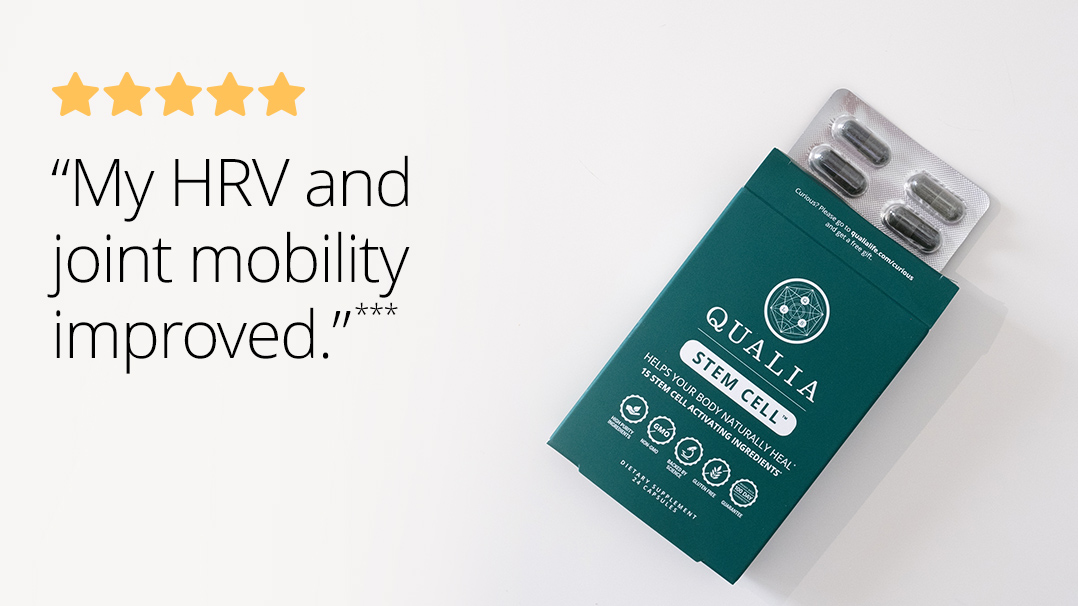
A good window is going to be three months. I have the saying, “The meaningful but invisible,” where you are having a real effect, but it’s invisible to you because it has taken some time for the effect to occur. Let’s say theoretically, you had a 25% improvement in joint stiffness, or how loose and mobile you feel, which is a sign of getting older. Because it took a little while for you to feel it, as it wasn’t immediate like an anti-inflammatory that you take and then you feel better within a few hours of the next day, you acclimate to that feeling, even though it’s real. If you had objective data to show you where you started and where you arrived, you’d be like, “Yes, definitely.” It’s part of the disadvantage of anything that doesn’t act immediately.
Take notes. Once you have your notes, you can compare the before and after.
The other part of that model is that you can have the meaningful but invisible in both directions, the positive effect, but also the negative effect. If something is in your life causing a decrement, the decrement is an advantage because what calls for our attention is the problem, this stiff and achy joint that gets achier over time. When something heals, you’re noticing it less. There’s less drawing your attention to that area. It goes back to the place of, “There are other things that are capturing my attention.”
As you recommended, if you have some aches and stiffness, maybe do a visual analog scale where you say, “Here’s a zero. Here’s a ten. Where do I rate it?” You could just do one on a piece of scratch paper yourself and say, “I’m going to do my knee, my ankle, and my back as some orthopedic ideas. Where do I grade myself on average, not just today? Where am I on these areas?” Put a calendar reminder for one month, two months, three months, or just three. Do it again and see if there are any changes and improvements. That might help you stay on something that’s having a real effect that you would want to continue digging.
Dan, thank you so much for joining me. If you guys want to check this out, this is the Qualia Stem Cell product. You can use the code URBAN. I believe that’ll save you 15% on your first order. Give it three months, and then check in to see how it is before and after. Dan, I appreciate your time. Thank you all for tuning in and sharing your energy and attention with us.
Thanks for having me on, Nick. I always enjoy and appreciate the opportunity to speak with you.
Likewise. Until next time, be an Outlier.
Important Links
- Altos Labs
- Qualia Senolytic: Eliminate Senescent Cells for Healthy Aging
- Qualia NAD+: Clinically Proven to Boost NAD+ Levels by 67%
- Qualia Mind: Advanced Nootropic for Focus and Brain Health
- Qualia Life on Instagram
- Qualia Life on Facebook
- Qualia Life on YouTube
- Qualia Life on TikTok
- What Makes Qualia Stem Cell Different? - YouTube