Written by
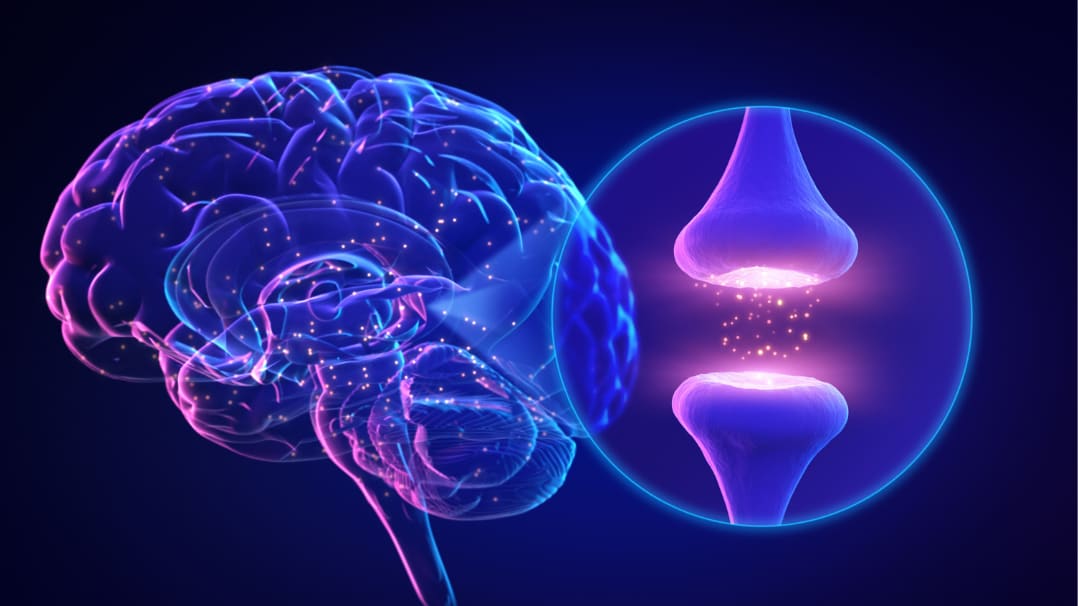
For much of the 20th century, neuroscientists assumed the adult brain was fixed. In effect, a machine whose circuits could break down but not rebuild.
But beginning in the 1960s, that story started to unravel.
Laboratory rodents that ran on wheels grew new neurons. Those raised in “enriched” cages — with toys, tunnels, and companions — developed denser cortices than those in bare ones [1]. The underlying lesson was revolutionary: the adult brain could change in response to experience.
The word for that ability is neuroplasticity. And one of the most powerful triggers for it is something our bodies were shaped for long before neuroscience existed: exercise. A single workout can prime neurons to form stronger connections. Weeks of training can reshape the networks that support memory and learning.
This article explores that story: from our evolutionary roots in endurance and adaptability, to the immediate neural effects stimulated by a single workout, to the long-term scaffolding that fitness and complexity build. Along the way, we’ll see why a foundation of aerobic training, layered with adaptation, intensity, and cognitive challenge, remains the key to unlocking the brain’s remarkable capacity for change.
The Evolutionary Frame
Around two million years ago, the human story took a decisive turn.
Longer legs, shorter arms, and a reengineered pelvis marked a body built for sustained effort. Survival meant covering around 5 to 9 miles a day, sometimes chasing animals until they collapsed from heat [2]. Those who could endure left more descendants, embedding stamina into the human blueprint.
But the true defining hallmark was adaptability. Under regular physical stress, our physiology expands, through a process called hormesis. Capillaries multiply, stroke volume rises, and blood vessels remain supple and pliant. Yet if the signal of effort is withdrawn, those gains recede.
Experiments in selectively bred rodents underscore the point. Lineages artificially chosen for aerobic performance don’t merely run more. Their very organs remodel, with larger hearts and lungs than control lines [3]. In humans, millennia of selection for survival through prolonged movement built the same principle into our biology. We are not fixed machines. We are organisms tuned to expand and retract with use.
That adaptability extends to the brain. Just as blood vessels stiffen in idleness, neural circuits lose their responsiveness when deprived of challenge. Here, too, evolution left a distinctive human signature.
Compared with chimpanzees, our overall brain size is similarly heritable, but the relative size of cortical regions is less genetically predetermined — leaving them freer to be shaped by experience [4].
One of the most potent levers for that reshaping is movement. An acute bout of exercise shifts blood flow, chemistry, and signaling in the brain, opening a window for circuits to strengthen and new connections to take hold.
The Immediate Spark: How One Workout Primes the Brain
Within minutes of exertion, the brain’s internal climate shifts.
Blood flow rises, delivering extra oxygen and glucose into active circuits. Just 30 minutes of activity can enhance global cerebral blood flow by as much as 20%, delivering fresh fuel and clearing away byproducts [5]. More than fuel, this surge creates the conditions neurons need to strengthen their connections.
Meanwhile, chemical messengers surge from deep brainstem and midbrain nuclei [6]. Dopamine, in this case, acts like a highlighter, tagging active pathways as worth remembering. Norepinephrine sharpens signal from noise, helping new associations stick. Serotonin and acetylcholine fine-tune the balance between excitation and inhibition, creating a window of pliability.
In effect, a single workout primes the brain to learn.
But among the many molecules stirred by exercise, one rises to the top.
BDNF: The Master Signal of Plasticity
Brain-derived neurotrophic factor, or BDNF, is the brain’s growth cue: a molecular signal to build, connect, and adapt [7].
Among the dozens of genes exercise lights up, BDNF stands out as the reliable constant, the hub around which the others turn [8]. And its role is not optional. When the action of BDNF is blocked in animals, the usual memory boost from running is abolished, as if they had never exercised at all [9]. No BDNF, no cognitive gain.
During physical activity, the brain itself begins releasing BDNF into circulation. In one experiment, researchers drew blood from two places: the radial artery feeding the arm, and the jugular vein draining the brain. The difference was unmistakable: during vigorous exercise, BDNF levels were 2- to 3-fold higher leaving the brain, as if a hidden faucet had been opened [10].
And these signals have teeth.
In healthy young adults, a single cycling session elevated BDNF and sharpened memory performance. Participants did better on a hippocampus-dependent face–name matching task, while scores on a non-hippocampal control task stayed flat [11].
Repeated often enough, these neurochemical surges gradually leave a structural imprint.
From Sparks to Scaffolding
Over time, the brain begins to lay down infrastructure that makes plasticity more sustainable.
Part of that foundation comes from the vascular system. Muscle contractions stimulate the release of vascular endothelial growth factor (VEGF). Stored in muscle fibers and released with each contraction, VEGF levels during exercise can climb to five times their resting baseline [12].
Once in circulation, VEGF signals blood vessels to sprout new branches, expanding capillary networks and improving oxygen and nutrient delivery. In the brain, this process of angiogenesis enriches the hippocampal environment where new neurons form.
Support also comes from astrocytes — star-shaped glial cells that feed neurons, clear excess transmitters, and secrete factors that help neural stem cells survive. With regular aerobic training, astrocytic support expands, making the niche more hospitable for neurogenesis [13].
Animal studies show how powerful these steady signals can be. In rodents, months of running nearly doubled the number of surviving newborn neurons in the dentate gyrus, improving their chances of integration into working circuits [14].
Human studies reinforce the same theme.
In older adults, just four months of aerobic training boosted hippocampal blood flow compared to controls. The hippocampus also showed stronger functional connectivity with the anterior cingulate cortex, a prefrontal hub for attention and control. So aerobic training both enriches the hippocampus and helps it work with higher-order cognitive regions [15].
And with longer practice, the changes grow more tangible.
When older adults committed to a year of daily walking at 60–70% of maximum heart rate, they saw enlargements in hippocampal volume of about 2% — effectively reversing one to two years of expected shrinkage in older adults. Notably, these structural gains were accompanied by sharper memory performance [16].
In short, regular aerobic training builds the soil: more blood supply, stronger glial support, and a baseline supply of new neurons. Emerging research on aerobic exercise and stem cells also suggests that sustained movement may help create a more supportive environment for stem cell activity and regeneration in the body.
Yet those foundations are only part of the story.
The Role of Intensity
Push harder, and the brain pushes back.
To examine how exercise intensity affects growth factors, researchers in New Zealand compared two drastically different rides. Ninety minutes of light cycling produced only a modest rise in circulating BDNF. By contrast, just six minutes of vigorous cycling sent BDNF levels soaring 4- to 5-fold more [17].
But does more BDNF necessarily mean more learning? A team at the University of Münster put the question to the test.
Young men either rested, jogged for 40 minutes at a light pace, or performed two 3-minute sprints to exhaustion before studying vocabulary in an unfamiliar language.
The sprinters on average learned words about 20% faster, and their brains released the biggest spikes of BDNF and catecholamines like dopamine and epinephrine. When retested a week later, the advantage was still there. Remarkably, in some highly responsive participants, the effect was still detectable even eight months later [18].
Why did the hardest effort have the biggest payoff? One answer is lactate, the metabolic wave that floods the bloodstream during hard exercise. Once dismissed as a waste product, lactate is more recently recognized as both fuel and signal [19].
In mice, when researchers blocked the transporter (MCT2) that neurons use to absorb lactate, exercise still produced plenty of dividing precursor cells — the seeds of neurogenesis — but far fewer matured into functioning neurons and the usual learning and memory benefits disappeared [20].
So, if steady aerobic work lays the soil, these bursts are the fertilizer: surges of lactate and BDNF that coax fragile new cells to take root, wire into circuits, and leave imprints that outlast the workout itself.
But gardens aren’t transformed overnight. The richest adaptations come when the two are layered over weeks and months.
Fitness: Building the Infrastructure for Plasticity
A single workout ignites neuroplasticity. Fitness reflects what happens when those sparks accumulate.
Cardiorespiratory fitness — measured as VO₂peak — represents the body’s long-term adaptations to repeated training: denser capillaries, more efficient oxygen delivery, and greater metabolic flexibility.
Observational studies show that people with higher VO₂peak tend to perform better on tests of memory, attention, and executive control. Imaging work reinforces this: fitter individuals often have larger hippocampi and stronger prefrontal connectivity [21].
But perhaps the most persuasive evidence comes from intervention trials.
In one, sedentary middle-aged adults trained for six months. Those assigned to cycling improved episodic memory, and the gains scaled directly with VO₂peak: the fitter participants became, the sharper their recall [22].
A follow-up a year later revealed that the memory boost persisted only in those who had maintained their fitness. Those who let it slide lost the gains, despite reporting similar physical activity levels [23].
Why would fitness matter so much? Part of the explanation lies in vascular adaptations. With greater cardiorespiratory fitness, the brain is better supplied with oxygen and glucose, creating the conditions for change [24].
But fitness also primes neurotrophic pathways. For example, rodents with months of running experience release hippocampal BDNF more quickly than naïve runners [25].
Human studies echo this. A meta-analysis of 29 trials found that a single session of exercise reliably elevates circulating BDNF, and that the effect gets stronger after weeks of training [26].
Fitness, then, builds capacity on two fronts: it lays down the infrastructure for plasticity and primes the brain to respond more vigorously every time it is challenged.
And yet capacity alone isn’t destiny.
Complexity: Training the Brain by Training the Body
Exercise can seed the brain with new neurons. But on its own, most of that surge is just raw potential — a wave of cells that won’t all survive. Whether they do depends on stimulation: novelty, unpredictability, and problem-solving that push the brain beyond routine.
In rodents, running expands the pool of immature neurons. But when animals also face cognitive challenges, far more of those cells mature and wire into circuits [27].
And the same principle appears to carry in humans [28]. A powerful illustration of how this works comes from elite judo athletes.
Researchers compared two equally grueling workouts, each pushing athletes to near-max heart rates. The first was a maximal ramp test to exhaustion — pure intensity, but simple and repetitive. That training bout drove a +269% rise in BDNF, much as you might expect from an exhausting bout of cardio.
Then came Randori — combat sparring filled with unpredictability and complex motor demands. Despite being no harder by physiological measures, it drove plasma BDNF up by about +485%. In other words, when intensity was matched, complexity amplified the brain’s plasticity signal [29].
Similarly, in older adults, dance programs with progressively complex choreography raised BDNF and even expanded brain volume in certain areas more than conventional fitness training [30]. And across sports, “open-skill” activities, like badminton [31] or fencing [32], elicit stronger boosts in cognition and BDNF than repetitive “closed-skill” exercise like jogging.
In essence, exercise provides the raw material by generating new cells, while complexity helps steer their fate.
Recreating the Evolutionary Conditions for Plasticity
Humans did not evolve for stasis. We evolved for change.
If our ancestors carried an unspoken training program, it looked something like this: sustained effort, sharpened by bursts of intensity, and threaded through with problem-solving in unpredictable environments.
That template still lives in us. What we do today either continues that legacy — keeping capacity alive — or drifts from it, inviting the brain to scale back [3].
Here are some levers we can pull to tilt the balance toward growth.
1. Aerobic base: enrich the soil.
Regular, steady movement — brisk walking, easy cycling, a relaxed jog — is the foundation. These efforts train your blood vessels to grow denser and more responsive, so more oxygen and nutrients reach your brain. They also improve blood flow to memory centers like the hippocampus. Even just taking daily walks at moderate intensity have been shown to preserve brain volume and sharpen recall. Like tending soil, these efforts make the brain’s regenerative environment richer and more fertile.
2. Intensity: signal that effort matters.
Our brains evolved to treat surges of demand as urgent. And it doesn’t take much. Just a few minutes of high-effort intervals — a sprint up a hill, a hard push on the bike, a series of fast bodyweight drills — can flood the brain with BDNF and catecholamines, priming circuits to strengthen. These bursts are like living imprints of the chase: quick but decisive moments where performance meant survival.
3. Fitness: build the scaffolding.
One workout initiates change; fitness is what happens when these spikes accumulate into structure. Over time, consistent training builds capacity and responsiveness, making every brain-boosting signal from exercise more potent. In practice, that means not just showing up regularly, but nudging the bar higher: cycling a little longer, lifting a little heavier, or running a little faster. These gradual progressions keep the brain’s support systems expanding instead of stalling.
4. Complexity: give neurons a reason to stay.
Newborn neurons are like recruits waiting for assignment. Without stimulation, many fade away. Activities that mix movement with learning or quick decisions — dance, martial arts, team sports, trail running — give those cells a purpose. They combine novelty, coordination, and unpredictability, which pushes the brain to weave them into its circuitry.
Finally, exercise is a powerful signal for growth and plasticity, but it is not the only input that matters.
Neuroplasticity also depends on the right molecular building blocks and messengers so neurons can respond and adapt. On that front, we have modern tools our ancestors could never have imagined.
For example, acetyl-L-carnitine supports mitochondrial flexibility and neurotransmitters like acetylcholine and dopamine.* Lion’s mane mushroom has been investigated for its potential to encourage neurotrophic factors such as BDNF.* Phosphatidylserine helps maintain healthy nerve cell membranes, as well as the myelin sheath that enables rapid, efficient communication.* These are just a few of the compounds featured in Qualia Mind.
For nearly a decade, Qualia Mind has set the gold standard in supporting human brain health. Now, Qualia Mind’s new and improved formula harnesses the leading edge of scientific research, to take fast-acting (and long term) brain health support to an unprecedented standard.*
Qualia Mind is a doctor-formulated blend of 32 ingredients, (including 21 brain nutrients) which work in concert to support the broadest possible aspects of brain health, including short term changes you’ll notice fast, and long term brain benefits you’ll be thankful for tomorrow.*

*These statements have not been evaluated by the Food and Drug Administration. This product is not intended to diagnose, treat, cure, or prevent any disease.
References
[1] E.L. Bennett, M.C. Diamond, D. Krech, M.R. Rosenzweig, Science 146 (1964) 610–619.
[2] D.E. Lieberman, Curr. Sports Med. Rep. 14 (2015) 313–319.
[3] D.A. Raichlen, G.E. Alexander, Trends Neurosci. 40 (2017) 408–421.
[4] A. Gómez-Robles, W.D. Hopkins, S.J. Schapiro, C.C. Sherwood, Proc. Natl. Acad. Sci. U.S.A. 112 (2015) 14799–14804.
[5] J.C. Smith, E.S. Paulson, D.B. Cook, M.D. Verber, Q. Tian, J. Neurosci. Methods 191 (2010) 258–262.
[6] J.C. Basso, W.A. Suzuki, Brain Plast. 2 (2017) 127–152.
[7] M. Miranda, J.F. Morici, M.B. Zanoni, P. Bekinschtein, Front. Cell. Neurosci. 13 (2019) 363.
[8] R. Molteni, Z. Ying, F. Gómez-Pinilla, Eur. J. Neurosci. 16 (2002) 1107–1116.
[9] S. Vaynman, Z. Ying, F. Gómez-Pinilla, Eur. J. Neurosci. 20 (2004) 2580–2590.
[10] P. Rasmussen, P. Brassard, H. Adser, M.V. Pedersen, L. Leick, E. Hart, N.H. Secher, B.K. Pedersen, H. Pilegaard, Exp. Physiol. 94 (2009) 1062–1069.
[11] É.W. Griffin, S. Mullally, C. Foley, S.A. Warmington, S.M. O’Mara, A.M. Kelly, Physiol. Behav. 104 (2011) 934–941.
[12] B. Hoier, Y. Hellsten, Microcirculation 21 (2014) 301–314.
[13] G. Maugeri, V. D’Agata, B. Magrì, F. Roggio, A. Castorina, S. Ravalli, M. Di Rosa, G. Musumeci, Cells 10 (2021) 1542.
[14] H. van Praag, B.R. Christie, T.J. Sejnowski, F.H. Gage, Proc. Natl. Acad. Sci. U.S.A. 96 (1999) 13427–13431.
[15] J.H. Burdette, P.J. Laurienti, M.A. Espeland, A. Morgan, Q. Telesford, C.D. Vechlekar, S. Hayasaka, J.M. Jennings, J.A. Katula, R.A. Kraft, W.J. Rejeski, Front. Aging Neurosci. 2 (2010) 23.
[16] K.I. Erickson, M.W. Voss, R.S. Prakash, C. Basak, A. Szabo, L. Chaddock, J.S. Kim, S. Heo, H. Alves, S.M. White, T.R. Wojcicki, E. Mailey, V.J. Vieira, S.A. Martin, B.D. Pence, J.A. Woods, E. McAuley, A.F. Kramer, Proc. Natl. Acad. Sci. U.S.A. 108 (2011) 3017–3022.
[17] T.D. Gibbons, J.D. Cotter, P.N. Ainslie, W.C. Abraham, B.G. Mockett, H.A. Campbell, E.M.W. Jones, E.J. Jenkins, K.N. Thomas, J. Physiol. 601 (2023) 2121–2137.
[18] B. Winter, C. Breitenstein, F.C. Mooren, K. Voelker, M. Fobker, A. Lechtermann, K. Krueger, A. Fromme, C. Korsukewitz, A. Floel, S. Knecht, Neurobiol. Learn. Mem. 87 (2007) 597–609.
[19] T.D. Gibbons, J.D. Cotter, P.N. Ainslie, W.C. Abraham, B.G. Mockett, H.A. Campbell, E.M.W. Jones, E.J. Jenkins, K.N. Thomas, J. Physiol. 601 (2023) 2121–2137.
[20] D. Hwang, T. Kim, S. Kyun, I. Jang, J. Kim, H.Y. Park, S.W. Kim, K. Lim, Mol. Neurobiol. 62 (2025) 11948–11961.
[21] K. Hötting, B. Röder, Neurosci. Biobehav. Rev. 37 (2013) 2243–2257.
[22] K. Hötting, B. Reich, K. Holzschneider, K. Kauschke, T. Schmidt, R. Reer, K.M. Braumann, B. Röder, Health Psychol. 31 (2012) 145–155.
[23] K. Hötting, G. Schauenburg, B. Röder, Brain Sci. 2 (2012) 332–346.
[24] A.C. Pereira, D.E. Huddleston, A.M. Brickman, A.A. Sosunov, R. Hen, G.M. McKhann, R. Sloan, F.H. Gage, T.R. Brown, S.A. Small, Proc. Natl. Acad. Sci. U.S.A. 104 (2007) 5638–5643.
[25] N.C. Berchtold, G. Chinn, M. Chou, J.P. Kesslak, C.W. Cotman, Neuroscience 133 (2005) 853–861.
[26] K.L. Szuhany, M. Bugatti, M.W. Otto, J. Psychiatr. Res. 60 (2015) 56–64.
[27] G. Kempermann, K. Fabel, D. Ehninger, H. Babu, P. Leal-Galicia, A. Garthe, S.A. Wolf, Front. Neurosci. 4 (2010) 189.
[28] D. Moreau, A.B. Morrison, A.R. Conway, Acta Psychol. (Amst.) 157 (2015) 44–55.
[29] B. Schor, S.G.D. Silva, A.A. Almeida, C.A.B. Pereira, R.M. Arida, Braz. J. Med. Biol. Res. 52 (2019) e8154.
[30] K. Rehfeld, A. Lüders, A. Hökelmann, V. Lessmann, J. Kaufmann, T. Brigadski, P. Müller, N.G. Müller, PLoS One 13 (2018) e0196636.
[31] C.L. Hung, J.W. Tseng, H.H. Chao, T.M. Hung, H.S. Wang, J. Clin. Med. 7 (2018) 301.
[32] E. Gökçe, E. Güneş, F. Arı, S. Hayme, E. Nalçacı, PLoS One 16 (2021) e0251907.