Written by

Lymphatic detox is the missing puzzle piece in modern cleanses. Largely because it was never part of the detox conversation to begin with.
Detox has been relentlessly liver-coded, while the lymphatic system remains sidelined. But the lymphatic system kickstarts whole-body detoxification.
And the modern world hits it from both ends.
On one side, we face exposures that didn’t exist for most of our history as a species. For instance, microplastic particles are nearly ubiquitous in human tissues today, and the lymphatic system is one of the main routes that handles them [1, 2].
At the same time, the forces that move lymph have attenuated. We sit more than all previous generations, and muscle movement is the primary external driver that keeps lymph flowing [3, 4].
In other words, your lymphatic system is under unprecedented pressure — and most detox products totally ignore it.
In this article, we’ll break down why lymphatic detox matters now more than ever, and which lymphatic drainage supplements really work to target this system.*
What Does the Lymphatic System Do?
The lymphatic system is the body's drainage network. It collects excess fluid from tissues and returns them to circulation. This transport role makes the lymphatic system a critical phase of detoxification, since compounds must be moved before they can be transformed by the liver or eliminated from the body.
Before any compound can be transformed or eliminated, it has to be transported. That job falls to two parallel transport networks: blood and lymph.
Blood is the main highway. It is a fast pressurized system, with flow driven by the heart.
Lymph, meanwhile, is more like the drainage system.
It collects the fluid that leaks from capillaries into the spaces between cells and returns it to circulation. Every day, the lymphatic system pushes 4–5 liters of fluid back into the bloodstream [5].
Unlike blood, the lymphatic system has no dedicated pump. Instead, lymph flow depends on external pressure from your muscles, as well as the compressive force of breathing.
This is why lymph gets sluggish in ways that blood doesn't. You've seen this phenomenon in action after a long flight, when your ankles puff up and your sock lines linger for hours.
But the lymphatic system’s biggest vulnerability is also its biggest opportunity.
Because the lymphatic system runs on movement rather than a central pump, it responds directly to what you do. In the context of lymph, you are the pump.
When people engage in exercise, lymph flow has been shown to skyrocket 2- to 3-fold higher, compared to when they are at rest [6].
Exercise works because it engages all of the lymphatic system's pump mechanisms at once. But the system also responds to inputs at the cellular and biochemical level. Specific botanicals can influence these layers in ways that complement the mechanical work of movement.
Unfortunately, few supplements on the market are devised to take advantage of this.
Why Don't Most Detox Products Support the Lymphatic System?
Most detox products don't support lymphatic detox because the detox industry was built around liver detoxification. By the time modern supplements emerged, liver support had already become the dominant model of detox, while lymphatic detox remained a niche clinical practice.
Walk into the detox aisle of any supplement retailer and you'll see the same handful of ingredients: milk thistle, dandelion, artichoke, NAC. Basically all liver detox supplements. How come?
It is likely a product of historical inertia.
The scientific framework for liver detoxification was established in 1947, when researchers first began mapping the body's biotransformation pathways [7].
Twenty years later, milk thistle's active flavonolignan complex, silymarin, was isolated and quickly became the category's defining ingredient [8].
By the time the modern supplement industry took shape under the Dietary Supplement Health and Education Act of 1994, the idea that detox means liver was baked in. And that frame has only hardened with time [9]. The clinical framework for lymphatic detox didn't gain meaningful traction until much later.
So lymphatic detox is still playing catch-up to a category whose assumptions were established decades earlier.
Meanwhile, the world we live in today raises the burden on the lymphatic system, while simultaneously reducing the forces that keep it moving.
What Ingredients Actually Support Lymphatic Drainage?
Research has revealed several ingredients that support lymphatic drainage, including diosmin and hesperidin, coumarin-rich yellow sweet clover, and cleavers (Galium aparine). These lymphatic drainage supplements work through complementary mechanisms, such as supporting lymphatic vessel contractions, promoting the clearance of proteins that accumulate in tissue, and helping maintain the integrity of the vessels themselves.*
Diosmin and Hesperidin: Capillary Integrity and Vessel Tone
The lymphatic system is the body's "drainage network." Here's what that actually means.
At any given time, fluid is leaking out of your capillaries and spilling into surrounding tissue. The lymphatic system captures that fluid and returns it to circulation.
As long as the drain keeps pace with the leak, everything stays in balance. But if the leak exceeds the capacity of the drain, that's when your tissues start to get waterlogged.
Diosmin and hesperidin — two closely related citrus flavonoids — modulate both sides of that equation.
On the drainage side, that starts with the lymphatic vessels.
Blood has a central motor that keeps it moving through 60,000 miles of vessels. The lymphatic system has to solve the same transportation problem without one.
The lymphatic system relies on thousands of tiny pumping chambers embedded throughout the lymphatic network. These chambers, called lymphangions, squeeze lymph forward one segment at a time, sort of like a tiny relay team handing fluid off down a line.
That rhythm is modulated by the sympathetic nervous system. Nerve endings near the lymphatic vessels release noradrenaline, which triggers a cascade that leads to contraction and lymphatic flow.
This is where diosmin and hesperidin step in.
As lymphatic drainage supplements, these citrus flavonoids prolong the duration of noradrenaline's signal at the vessel walls.* So when the sympathetic nervous system tells the lymphatic vessels "pump harder," the contraction holds longer [10, 11].
But you still need to manage the leak. That takes us to the capillaries.
Each capillary is lined with endothelial cells that are locked together by protein complexes called intercellular junctions. These are molecular zippers that decide what gets through and what stays put.
When the capillaries are under stress, like from prolonged sitting, these zippers can give way, allowing too much fluid to transfuse from the bloodstream into surrounding tissues. That's the infamous puffy ankles effect.
Diosmin and hesperidin tackle this problem on two fronts.
First, they tamp down on chemical mediators that tell those junctions to open [12]. Secondly, they stabilize the junctions themselves, making them more resistant to loosening even when those chemical signals are present [13].*
But there’s another issue the lymphatic system has to contend with: not how much fluid is present, but what’s dissolved in it. That introduces a very different kind of bottleneck. And pumping harder won't fix it.
Yellow Sweet Clover: Immune-Mediated Protein Clearance
The lymphatic system’s job is draining “fluid.” But what exactly is that fluid?
You're probably picturing water. In reality, lymph is a blend of proteins, immune cells, lipids, and scraps of cellular debris that escape from blood capillaries into the interstitial space.
Let's zoom in on those proteins. Lymph contains a decent amount of it — about half of total plasma protein turnover crosses into tissue every day [14].
And once those proteins slip into tissue, they can't go back the way they came.
They are osmotically trapped. Proteins attract water wherever they go — a force called oncotic pressure — and they are too big to squeeze back through the junctions they originally leaked through [15].
When proteins build up, things really start to spiral.
As they accumulate in tissue, that protein pulls more water from capillaries. Tissue swells with the incoming fluid, which in turn compresses lymphatic capillaries. The compressed capillaries clear less fluid, causing even more protein to accumulate [16].
This vicious cycle is why swelling from a long flight doesn't recede the moment you get up and walk. Lymphatic flow resumes, but the protein load that built up while you were immobile doesn't just flush away. It's got to be dismantled.
Yellow sweet clover (Melilotus officinalis) has been used for centuries as a lymphatic system supplement to address stubborn “phlegmatic” swelling.
It has the unmistakable scent of freshly cut hay. That aroma is coumarin, the volatile organic compound responsible for the plant’s medicinal effects.
In the 1970s, researchers started experimenting with coumarin to support lymphatic cleanse, and found something that should have been impossible [17]. It cleared protein‑laden swelling even in animals whose lymphatic vessels were tied off. In other words, zero lymphatic flow, yet the swelling was abated. How?
The answer was hiding in that protein fraction of lymph.
Normally, when stray proteins linger around tissue, macrophages handle the cleanup. These immune cells live in the interstitial space, patrolling for debris and engulfing any interlopers they stumble upon.
You can see this in action under a microscope: if you put macrophages in a dish with protein, they'll start breaking it down, because that's what macrophages do.
When researchers added coumarin to that dish, the macrophages broke down twice as much protein [18].
Once those large proteins are chopped into smaller fragments, they can slip back through the blood capillary junctions. And with the osmotic anchor alleviated, the water that was trapped with them can follow.
Where diosmin and hesperidin tune the vessels that propel fluid, coumarin breaks down substances that clog the vessels. Both work on the fundamental functions of lymphatic detox.*
But neither addresses the structural integrity of the lymphatic vessels, and how they hold up under the conditions of the modern world.
Cleavers: Microvascular Environment Support
The lymphatic system is dynamic — constantly responding to chemical and mechanical cues from the environment. Lymphatic vessels contract more forcefully when fluid begins to accumulate, and they open specialized junctions to absorb proteins and cellular debris.
But modern life is hard on those vessels.
Americans today spend an average of 9.5 hours per day sedentary [19].
Prolonged sitting raises levels of signaling proteins known as cytokines. When these cytokines reach the endothelial cells lining vessels, they switch on genes telling the cells to express adhesion molecules — sticky proteins that recruit immune cells. As a result, the vessels become more permeable and slower to respond to environmental signals [20, 21].
This phenomenon is best documented in blood vessels. But lymphatic vessels share the same endothelial architecture, and they are affected by the same cellular stressors.
In one of the rare studies that actually measured lymph flow directly in human legs, two hours of sitting cut lymph flow by 50% [22].
Galium aparine, better known as cleavers, is a sprawling herb that you've probably peeled off your pants leg after a hike. Herbalists historically used it as a “lymphatic tonic.” And that traditional indication appears to map well onto modern biology of lymphatic detox [23].
Cleavers contains a constellation of bioactive compounds, including rutin and quercetin. These flavonoids strengthen the junctions that hold endothelial cells together, and they support antioxidant defenses that shield the cells from the low-grade stress generated by sedentary life [24].*
Importantly, both compounds have a marked affinity for the lymphatic system.
In a pharmacokinetic study of rats, total levels of rutin in lymph were 2x that of plasma, while quercetin in lymph was 5x that of plasma [25]. So not only do these compounds act on vessel integrity, but they gravitate preferentially to the lymphatic system.
How Is Qualia 2-Day Detox Different?
Most detox protocols follow the same playbook. They focus on the liver, or maybe target gut binding or kidney filtration.
Qualia 2-Day Detox is the first whole-body 2-day detox protocol that includes lymphatic detox.* This is encompassed in the MOVE complex, taken in the morning of each detox day:
Diosmin and hesperidin are supplied as μsmin® Plus, a micronized form shown to be nine times more bioavailable than standard micronized diosmin [26].
Coumarin is delivered via Lymphaselect®, a standardized yellow sweet clover extract with consistent coumarin content per dose.
Cleavers is included as a whole herb extract, preserving the broader phytochemical profile of the plant.
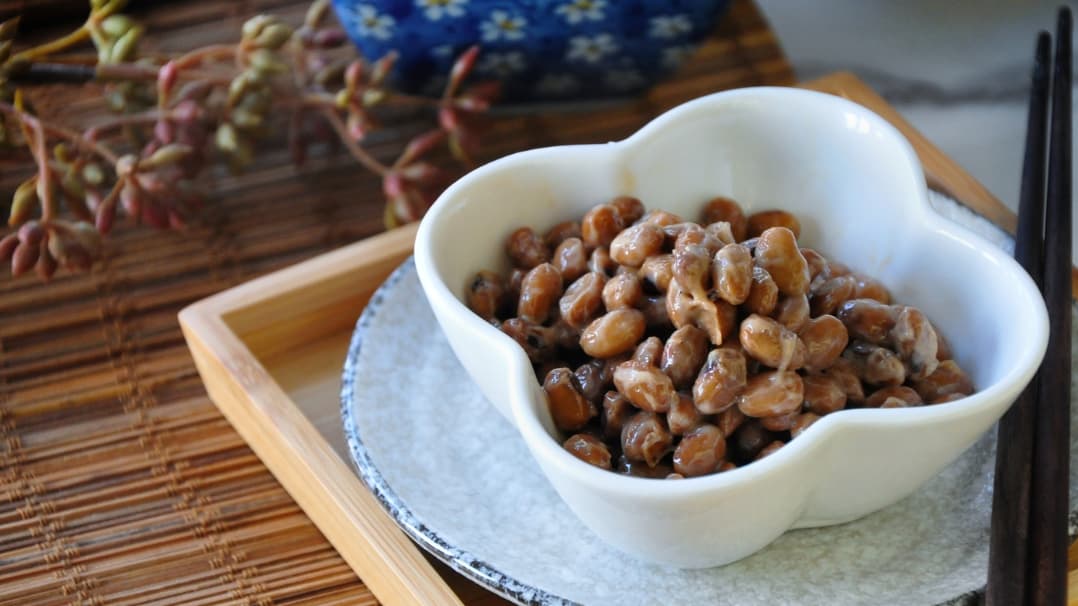
At the same time, the product extends transport support to the blood side through nattokinase for fibrin turnover and cayenne pepper for nitric oxide–mediated circulation.*
Together, these three lymphatic system supplements cover vessel mechanics, tissue protein clearance, and vessel wall maintenance — the three layers that no other premium detox formula targets.*
The science of lymphatic detox is still evolving. But for the first time, there’s a detox formula designed around what science already shows.*
*These statements have not been evaluated by the Food and Drug Administration. These products are not intended to diagnose, treat, cure or prevent any disease.