Written by
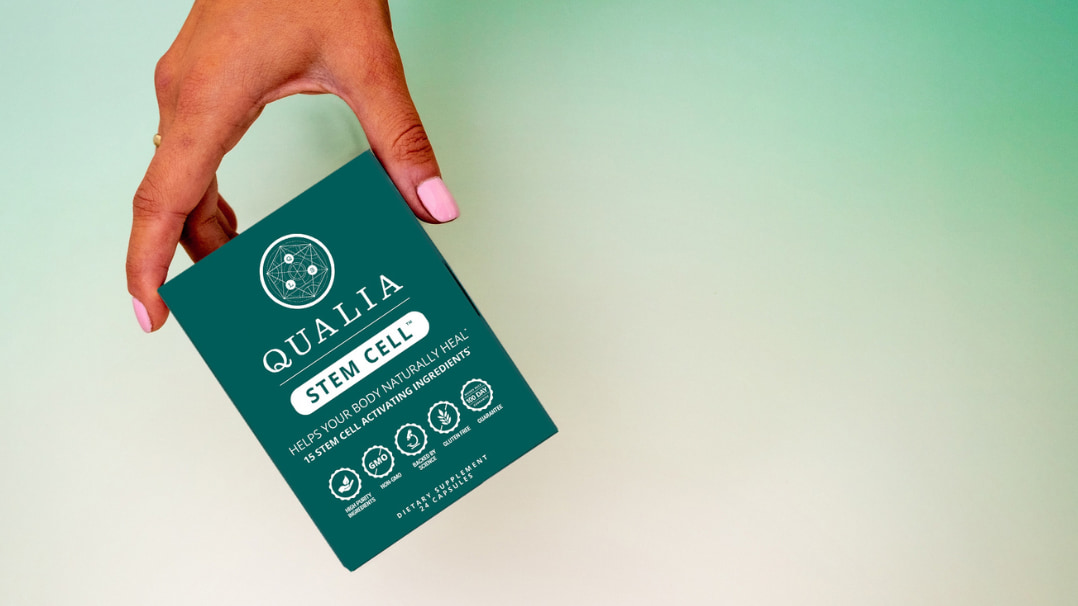
Qualia Stem Cell is a cutting-edge product designed to support stem cell health by targeting both key aspects of the hallmark of aging “Stem Cell Exhaustion” – stem cell numbers and functions. This formula combines time-tested botanicals known for promoting vitality and longevity, nutrients & superfoods to nourish and activate stem cells, and a Traditional Chinese Medicine blend of herbs & compounds used historically for supporting tissue repair functions. Qualia Stem Cell’s superior ingredients work together to promote optimal levels of circulating stem cells and support their main functions, activation and maintenance, directly addressing this hallmark for a more youthful you.* In doing so, it also helps highlight the central role of stem cells for metabolic health, since healthier, better-functioning stem cells are closely tied to how efficiently we manage energy, repair tissues, and maintain resilience as we age.*
Qualia Stem Cell: Why Did We Create It?
Why did we create Qualia Stem Cell? As part of our growing interest in crafting products that help people stay active and vital into middle age and beyond – or improving “healthspan” – we, like many scientists, doctors, and health enthusiasts, became enamored with the “Hallmarks of Aging” framework originally established by Dr. Carlos López-Otín and colleagues in 2013[1]. Our first product specifically launched in the spirit of this brilliant framework was in mid-2022, called: Qualia Senolytic®, targeted to support management of senescent cells.* Then, in 2023, this list of hallmarks was updated to what is now fondly referred to as the “Twelve Hallmarks of Aging.”[2]
Following the success of Qualia Senolytic®, we realized that (1) like us, our community was just as committed to supporting cellular health, and (2) they are compelled to invest in their long-term health, such as by taking a short-term monthly protocol that is intended to pay dividends as time progresses, like Qualia Senolytic®. Furthermore, as the intent of Qualia Senolytic® is to support the management of “zombie” cells (a type of stressed cell), it only made sense that another product should focus on cellular and tissue renewal functions. Thus, Qualia Stem Cell was born. Together, they are the Yin and Yang of foundational cellular health.*
How Stem Cells Work
Let’s explore more about stem cells and how they work. Their stellar reputation comes from the fact that they have the unique capacity to differentiate into many different cell types – brain, bone, muscle, and more – and naturally renew tissues by replacing damaged or aged cells. The term “stem cell” was coined in the late 19th century by Theodor Boveri and Valentin Haecker [3] to describe their action of giving rise to the germline, the cells that produce sperm and eggs and are responsible for transferring all genetic material from one generation to another. In the early 20th century, several other scientists were using the term to refer to “progenitors” – basically, originators – of cells of the blood system. Our understanding of what stem cells could do continued to grow. Then, in 1958, French doctor George Mathé performed a stem cell transplant, marking the beginning of stem cell therapies in modern medicine [4].
Since then, researchers have identified various stem cell types, their origins, and functions. While stem cells do exist at very low concentrations in circulation and throughout tissues in the body [5], bone marrow is regarded as the primary reservoir, and the stem cells it houses possess remarkable differentiation potential, making them a central focus of modern stem cell research [6].
The goal of most stem cell supplements on the market has to do with supporting a healthier level of stem cells in circulation. These supplements work by what can be thought of as “waking up” stem cells from a more “asleep state.” A scientist would call this mobilizing stem cells. Mobilizing stem cells from the bone marrow into the bloodstream, allowing them to reach areas in need of healthy new cells and participate in the body’s natural renewal process, is a normal and healthy body function. It's also a function that may benefit from more support as we get older.*
How Qualia Stem Cell is Different
Qualia Stem Cell is not like other stem cell supplements; it’s a 4-day protocol that is intended to be done once monthly. Why? Almost all body functions, including the activities of stem cells, undergo periodic cycles which are essential for normal physiology. There are times when more stem cells will be awake and times when they need to be asleep. The activities that occur when stem cells are awake - natural tissue healing and renewal functions - need to take center stage sometimes, such as after an unusually intense exercise session, a big stressor, or periodically as part of normal tissue maintenance. Otherwise, stem cells need their beauty sleep just like we do, or else, like us, they may become exhausted. Put simply, there are times for activity and times for rest. Physiologically, it makes far more sense to periodically supply support for stem cells to be more alert and active for a few days at a time, and let them get their rest the remainder of the month.*
Supporting healthier stem cell numbers may not be enough though, as their capabilities also need to be tended and nourished. When stem cells are periodically awake, they need to perform the essential functions in order to renew cells and tissues. In some cases, even when stem cells are awake, there is a diminished functionality over time [7,8]. Supporting stem cells in performing their functions after they’ve been woken up is arguably just as crucial, yet largely ignored by modern stem cell products.*
This is another part of what makes us stand out from other products on the market. Our team of doctors, scientists, and innovators meticulously researched more than 50 botanicals, nutrients, and compounds to curate a unique stem cell health product to holistically address this Hallmark of Aging. Using our complex science approach combined with our high regard for the healing wisdom of traditional peoples across the world, we designed Qualia Stem Cell to periodically wake up more stem cells and help them perform their jobs better while they are awake. Both are needed when thinking about optimizing support for ‘stem cell exhaustion’ and to support cellular and tissue renewal from the inside out.*
Qualia Stem Cell: Ingredients Backed By Clinical Research
The core botanicals in Qualia Stem Cell promoting stem cell mobilization are backed by human clinical research. After these cells move into circulation they need to carry out additional jobs to become specialized cells and tissue. In the science literature, these are called migration (to the target area), proliferation (expand cellular numbers), and differentiation (become the new tissue). These four primary actions can be summarized as stem cell “activation.” Activation can be thought of as the simplest way to describe the normal functions of stem cells, and the essential functions they perform when they are awake. To further cultivate this activation, we’ve incorporated classic healing herbs from Traditional Chinese Medicine, known for their ability to support healthy blood circulation, which kindles a more potent response from stem cells [9–11].*
When stem cells are not actively performing duties to renew tissues, they also need to execute functions to maintain their own health and longevity, which occur when the stem cell is taking its “beauty rest” – such as self-renewal (conservation of the cellular population) and survival (resistance to stressors) – which can be summarized as “maintenance.” These six essential functions of stem cells are robustly supported by the ingredients included in Qualia Stem Cell, which will be described further in the ingredients sections below.*
At Qualia Life Sciences, we understand that ‘wellness’ is not the absence of disease but an emergent property with multiple core dimensions. In a world where science and medicine often focus solely on disease, we are excited to embrace & share a more rebellious approach with Qualia Stem Cell—one that celebrates and nurtures the body's innate capacity for restoration and vitality.*
In the remainder of this blog post, we’ll explore why we chose each ingredient for Qualia Stem Cell, the role it plays, and the rationale behind the dosing.
A few notable studies
Don’t just take our word for it. Below are the reported conclusions from scientific journals highlighting some of the Qualia Stem Cell ingredients, which will be discussed in more detail below.
Sea buckthorn berry extract mobilizes multiple stem cell types in humans 10-15% up to 2 hours after consumption (Pubmed ID: 30787601)*
AFAninPlus® mobilizes stem cells in humans an average of 25% one hour after consumption (Pubmed ID: 17765649)*
Fucoidan mobilizes stem cells in humans an average of 12% after 4 days of consumption (Pubmed ID: 17533053)*
Spirulina protects the proliferative potential of neural progenitor stem cells after systemic stressor (Pubmed ID: PMC2864748)*
Uridine (contained in NucleoPrime®) improved fitness in aged mice, facilitated muscle tissue regeneration, and restored aged human stem cells into a younger state (Pubmed ID: 35102134)*
Soluble yeast beta glucan (Wellmune®, before branding) enhances the proliferation of hematopoietic stem cells (Pubmed ID: PMC1895628)*
Royal jelly enhanced fitness in mice with old age and restored muscle stem cell numbers comparable to those of young mice (Pubmed ID: PMC6164577)*
Qualia Stem Cell Ingredients
CyanthOx™ (sea buckthorn fruit extract)
CyanthOx™ is an extract made from sea buckthorn berries native to the Tibetan Plateau, a high-altitude, arid region often referred to as 'the roof of the world,' renowned for its clean ecosystem. Sea buckthorn berries are yellow to bright orange and taste acidic, sour, and astringent. Since the 1940s, bioactives in sea buckthorn have been researched and utilized for supporting health. In fact, this powerhouse fruit contains nearly 200 nutritional and bioactive compounds [12]. In Traditional Chinese Medicine, sea buckthorn is known as Sha Ji and is used to support digestive and respiratory health, as well as blood circulation.*
CyanthOx™ has been clinically studied for stem cell support in humans, where it supported mobilization of stem cell types from the bone marrow into the peripheral circulation. Multiple stem cell types involved in the body’s healthy regenerative and renewal functions were impacted, including hematopoietic, endothelial, and lymphocytoid mesenchymal stem cells. The mechanism of action triggering mobilization in humans is not yet understood, but preclinical studies suggest sea buckthorn fruit, and compounds it contains like t ursolic aldehyde, also support differentiation of stem cells into other specialized cells, like bone [13,14].*
We chose to include CyanthOx™ in this formula due to the promising human clinical research and the fact that sea buckthorn supports numerous stem cell types. Its reputation as a superfood and treasure trove of bioactives & nutrients were also important benefits for us to include in a formula intended to replenish cells. The 500mg amount per serving we include matches the clinically studied dose of CyanthOx™ [15].*
CyanthOx™ is a trademark of Puredia.
AFAninPlus® (Aphanizomenon flos-aquae extract)
AFAninPlus® is an extract derived from Aphanizomenon flos-aquae (AFA), a blue-green algae harvested from the pristine, high-desert Klamath Lake in Southern Oregon. AFA contains a compound that binds to L-selectin, a protein on cell surfaces crucial for cell adhesion, and a mechanism essential for stem cell migration and homing to the target tissue [16]. L-selectin binding is also involved in stem cell mobilization [17], such as through modulating the expression of the CXCR4/SDF-1 signaling axis to direct the migration of stem cells to specific tissues [18,19].*
Clinically, AFAninPlus® boosts levels of circulating hematopoietic stem cells by an average of 25%. In preclinical studies, AFA has supported healing and tissue renewal [20,21]. AFA also supports healthy immune system activity [22,23], which can be important since the immune system orchestrates stem cell activities and survival through its impact on innate & adaptive immunity, cytokine signaling and adhesion molecules [24]. We chose to include AFA in this formula due to its promising support for stem cell activities and tissue renewal across multiple studies. The 400mg amount we include matches a clinically studied amount of AFA extract for stem cells [25].*
AFAninPlus® is a trademark of Desert Lake Technologies.
Okinawa mozuku extract
Mozuku (Cladosiphon okamuranus) is a brown seaweed grown in the shallow, coral-rich coastal waters of Okinawa. Seaweed has a rich history of use in Japanese cuisine, medicine, and culture, where mozuku’s cultivation through large-scale farming started around the early 1990s. The farming of mozuku has become a key element in Okinawa's economy and is recognized as a foundational food to this “Blue zone” diet, which is a geographic area where people live exceptionally long.*
The extract we chose for Qualia Stem Cell contains >=85% fucoidan, a sulfated polysaccharide found in the cell walls of brown seaweed with diverse health benefits. In a clinical study, fucoidan mobilized hematopoietic stem cells and boosted them about 12% from baseline after 4 days [26]. Fucoidan also supports the migration of stem cells through the L-selectin, CXCR4/SDF-1 signaling axis [17,27,28] as well as through selection-independent mechanisms [27].*
In addition to fucoidan’s potent effects on stem cell mobilization and migration, it is known as an immuno-supportive polysaccharide [29] and supports tissue renewal mechanisms and bone health [30,31]. For us, these are important additional features to include in Qualia Stem Cell. The 200mg amount we selected is on the lower end of the typical amount supplemented for fucoidan when it is given alone, which is generally between 1g and 4g, depending on the purpose. However, it surpasses the smallest effective amount observed in preclinical studies shown to mobilize stem cells and produce lasting effects (over 6 months) on hematopoietic stem cells, giving us confidence it will be sufficient to provide stem cell benefits as part of a broader formula [17].*
Alomac® (Aloe macroclada extract)
Aloe macroclada is native to the dry grasslands of Madagascar, where it has been used by the Malagasy people for centuries to support the natural healing of various conditions and to promote rejuvenation and longevity. In an original clinical trial, Alomac® increased hematopoietic stem cell numbers by an average of 53% within 2 hours [32]. While there is little information available about Aloe macroclada and the mechanisms that drive its stem cell properties, it is fundamentally an Aloe species, which are traditionally utilized for supporting healing and renewal [33,34].*
While we cannot directly extrapolate this evidence to Aloe macroclada, it is interesting to note that polysaccharides from Aloe vera gel, such as the immuno-supporting glucomannan and acemannan, also support healthy stem cell activities for both gastrointestinal and oral health [35,36]. Notably, the traditional preparation of Aloe macroclada is a mixture of the juice, gel rich in polysaccharides, and wood ash. At Qualia Life Sciences, we place great value on the time-honored knowledge and practices of natural remedies that have been established through generations across time and space. This knowledge combined with the favorable evidence from an original clinical trial compelled us to include Aloe macroclada (~20% polysaccharides) as a core member of our stem cell activation stack at the 300mg amount recommended by the supplier [32].*
Alomac® is a trademark of Alomac.
Astragalus root extract
Astragalus membranaceus, or Huang Qi, is a perennial herb native to northeast Asia, flourishing in dry, sandy soils and regions such as mountain thickets and vast grasslands. It has been utilized in Traditional Chinese Medicine for over 2000 years to tonify Qi, or enhance vitality and life force. Astragalus is also renowned for wound healing and promoting healthy blood circulation.*
One of the primary bioactive classes in Astragalus contributing to its therapeutic properties and impacts on stem cells are saponins. Astragalosides specifically increase stem cell proliferation and differentiation through multiple mechanisms, including Notch signaling [37] – a highly conserved mechanism from invertebrates to mammals known for determining the fate of cells, like stem cells. Relevant animal models also demonstrate the role of whole Astragalus or extracts of its polysaccharides on stem cell activation and cellular & tissue renewal [38–44], such as through the increase of granulocyte-macrophage colony-stimulating factor (GM-CSF), a critical stem cell activator [39].*
An integral molecular mechanism to tissue renewal is also supported by Astragalus root, called vascular endothelial growth factor (VEGF) [41]. This signaling protein is involved in the formation of new blood vessels to deliver nutrients (“angiogenesis”), which enables the movement of cells to areas in need of renewal, and supports the formation of new tissues. For stem cells, VEGF is also essential support for their activities and maintenance [45,46].*
Astragalus extracts activate stem cells across a broad range of doses and through multiple foundational mechanisms, helping to rejuvenate cells and tissues. Their impact spans various cell types, from neural to cardiac to intestinal, making them an invaluable addition to any formula designed to promote youthful tissue renewal and healthy aging. For these reasons, we included Astragalus root extract standardized for 5% astragalosides at an amount of 100mg, one we expect to be complementary with the other Traditional Chinese Medicine herbs in Qualia Stem Cell.*
Panax notoginseng root extract
Panax notoginseng, or Sanqi/Tianqi in Traditional Chinese Medicine, is a prized medicinal plant native to the warm mountainous regions of Southwest China, and is known for promoting healthy blood circulation, supporting wound healing, and maintaining a healthy immune system. “Panax” translates to all-healing, universal remedy, or panacea, highlighting the versatility and value of this plant over its centuries of use in traditional healing systems.*
The bioactive saponins in Panax notoginseng called ginsenosides are known to support stem cell proliferation and differentiation across numerous stem cell types [47–54], such as through the Wnt/β-catenin signaling pathway [55]. This pathway plays a crucial role in regulating both stem cell activation and self-renewal, a mechanism to maintain long-term stem cell health. There is also evidence for saponins supporting stem cell mobilization through the CXCR4/SDF-1 axis in conjunction with tissue healing [56], while saponin support for self-renewal has been demonstrated in neurons, in vitro [57].*
As part of stem cells’ communication mechanisms, they produce and release exosomes, small membrane-bound vesicles that contain a variety of nutrients, metabolites, and signaling molecules. They are significant regulators and mediators of stem cell functionality and their observed benefits for tissue renewal. As it turns out, Panax notoginseng also promotes a positive response from exosomes consistent with a healthy balance of cytokines and immunity [58,59], and to support bone cell differentiation [60].*
Given the wide range of mechanisms supporting stem cell activation, maintenance, and cellular communication, we’ve included 200mg Panax notoginseng standardized to 5% notoginsenosides (i.e. saponins) in this formula. Traditional Chinese Medicine administers Panax notoginseng combined with Salvia miltiorrhiza (see below) in a range of amounts and ratios for its complementary effects, so we’ve selected an amount to complement the mechanisms and ingredients at play in this formula.*
Salvia miltiorrhiza extract
Salvia miltiorrhiza, known as Danshen in Traditional Chinese Medicine, primarily grows in the rich, earthy soils of East Asia’s temperate and subtropical regions along hillsides, moist stream banks, and in cool, shaded forests. Traditionally, Danshen was believed to have an affinity for the heart and was used to promote heart health, blood circulation, and wound healing.*
The phenolic acids called Salvianolic acid A & B support stem cell proliferation and differentiation, such as through the previously described Wnt/β-catenin and Notch signaling pathways central to stem cell behaviors [61–64]. The other primary bioactive compounds attributed to Salvia miltiorrhiza’s therapeutic effects are Tanshinones, which
support liver health and renewal through stem cell activation [65].*
Similar to Panax notoginseng, Salvia miltiorrhiza also impacts exosomes and cellular communication in a way that promotes a healthy balance of cytokines and immunity, which in turn may regulate stem cell activity [66]. Salvia miltiorrhiza also uniquely contains exosome-like molecules that support healing and renewal mechanisms such as angiogenesis & cell migration, complementary mechanisms for stem cell health [67].*
Salvianolic acids and tanshinones are known to offer synergistic benefits for tissue health and renewal, often requiring distinct extraction methods for concentration. Therefore, we've chosen to include 150mg of Salvia miltiorrhiza in a 10:1 extract, which, while not standardized, provides a concentrated blend of various compound types. Synergistic benefits have also been observed for Salvia miltiorrhiza combined with Panax notoginseng (see above)[68,69], and these are the core ingredients to Traditional Chinese Medicine’s “Danshen Dripping Pill,” which is why we’ve included both in this formula at amounts that we expect to be complementary.*
White peony root extract
White peony is a Traditional Chinese Medicine native to central and eastern Asia that grows in a variety of environments, such as glasslands, woodland edges, dry meadows and sunny slopes. The root medicine, traditionally known as Bai Shao, has primarily been used to support liver health, to relieve occasional muscle & joint discomfort, and to promote healthy blood flow. Paeoniflorin, a bioactive monoterpene glycoside extracted from the roots of white peony, was recently discovered to maintain a balanced activity of CDC42 [70] and the PGE2/EP4 axis [71,72], which are novel mechanisms for stem cell rejuvenation [73,74].*
CDC42, or cell division control protein 42 homolog, is an enzyme that binds to guanosine triphosphate (GTP) and hydrolyzes it to guanosine diphosphate (GDP). Fundamentally, these proteins are like molecular switches for cellular processes. In this role, CDC42 modulates cellular polarity, basically the organization and distribution of what is inside of a cell, which is a major determinant of cellular functionality. For stem cells, CDC42 inhibition improves stem cell polarity, enhancing stem cell activity, health, and tissue renewal [73,75]. The PGE2/EP4 axis, on the other hand, is primarily involved in maintaining balanced immunity and inflammatory signaling. This axis tends to become misaligned with aging, but a balancing of the axis supports stem cell rejuvenation [74].*
The “Complement System,” a family of 30-50 proteins that circulate in plasma and are part of the immune system, also plays an important role in regulating stem cell behaviors. Paeoniflorin directly binds to C1q, one of the complement proteins that has numerous roles in immune regulation, the removal of dying cells, and in nervous system health. In this study, paeoniflorin supported the renewal and functionality of intestinal stem cells [76]. Furthermore, it has been shown to drive intestinal tissue renewal [70,77].*
Paeoniflorin also exhibits the ability to support exosomal communication in a way that mitigates endoplasmic reticulum (ER) stress [78], which is the cellular organelle responsible for folding proteins, and when disrupted, contributes to the Hallmark of Aging called ‘loss of proteostasis.’ In this role, paeoniflorin is acting through a unique exosome-mediated mechanism to support cellular health.*
Besides supporting stem cell activation, the other main intention of this formula was to support the long term health and maintenance of stem cells. For this reason, we’ve included 180mg white peony root standardized to 50% paeoniflorin in this formula. In preclinical studies, paeoniflorin supports stem cells from low to high doses (often with dose dependent effects), and while the amount we’ve chosen for this formula is on the lower end if it were to be used alone, we expect it to be complementary to the other ingredients in Qualia Stem Cell.*
Ferulic acid
Ferulic acid, one of the most abundant phenolic bioactives in Angelica sinensis [79,80] (Danggui in Traditional Chinese Medicine), is also found throughout the plant kingdom such as in fruits, vegetables, and grains, with the highest concentrations in flaxseed and bamboo shoots. Historically, Chinese healers used a salt of ferulic acid (sodium ferulate) to support cardiovascular health, while in Japan, ferulic acid was added as a preservative to food due to its potent antioxidant properties [81].*
Ferulic acid is also mainly responsible for the ability of Angelica sinensis to support tissue renewal and stem cell activity through its influence on VEGF [82,83]. Ferulic acid offers numerous benefits for stem cell activation and maintenance, supporting processes such as proliferation [84,85], differentiation [86], self-renewal [87], and the survival of specialized cell types [87,88].*
In terms of stem cell maintenance and the promotion of their long-term health, it’s also important to keep in mind that stem cells are subject to the same stressors as regular cells, such as reactive oxygen species or the processes implicated in the Twelve Hallmarks of Aging. Ferulic acid exhibits the ability to protect stem cells from oxidative stress and cellular senescence [89], enabling them to protect and rejuvenate cells & renew tissues in times of stress. In fact, the antioxidant properties of ferulic acid also contribute to promoting balanced exosomal signaling, enhancing neuroprotection [90]. Overall, in relevant animal studies, ferulic acid promotes stem cell health and tissue renewal, including in the gastrointestinal tract [85], liver [91], brain and nervous system [84,92], and blood system [93].*
Ferulic acid is a dynamic ingredient that impacts diverse mechanisms contributing to stem cell health, which is why we’ve included it in this formula. A large range of doses have demonstrated benefits in preclinical studies, so for this formula we selected a mid-range amount of 200mg ferulic acid to complement the other ingredients in Qualia Stem Cell.*
Sodium copper chlorophyllin
Sodium copper chlorophyllin is derived from chlorophyll, the vibrant green pigment found in plants and algae that plays a crucial role in photosynthesis. The basic steps to create this ingredient include: chlorophyll is first extracted from green plants, next its fatty acids, carotenes, and non-soluble components are removed, then copper is added to replace the central magnesium atom. Some of the benefits of chlorophyllin in this form is its enhanced stability (especially when exposed to heat, light, and acid) and bioavailability, compared to chlorophyll alone.*
In the 1940s-50s, chlorophyllin was used in topical solutions and ointments to support tissue healing [94,95] which raises curiosity about the mechanisms underlying its support for cellular & tissue renewal. In preclinical studies, sodium copper chlorophyllin is capable of promoting the health of the blood and immune systems through its activation of relevant stem cells [96,97]. In one of these studies, chlorophyllin accomplished this by enhancing production of granulocyte-colony stimulation factor (G-CSF), another stimulating glycoprotein similar to the previously discussed GM-CSF. Enhancement of G-CSF is generally associated with mobilization of stem cells from the bone marrow into the peripheral blood through the CXCR4/SDF-1 signaling axis [98].*
Chlorophyllin is also typically recognized for its antioxidant properties and ability to protect DNA from oxidative damage, indicating its potential role in mitigating the Hallmark of Aging called ‘genomic instability’ [99]. As mentioned earlier, these functions are also crucial for maintaining the long-term health of stem cells, and we consider it essential to include in Qualia Stem Cell. Typical dosing for chlorophyll is anywhere from 100 - 300mg daily, though the bioavailability of this form is typically considered low. Due to the increased bioavailability of the sodium copper chlorophyllin derivative, we decided to include an amount of 50mg in this formula.*
L-Serine
L-Serine is an amino acid essential for protein synthesis that can be produced by the body and obtained from dietary sources like animal products and high-protein plants. Despite this, during times of stress, such as workout recovery, demands for nutrients like amino acids are increased due to their vital roles in natural repair processes. L-Serine also plays a role in stem cell activation and maintenance. It is required for nucleotide synthesis - the basic building blocks of DNA and RNA - providing the resources for stem cell division, proliferation, and ultimately tissue growth [100].*
L-Serine is also crucial for safeguarding and maintaining the hematopoietic stem cell pool [101] – this is basically the population of stem cells that live in the bone marrow and generate all types of blood cells throughout the lifetime. It can also function as a trophic factor – a nurturing, activating, helper molecule – for hematopoietic stem cells, stimulating their proliferation, differentiation, and promoting their survival [102,103].*
In general, serine levels can decline with age [104]. Notably, inadequate L-serine resulted in stem cell aging [105] and impaired skeletal muscle regeneration in aged mice [100].*
Because L-Serine is a key nutrient that supports stem cell processes and available amounts for cellular health appear to be inadequate with aging, contributing to ‘stem cell exhaustion’ and reduced tissue recovery, we decided to include it in Qualia Stem Cell. Supplemental L-Serine has an excellent safety profile and has been administered in clinical trials at maxi-doses of 25 grams daily for up to a year, while typical consumption from diet can range anywhere from 3.5 - 8 grams daily. In the interest of providing fuel for stem cell activities and maintenance, we included a 300mg amount in this formula.*
NucleoPrime® Nucleotides Blend
Nucleoprime® nucleotides are a clinically researched source of the complex molecules that form DNA and RNA, and are crucial for healthy stress resilience. Physiologically, nucleotides and their derivatives (defined by the number of phosphate groups attached) interact with the purinergic signaling pathways that affect numerous processes like neurotransmission, immunity, cardiovascular function, and cell behavior. Stem cells also exhibit specific binding sides for nucleotides like adenosine triphosphate (ATP) and uridine triphosphate (UTP), revealing their propensity to be impacted by nucleotides. Hematopoietic, mesenchymal, and neural stem cells, for example, are activated by nucleotides [106–109].*
Uridine specifically provides essential fuel to uphold stem cell maintenance, including their self-renewal and regeneration mechanisms [110,111]. A study published in 2022 revealed a considerable level of evolutionary conservation in the metabolic signatures that were associated with higher regenerative capacity – including higher levels of nucleotides available for the synthesis of new cellular and tissue material. In this study, uridine supplementation rejuvenated senescent stem cells and returned them to a functional state – thereby tackling the Hallmark of Aging, ‘cellular senescence’ in stem cells. More impressively, uridine supplementation promoted the regeneration and renewal of multiple tissues and improved the fitness of aged mice [111].*
We view nucleotides as the fuel that powers stem cell activity, supporting their ability to maintain function throughout aging and helping them resist the stressors associated with it. Using the study where uridine rejuvenated aging stem cells and promoted tissue renewal as guidance, we incorporated 200mg of nucleotides (a roughly equal blend of uridine, adenosine, cytidine, and guanosine monophosphates) into this formula to offer more comprehensive benefits.*
NucleoPrime® is a trademark of NNB Nutrition.
Wellmune® soluble yeast beta glucan
Wellmune® soluble yeast beta glucan is a clinically studied beta-1,3/1,6-glucan extracted from baker’s yeast. Beta glucans are complex polysaccharides found in cell walls of plant-based foods and fungi most prominently acknowledged to support the immune system. Beta glucans can be in either soluble (fairly uncommon) or particulate (dispersible but not soluble) forms. We think this distinction matters for optimizing stem cell support.*
A soluble version of Wellmune® (before it was branded) enhanced the proliferation of hematopoietic stem cells and restored the blood system through its interaction with complement receptor 3 (CR3) [112], while studies on other soluble yeast beta glucans validate their role in supporting renewal of the blood and immune systems [113–115]. We previously discussed the roles of stem cells and complement C1q, but it is important to note that “complement C3” also plays a critical role in regulating stem cell behavior. Interaction with this system activates migration, proliferation, and differentiation, enabling stem cells to move to areas in need of repair and ultimately become specialized tissues [116,117]. The soluble form of beta glucans can interact with the complement system without further processing by the body, while a particulate form may require at least a few days to be converted by the body to soluble biologically active fragments that can bind to CR3 [118].*
We're particularly excited to include soluble yeast beta glucans in this formula because several studies have shown that they support stem cell health in a way that complements other key mechanisms, such as granulocyte colony-stimulating factors (G/M-CSF) or cytokines. This means together, their effects are amplified more than when they are alone [119,120]. The 250mg amount we include matches the clinically studied dosing of Wellmune®.*
Wellmune® is a trademark of Kerry Group.
Royal jelly powder
Royal jelly is the nutrient-rich secretion produced by worker honeybees exclusively for the queen bee and young, known especially for supporting the queen’s longevity, fertility, and vitality. It contains a complex of bioactive compounds, including the unique fatty acid 10-hydroxy-2-decenoic acid (10-HDA), or “queen bee acid,” that has been most heavily researched for its health benefits.*
Royal jelly has been shown to enhance healthspan and extend lifespan across various organisms [121]. It improves fitness with aging [122], and promotes health of muscles and their stem cells [122–124]. Additionally, royal jelly promotes the proliferation of muscle stem cells [123,124], and differentiation of neural stem cells into all types of brain cells [125]. In conjunction with these benefits, royal jelly directly tackles 2 other Hallmarks of Aging – it suppresses cellular senescence in stem cells [126] lengthens telomeres in cells of stressed tissue [127], enabling stem cells to maintain their functionality over time. Lastly, there are exosome-like vesicles contained within royal jelly that are known to interact with stem cells, promote their migration, and support tissue renewal functions [128,129].*
Royal jelly supports healthy aging and vitality by enhancing stem cell function in key organ systems, such as muscle and brain, while supporting long-term tissue renewal capacity. For this reason, we’ve included 200mg royal jelly standardized to 4% 10-HDA in Qualia Stem Cell.*
Bromelain
Bromelain is a mixture of protein digesting enzymes derived primarily from the stem and fruit of the pineapple. The ancient civilizations of South America used various parts of the pineapple for supporting digestive health, a healthy inflammatory balance and for healing wounds [130]. Bromelain, as one of the active constituents contributing to these effects, was first isolated by a Venezuelan chemist in 1891, but gained more recognition in 1957 as a compound for supporting tissue renewal.*
A key factor that allows stem cells to function effectively is a healthy microenvironment – which includes balanced immune function and a healthy inflammation response, access to signaling molecules, nutrients, and supportive cells, and proper regulatory mechanisms. Bromelain supports a healthy inflammatory and balanced immune response, thereby creating a more favorable microenvironment for stem cell activities and tissue renewal [130]. Notably, in stem cells associated with the oral cavity, bromelain supported proliferation and differentiation [131].*
Bromelain dosing is defined by “Gelatin Digesting Units” or GDU, basically a measure of the enzyme’s activity. To support an optimal microenvironment for stem cell activities, we included a high-quality 2400 GDU bromelain at a dose of 100mg.*
References
[1]C. López-Otín, M.A. Blasco, L. Partridge, M. Serrano, G. Kroemer, Cell 153 (2013) 1194–1217.
[2]C. López-Otín, M.A. Blasco, L. Partridge, M. Serrano, G. Kroemer, Cell 186 (2023) 243–278.
[3]M. Ramalho-Santos, H. Willenbring, Cell Stem Cell 1 (2007) 35–38.
[4]J. Jansen, (n.d.).
[5]G.P. Fadini, A. Mehta, D.S. Dhindsa, B.M. Bonora, G. Sreejit, P. Nagareddy, A.A. Quyyumi, Eur. Heart J. 41 (2020) 4271–4282.
[6]S. Poliwoda, N. Noor, E. Downs, A. Schaaf, A. Cantwell, L. Ganti, A.D. Kaye, L.I. Mosel, C.B. Carroll, O. Viswanath, I. Urits, Orthop. Rev. (Pavia) 14 (2022) 37498.
[7]S. Dimmeler, A. Leri, Circ. Res. 102 (2008) 1319–1330.
[8]D.M. Hoang, P.T. Pham, T.Q. Bach, A.T.L. Ngo, Q.T. Nguyen, T.T.K. Phan, G.H. Nguyen, P.T.T. Le, V.T. Hoang, N.R. Forsyth, M. Heke, L.T. Nguyen, Signal Transduct. Target. Ther. 7 (2022) 272.
[9]Y.-C. Si, Q. Li, C.-E. Xie, X. Niu, X.-H. Xia, C.-Y. Yu, Chin. Med. 9 (2014) 13.
[10]X.-J. Han, H. Li, C.-B. Liu, Z.-R. Luo, Q.-L. Wang, F.-F. Mou, H.-D. Guo, Life Sci. 233 (2019) 116740.
[11]W.-T. Meng, Z.-X. Xiao, H. Li, Y.-C. Wang, Y. Zhao, Y. Zhu, H.-D. Guo, Pharm. Biol. 60 (2022) 1721–1731.
[12]Z. Wang, F. Zhao, P. Wei, X. Chai, G. Hou, Q. Meng, Front. Nutr. 9 (2022) 1036295.
[13]D.E. Lee, K.H. Park, J.-H. Hong, S.H. Kim, K.-M. Park, K.H. Kim, Arch. Pharm. Res. 46 (2023) 771–781.
[14]K.H. Park, J.-H. Hong, S.-H. Kim, J.-C. Kim, K.H. Kim, K.-M. Park, Nutrients 14 (2022) 3604.
[15]C. Drapeau, K.F. Benson, G.S. Jensen, Clin. Interv. Aging 14 (2019) 253–263.
[16]G.S. Jensen, A.N. Hart, L.A.M. Zaske, C. Drapeau, N. Gupta, D.J. Schaeffer, J.A. Cruickshank, Cardiovasc. Revasc. Med. 8 (2007) 189–202.
[17]P.S. Frenette, L. Weiss, Blood 96 (2000) 2460–2468.
[18]M. Li, X. Sun, L. Ma, L. Jin, W. Zhang, M. Xiao, Q. Yu, Sci. Rep. 7 (2017) 40161.
[19]Z. Ding, T.B. Issekutz, G.P. Downey, T.K. Waddell, Blood 101 (2003) 4245–4252.
[20](n.d.).
[21]G. Ochube, A. Hassan, C. Kudi, S. Fadason, B. Usman, A. Augustine, M.N. Bappa, (2017).
[22]M. Houston, (2002).
[23]N. Pugh, S.A. Ross, H.N. ElSohly, M.A. ElSohly, D.S. Pasco, Planta Med. 67 (2001) 737–742.
[24]S. Naik, S.B. Larsen, C.J. Cowley, E. Fuchs, Cell 175 (2018) 908–920.
[25]J.J. Merino, M.E. Cabaña-Muñoz, M.J. Pelaz, J. Pers. Med. 10 (2020) 49.
[26]M.R. Irhimeh, J.H. Fitton, R.M. Lowenthal, Exp. Hematol. 35 (2007) 989–994.
[27]E.A. Sweeney, G.V. Priestley, B. Nakamoto, R.G. Collins, A.L. Beaudet, T. Papayannopoulou, Proc. Natl. Acad. Sci. U. S. A. 97 (2000) 6544–6549.
[28]E.A. Sweeney, H. Lortat-Jacob, G.V. Priestley, B. Nakamoto, T. Papayannopoulou, Blood 99 (2002) 44–51.
[29]E. Apostolova, P. Lukova, A. Baldzhieva, P. Katsarov, M. Nikolova, I. Iliev, L. Peychev, B. Trica, F. Oancea, C. Delattre, V. Kokova, Polymers (Basel) 12 (2020) 2338.
[30]B.-S. Kim, S.-S. Yang, H.-K. You, H.-I. Shin, J. Lee, J. Tissue Eng. Regen. Med. 12 (2018) e1311–e1324.
[31]W. Wen, L. Yang, X. Wang, H. Zhang, F. Wu, K. Xu, S. Chen, Z. Liao, Int. Wound J. 20 (2023) 3606–3618.
[32]Christian J Drapeau, Kathy F Benson, John James, Gitte Steen Jensen, (n.d.).
[33]J. Liang, L. Cui, J. Li, S. Guan, K. Zhang, J. Li, Tissue Eng. Part B Rev. 27 (2021) 455–474.
[34]R.F. Pereira, P.J. Bártolo, Adv. Wound Care (New Rochelle) 5 (2016) 208–229.
[35]D. Zhang, X. Zhou, L. Liu, M. Guo, T. Huang, W. Zhou, F. Geng, S.W. Cui, S. Nie, J. Agric. Food Chem. 69 (2021) 10581–10591.
[36]F. Sholehvar, D. Mehrabani, P. Yaghmaei, A. Vahdati, Dent. Traumatol. 32 (2016) 390–396.
[37]H. Haiyan, Y. Rensong, J. Guoqin, Z. Xueli, X. Huaying, X. Yanwu, Evid. Based. Complement. Alternat. Med. 2016 (2016) 3106980.
[38]G.-X. Ni, C. Liang, J. Wang, C.-Q. Duan, P. Wang, Y.-L. Wang, Biomed. Pharmacother. 130 (2020) 110353.
[39]X.-L. Zhu, B.-D. Zhu, Phytother. Res. 21 (2007) 663–667.
[40]Z.M.K. Ismail, N.M.A. Amin, M.F.Y. Yacoub, A.M.O. Mohamed, Int. J. Stem Cells 7 (2014) 12–22.
[41]L. Han, N. Liu, L. Yang, B.-Y. Mao, S. Ye, (2016).
[42]Q. Ding, X. Zu, W. Chen, J. Xin, X. Xu, Y. Lv, X. Wei, J. Wang, Y. Wei, Z. Li, J. Cai, J. Du, W. Zhang, J. Cell. Mol. Med. 28 (2024) e18058.
[43]J.-T. Yin, M.-R. Zhang, S. Zhang, S.-H. Yang, J.-P. Li, Y. Liu, J.-A. Duan, J.-M. Guo, Am. J. Chin. Med. 52 (2024) 513–539.
[44]W. Chen, J. Ju, Y. Yang, H. Wang, W. Chen, X. Zhao, H. Ye, Y. Zhang, Drug Des. Devel. Ther. 12 (2018) 943–954.
[45]A.D. Berendsen, B.R. Olsen, J. Histochem. Cytochem. 62 (2014) 103–108.
[46]H.-P. Gerber, A.K. Malik, G.P. Solar, D. Sherman, X.H. Liang, G. Meng, K. Hong, J.C. Marsters, N. Ferrara, Nature 417 (2002) 954–958.
[47]J. Dong, G. Zhu, T.-C. Wang, F.-S. Shi, J. Zhejiang Univ. Sci. B 18 (2017) 445–448.
[48]Jiang Y.-H., Li Y.-B., Zhao X.-Q., Chen D., Jiang R., Wang S.-L., Zhongguo Zhong Yao Za Zhi 37 (2012) 3477–3480.
[49]J. Zhao, S. Lu, H. Yu, S. Duan, J. Zhao, Brain Res. 1678 (2018) 187–194.
[50]S. Chen, J. He, X. Qin, T. Luo, A. Pandey, J. Li, S. Liu, J. Luo, Q. Wang, Z. Luo, Mol. Med. Rep. 22 (2020) 353–361.
[51]Q. Shi, Q. Hao, J. Bouissac, Y. Lu, S. Tian, B. Luu, Life Sci. 76 (2005) 983–995.
[52]Y.-C. Si, J.-P. Zhang, C.-E. Xie, L.-J. Zhang, X.-N. Jiang, Am. J. Chin. Med. 39 (2011) 999–1013.
[53]X.-D. Li, Z.-Y. Liu, B. Chang, D.-X. Liu, B. Chen, C. Guo, Y.-G. Wang, J.-K. Xu, D.-Y. Huang, S.-X. Du, Cell. Physiol. Biochem. 28 (2011) 367–376.
[54]Yang B.-H., Zhu L.-Q., Zhang J.-Z., Niu F.-L., Cui W., Zhongguo Zhong Yao Za Zhi 30 (2005) 1761–1763.
[55]B. Chen, X.-D. Li, D.-X. Liu, H. Wang, P. Xie, Z.-Y. Liu, G.-Q. Hou, B. Chang, S.-X. Du, Phytomedicine 19 (2012) 1029–1034.
[56]Y. Liu, F. Hao, H. Zhang, D. Cao, X. Lu, X. Li, Cell. Physiol. Biochem. 32 (2013) 814–826.
[57]Y. Si, J. Zhu, X. Huang, P. Zhu, C. Xie, J. Chin. Med. Assoc. 79 (2016) 256–263.
[58]J. Chen, Q. Zhou, Y. Lu, Front. Pharmacol. 13 (2022) 946392.
[59]F. Pan, Y. Lu, Biochem. Biophys. Rep. 36 (2023) 101568.
[60]J. Biol. Regul. Homeost. Agents 37 (2023).
[61]J. Chen, B. Tschudy-Seney, X. Ma, M.A. Zern, P. Liu, Y. Duan, Stem Cells Dev. 27 (2018) 252–261.
[62]G. Guo, B. Li, Y. Wang, A. Shan, W. Shen, L. Yuan, S. Zhong, Sci. China Life Sci. 53 (2010) 653–662.
[63]P. Zhuang, Y. Zhang, G. Cui, Y. Bian, M. Zhang, J. Zhang, Y. Liu, X. Yang, A.O. Isaiah, Y. Lin, Y. Jiang, PLoS One 7 (2012) e35636.
[64]T. Shu, C. Liu, M. Pang, L. He, B. Yang, L. Fan, S. Zhang, X. Wang, B. Liu, L. Rong, Neurosci. Lett. 671 (2018) 154–160.
[65]N. Yang, H. Chen, Y. Gao, S. Zhang, Q. Lin, X. Ji, N. Li, W. Xu, Y. Liu, S. Jin, Biomed. Pharmacother. 132 (2020) 110815.
[66]D. Tian, Y. Miao, W. Hao, N. Yang, P. Wang, Q. Ge, C. Zhang, Int. J. Mol. Med. 50 (2022).
[67]S. Zhang, J. Xia, Y. Zhu, M. Dong, J. Wang, Molecules 29 (2024).
[68]Y. Deng, T. Zhang, F. Teng, D. Li, F. Xu, K. Cho, J. Xu, J. Yin, L. Zhang, Q. Liu, M. Yang, W. Wu, X. Liu, D.-A. Guo, B. Jiang, J. Chin. Med. Assoc. 78 (2015) 114–120.
[69]X. Su, Z. Yao, S. Li, H. Sun, Evid. Based. Complement. Alternat. Med. 2016 (2016) 7279361.
[70]Q. Hu, J. Xie, T. Jiang, P. Gao, Y. Chen, W. Zhang, J. Yan, J. Zeng, X. Ma, Y. Zhao, Int. Immunopharmacol. 142 (2024) 113039.
[71]Y. Chang, L. Zhang, C. Wang, X.-Y. Jia, W. Wei, J. Ethnopharmacol. 137 (2011) 1275–1282.
[72]Y. Chang, W. Wei, L. Zhang, H.-M. Xu, J. Ethnopharmacol. 121 (2009) 43–48.
[73]F. Matteini, S. Montserrat-Vazquez, M.C. Florian, FEBS Lett. 598 (2024) 2776–2787.
[74]Y.X. Wang, A.R. Palla, A.T.V. Ho, D.C.L. Robinson, M. Ravichandran, G.J. Markov, T. Mai, C. Still 2nd, A. Balsubramani, S. Nair, C.A. Holbrook, A.V. Yang, P.E. Kraft, S. Su, D.M. Burns, N.D. Yucel, L.S. Qi, A. Kundaje, H.M. Blau, Cell Stem Cell 32 (2025) 1154–1169.e9.
[75]M.C. Florian, K. Dörr, A. Niebel, D. Daria, H. Schrezenmeier, M. Rojewski, M.-D. Filippi, A. Hasenberg, M. Gunzer, K. Scharffetter-Kochanek, Y. Zheng, H. Geiger, Cell Stem Cell 10 (2012) 520–530.
[76]Y. Wang, K. You, Y. You, Q. Li, G. Feng, J. Ni, X. Cao, X. Zhang, Y. Wang, W. Bao, X. Wang, T. Chen, H. Li, Y. Huang, J. Lyu, S. Yu, H. Li, S. Xu, K. Zeng, X. Shen, Pharmacol. Res. 182 (2022) 106309.
[77]Y. Ma, X. Lang, Q. Yang, Y. Han, X. Kang, R. Long, J. Du, M. Zhao, L. Liu, P. Li, J. Liu, Int. Immunopharmacol. 119 (2023) 110247.
[78]Y. Zhu, S. Han, X. Li, Y. Gao, J. Zhu, X. Yang, L. Xu, Evid. Based. Complement. Alternat. Med. 2021 (2021) 6079305.
[79]X. Mao, L. Kong, Q. Luo, X. Li, H. Zou, J. Chromatogr. B Analyt. Technol. Biomed. Life Sci. 779 (2002) 331–339.
[80]L. Yi, Y. Liang, H. Wu, D. Yuan, J. Chromatogr. A 1216 (2009) 1991–2001.
[81]E. Graf, Free Radic. Biol. Med. 13 (1992) 435–448.
[82]C.-M. Lin, J.-H. Chiu, I.-H. Wu, B.-W. Wang, C.-M. Pan, Y.-H. Chen, J. Nutr. Biochem. 21 (2010) 627–633.
[83]J. Wang, Z. Yuan, H. Zhao, D. Ju, Y. Chen, X. Chen, J. Zhang, J. Ethnopharmacol. 137 (2011) 992–997.
[84]T. Yabe, H. Hirahara, N. Harada, N. Ito, T. Nagai, T. Sanagi, H. Yamada, Neuroscience 165 (2010) 515–524.
[85]H.-J. Hwang, S.R. Lee, J.-G. Yoon, H.-R. Moon, J. Zhang, E. Park, S.-I. Yoon, J.A. Cho, Antioxidants (Basel) 11 (2022) 1448.
[86]F.H. Moghadam, M. Mesbah-Ardakani, M.H. Nasr-Esfahani, Eur. J. Pharmacol. 841 (2018) 104–112.
[87]S. Qiu, Y. Sun, J. Xu, G. Wen, Y. Yu, T. Wu, Y. Chai, Genesis 57 (2019) e23291.
[88]L. Gu, X. Cui, W. Wei, J. Yang, X. Li, Exp. Cell Res. 360 (2017) 257–263.
[89]S. Wagle, H.-J. Sim, G. Bhattarai, K.-C. Choi, S.-H. Kook, J.-C. Lee, Y.-M. Jeon, Antioxidants (Basel) 10 (2021) 1209.
[90]H. Verma, S. Kaur, P. Jeeth, P. Kumar, S. Kadhirvel, M. Dhiman, A.K. Mantha, Metab. Brain Dis. 40 (2024) 25.
[91]R. Zhang, W. Li, X. Jiang, X. Cui, H. You, Z. Tang, W. Liu, Front. Pharmacol. 13 (2022) 863797.
[92]Z. Li, S. Wang, W. Li, H. Yuan, Front. Mol. Neurosci. 10 (2017) 183.
[93]Z.-C. Ma, Q. Hong, Y.-G. Wang, H.-L. Tan, C.-R. Xiao, Q.-D. Liang, B.-B. Lu, Y. Gao, Int. J. Radiat. Biol. 87 (2011) 499–505.
[94]E.B. Carpenter, Am. J. Surg. 77 (1949) 167–171.
[95]W.F. Bowers, Am. J. Surg. 73 (1947) 37–50.
[96]X. Jin, G. Dai, L. Xuan, M. Zhang, H. Jiang, Y. Sui, J. Immunol. Res. 2022 (2022) 6792866.
[97]S. Suryavanshi, D. Sharma, R. Checker, M. Thoh, V. Gota, S.K. Sandur, K.B. Sainis, Free Radic. Biol. Med. 85 (2015) 56–70.
[98]I. Petit, M. Szyper-Kravitz, A. Nagler, M. Lahav, A. Peled, L. Habler, T. Ponomaryov, R.S. Taichman, F. Arenzana-Seisdedos, N. Fujii, J. Sandbank, D. Zipori, T. Lapidot, Nat. Immunol. 3 (2002) 687–694.
[99]A. Pérez-Gálvez, I. Viera, M. Roca, Antioxidants (Basel) 9 (2020) 505.
[100]B.J. Gheller, J.E. Blum, E.W. Lim, M.K. Handzlik, E.H. Hannah Fong, A.C. Ko, S. Khanna, M.E. Gheller, E.L. Bender, M.S. Alexander, P.J. Stover, M.S. Field, B.D. Cosgrove, C.M. Metallo, A.E. Thalacker-Mercer, Mol. Metab. 43 (2021) 101106.
[101]C. Du, C. Liu, K. Yu, S. Zhang, Z. Fu, X. Chen, W. Liao, J. Chen, Y. Zhang, X. Wang, M. Chen, F. Chen, M. Shen, C. Wang, S. Chen, S. Wang, J. Wang, Cell Stem Cell 31 (2024) 1484–1500.e9.
[102]S. Iwamoto, K. Mihara, C. Imai, D. Campana, Blood 106 (2005) 590–590.
[103]S. Sultan, E.G. Gebara, K. Moullec, N. Toni, Front. Neurosci. 7 (2013) 155.
[104]S. Shan, J.M. Hoffman, GeroScience 47 (2025) 611–630.
[105]R.L. Yang, H.M. Huang, C.S. Han, S.J. Cui, Y.K. Zhou, Y.H. Zhou, J. Dent. Res. 100 (2021) 90–97.
[106]R.M. Lemoli, D. Ferrari, M. Fogli, L. Rossi, C. Pizzirani, S. Forchap, P. Chiozzi, D. Vaselli, F. Bertolini, T. Foutz, M. Aluigi, M. Baccarani, F. Di Virgilio, Blood 104 (2004) 1662–1670.
[107]M. Ciciarello, R. Zini, L. Rossi, V. Salvestrini, D. Ferrari, R. Manfredini, R.M. Lemoli, Stem Cells Dev. 22 (2013) 1097–1111.
[108]S.K. Mishra, N. Braun, V. Shukla, M. Füllgrabe, C. Schomerus, H.-W. Korf, C. Gachet, Y. Ikehara, J. Sévigny, S.C. Robson, H. Zimmermann, Development 133 (2006) 675–684.
[109]L. Rossi, R. Manfredini, F. Bertolini, D. Ferrari, M. Fogli, R. Zini, S. Salati, V. Salvestrini, S. Gulinelli, E. Adinolfi, S. Ferrari, F. Di Virgilio, M. Baccarani, R.M. Lemoli, Blood 109 (2007) 533–542.
[110]X. Zeng, C. Shi, Y. Han, K. Hu, X. Li, C. Wei, L. Ding, J. Cui, S. Huang, Y. Xu, M. Zhang, W. Shan, Q. Luo, J. Yu, Z. Zheng, X. Li, P. Qian, H. Huang, Nat. Aging 4 (2024) 1477–1492.
[111]Z. Liu, W. Li, L. Geng, L. Sun, Q. Wang, Y. Yu, P. Yan, C. Liang, J. Ren, M. Song, Q. Zhao, J. Lei, Y. Cai, J. Li, K. Yan, Z. Wu, Q. Chu, J. Li, S. Wang, C. Li, J.-D.J. Han, R. Hernandez-Benitez, N. Shyh-Chang, J.C.I. Belmonte, W. Zhang, J. Qu, G.-H. Liu, Cell Discov. 8 (2022) 6.
[112]D.E. Cramer, D.J. Allendorf, J.T. Baran, R. Hansen, J. Marroquin, B. Li, J. Ratajczak, M.Z. Ratajczak, J. Yan, Blood 107 (2006) 835–840.
[113]U. Harnack, K. Eckert, I. Fichtner, G. Pecher, In Vivo 24 (2010) 59–63.
[114]M. Magnani, R.H. Castro-Gomez, M.N. Aoki, E.P. Gregório, F. Libos Jr, M.A.E. Watanabe, Exp. Ther. Med. 1 (2010) 859–862.
[115]C.O. Torello, J. Souza-Queiroz, M.L.S. Queiroz, Clin. Exp. Pharmacol. Physiol. 39 (2012) 209–217.
[116]M.Z. Ratajczak, M. Adamiak, A. Abdelbaset-Ismail, K. Bujko, A. Thapa, V. Chumak, S. Franczak, K. Brzezniakiewicz-Janus, J. Ratajczak, M. Kucia, Leukemia 37 (2023) 1401–1405.
[117]I.U. Schraufstatter, S.K. Khaldoyanidi, R.G. DiScipio, World J. Stem Cells 7 (2015) 1090–1108.
[118]F. Hong, J. Yan, J.T. Baran, D.J. Allendorf, R.D. Hansen, G.R. Ostroff, P.X. Xing, N.-K.V. Cheung, G.D. Ross, J. Immunol. 173 (2004) 797–806.
[119]J.L. Turnbull, M.L. Patchen, D.T. Scadden, Acta Haematol. 102 (1999) 66–71.
[120]M.L. Patchen, J. Liang, T. Vaudrain, T. Martin, D. Melican, S. Zhong, M. Stewart, P.J. Quesenberry, Stem Cells 16 (1998) 208–217.
[121]H. Kunugi, A. Mohammed Ali, Int. J. Mol. Sci. 20 (2019) 4662.
[122]N. Okumura, T. Toda, Y. Ozawa, K. Watanabe, T. Ikuta, T. Tatefuji, K. Hashimoto, T. Shimizu, Nutrients 10 (2018) 1191.
[123]T. Shirakawa, A. Miyawaki, T. Matsubara, N. Okumura, H. Okamoto, N. Nakai, T. Rojasawasthien, K. Morikawa, A. Inoue, A. Goto, A. Washio, T. Tsujisawa, T. Kawamoto, S. Kokabu, Nutrients 12 (2020) 3089.
[124]K. Niu, H. Guo, Y. Guo, S. Ebihara, M. Asada, T. Ohrui, K. Furukawa, M. Ichinose, K. Yanai, Y. Kudo, H. Arai, T. Okazaki, R. Nagatomi, J. Gerontol. A Biol. Sci. Med. Sci. 68 (2013) 1482–1492.
[125]N. Hattori, H. Nomoto, H. Fukumitsu, S. Mishima, S. Furukawa, Biomed. Res. 28 (2007) 261–266.
[126]Mariko Moriyama, Yuko Miyake, Tomomi Degawa, Nobuaki Okumura. Hiroyuki Moriyama, (n.d.).
[127]S. Çakır, J. Med. Food 26 (2023) 580–585.
[128]C.M.A.P. Schuh, S. Aguayo, G. Zavala, M. Khoury, J. Exp. Biol. 222 (2019) jeb208702.
[129]S. Álvarez, P. Contreras-Kallens, S. Aguayo, O. Ramírez, C. Vallejos, J. Ruiz, E. Carrasco-Gallardo, S. Troncoso-Vera, B. Morales, C.M.A.P. Schuh, Mol. Ther. Nucleic Acids 31 (2023) 541–552.
[130]U. Kansakar, V. Trimarco, M.V. Manzi, E. Cervi, P. Mone, G. Santulli, Nutrients 16 (2024) 2060.
[131]S. Avman, Effect of Curcumin and Bromelian on Osteogenesis of Gingiva Derived Stem Cells, Nova Southeastern University, 2018.