
Vitamins
Key limiting factor vitamins in specific activated forms required for major neuroregulatory and neurodevelopmental processes.

Biotin
Biotin, or vitamin B7, is part of the B complex—a group of water-soluble vitamins that play important roles in cellular metabolism and energy production. Biotin was originally called vitamin H, with “H” standing in for Haar und Haut, German words for hair and skin. This is because deficiency symptoms that led to the eventual discovery of biotin included skin rash and thinning hair. Diet, lifestyle and genetic factors influence absorption of biotin in the diet, and the ability of the gut microflora to make biotin, so some subsets of the population have more difficulty maintaining adequate biotin status than others. Biotin is an important cofactor in some enzymes involved in metabolizing fats and carbohydrates, influencing cell growth, and affecting amino acids involved in protein synthesis.*
Top Benefits of Biotin
Supports cellular metabolic pathways*
Supports gene expression*
Qualia’s Biotin Sourcing
Biotin sourcing is focused on identifying and purchasing from a reputable supplier and ensuring it’s NON-GMO, gluten-free and vegan.
Biotin Formulating Principles and Rationale
While the Institute of Medicine (IOM) hasn’t placed an upper limit on biotin, the advised intake (daily value [DV] on a supplement) is very low. We use biotin in amounts consistent with the adult DV. Except for subsets of the population with certain genetic disorders that affect biotin metabolism, persons eating raw egg whites, and other rare situations, this low amount of biotin is expected to be sufficient to maintain good health [1].*
Note: Recent information has suggested that mega servings of biotin (5,000-10,000 mcg or more) may interfere with some lab tests, so several national lab testing services recommend ceasing supplementation with mega servings of biotin starting two days prior to certain lab tests. The mega serving amounts are 166 to 333 times higher than the DV amount used in Qualia products. In the FDA’s safety communication about this topic, they mention that the DV amount does not typically cause interference in lab tests. But if you are taking any Qualia supplements containing biotin, it is a good idea to let your doctor know and follow any recommendation they may have about stopping it prior to lab testing.*
Biotin Key Mechanisms*
Biotin is required for the activity of acetyl-CoA carboxylase 1 (ACC1) and ACC2, pyruvate carboxylase, methylcrotonyl-CoA carboxylase, and propionyl-CoA carboxylase* [2–4]
Biotin-dependent enzymes have important roles in pathways associated with gluconeogenesis, lipid catabolism, and branched chain amino acid catabolism* [2–4]
Biotin regulates chromatin structure and gene expression* [2,3]
Supports skin health*
Supports nail structure and health* [5–7]
Supports hair health* [8]
Supports skin zinc homeostasis* [9]
*These statements have not been evaluated by the Food and Drug Administration. This product is not intended to diagnose, treat, cure, or prevent any disease.
REFERENCES
[1]F. Saleem, M.P. Soos, in: StatPearls, StatPearls Publishing, Treasure Island (FL), 2021.
[2]L. Riveron-Negrete, C. Fernandez-Mejia, Mini Rev. Med. Chem. 17 (2017) 529–540.
[3]D.M. Mock, J. Nutr. 147 (2017) 1487–1492.
[4]L. Tong, Cell. Mol. Life Sci. 70 (2013) 863–891.
[5]V.E. Colombo, F. Gerber, M. Bronhofer, G.L. Floersheim, J. Am. Acad. Dermatol. 23 (1990) 1127–1132.
[6]G.L. Floersheim, Z. Hautkr. 64 (1989) 41–48.
[7]L.G. Hochman, R.K. Scher, M.S. Meyerson, Cutis 51 (1993) 303–305.
[8]D.P. Patel, S.M. Swink, L. Castelo-Soccio, Skin Appendage Disord 3 (2017) 166–169.
[9]Y. Ogawa, M. Kinoshita, T. Sato, S. Shimada, T. Kawamura, Nutrients 11 (2019).
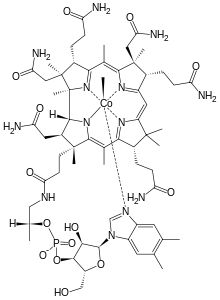
Vit B12 (as Methylcobalamin)
Scientific Name:
Methylcobalamin
Overview:
Methylcobalamin is a methylated and active form of vitamin b12 (cobalamin) with strong neuroprotective and anti-aging effects. Methylcobalamin’s effects include improved memory and executive function, as well as enhanced focus.
Scientific Name:
Methylcobalamin
Mechanisms:
Acts as a cofactor for a number of enzymes and provides functional support for neurons[1]
Improves neuronal regenerative capacity and reduces neurotoxicity[2]
Can decrease neuropathy and neuropathic pain[3]
Removes excessive homocysteine in the brain – main cause of vascular degeneration[1]
Upregulates S-adenosylmethionine production[4]
Improves memory, concentration, executive function, and motor control[5]
Prevents age-associated cognitive decline[6]
Anxiolytic effect[7]
References
[1] O’Leary F, Samman S (2010). Vitamin B12 in health and disease. Nutrients, 2(3):299-316. doi: 10.3390/nu2030299
[2] Kennedy DO (2016). B Vitamins and the Brain: Mechanisms, Dose and Efficacy–A Review. Nutrients, 8(2):68. doi: 10.3390/nu8020068
[3] Zhang M, et al (2013). Methylcobalamin: a potential vitamin of pain killer. Neural Plast, 2013:424651. doi: 10.1155/2013/424651
[4] Tiemeier H, et al (2002). Vitamin B12, folate, and homocysteine in depression: the Rotterdam Study. Am J Psychiatry, 159(12):2099-101. doi: 10.1176/appi.ajp.159.12.2099
[5] Rathod R, et al (2016). Novel insights into the effect of vitamin B₁₂ and omega-3 fatty acids on brain function. J Biomed Sci, 23:17. doi: 10.1186/s12929-016-0241-8
[6] Smith AD, Refsum H (2009). Vitamin B-12 and cognition in the elderly. Am J Clin Nutr, 89(2):707S-11S. doi: 10.3945/ajcn.2008.26947D
[7] Long SJ, Benton D (2013). Effects of vitamin and mineral supplementation on stress, mild psychiatric symptoms, and mood in nonclinical samples: a meta-analysis. Psychosom Med, 75(2):144-53. doi: 10.1097/PSY.0b013e31827d5fbd

Folate (as L-5'-methyltetrahydrofolate calcium salt)
L-5'-methyltetrahydrofolate (L-5-MTHF) is the primary biologically active form of folate or vitamin B9. Other forms of this vitamin include folic acid (used in food fortification and most supplements) and folinic acid (also called calcium folinate). Folates got their name from the Latin word for leaf (folium), because leafy green vegetables (e.g., lettuce, spinach) are one of the better food sources. Beans, lentils, nuts, and seeds are also good sources. L-5-MTHF is the folate form found in circulation and transported across the blood–brain barrier. Folate is critical for the production and maintenance of new cells, playing a key role in DNA expression and repair. Folate is a central player in a process called methylation or methyl donation. This process has widespread interactions with metabolic function. As an example, methylation is one of the main ways the expression of genes is changed to match our genes to diet, lifestyle and environment.*
TOP BENEFITS OF FOLATE
Supports genetic stability*
Supports production and maintenance of new cells*
Supports cardiovascular function*
QUALIA’S FOLATE SOURCING
In general, the folic acid used in food fortification and many supplements has high bioavailability (absorption is excellent). But it’s fully converted to metabolically active folates in the digestive tract and liver only when given at low-to-moderate doses (< 260 µg DFE*). Some folic acid might not be activated at higher doses (it goes into the blood as unmetabolized folic acid) [1,2]. It’s thought that unmetabolized folic acid in the blood, but not biologically active folates, might not be ideal for health [3–5]. Because of this, we opted to use the more metabolically active form L-5'-methyltetrahydrofolate. This form of folate also has the advantage of being better used by persons that have some gene variants affecting folate metabolism.
L-5'-methyltetrahydrofolate calcium salt is non-GMO, gluten-free, and vegan.
FOLATE FORMULATING PRINCIPLES AND RATIONALE
L-5'-methyltetrahydrofolate calcium salt follows a threshold dosing pattern (see Qualia Dosing Principles) where most of the functional benefits occur at amounts close to the advised intake (400 µg DFE‡ for non-pregnant adults). When used as a nootropic, servings of up to 500 µg are used by neurohackers. Since there’s some contribution of folates from the diet (partly through food fortification with folic acid), our serving is selected to ensure that the combination of what we provide, and what’s found even in a diet that’s low in folates, will provide at least the advised intake, but not an excessive amount of folates.
‡DFE stands for dietary folate equivalents.*
FOLATE KEY MECHANISMS
Supports cellular function*
Folate coenzymes mediate the transfer of one-carbon units (one-carbon metabolism)* [6,7]
Folate coenzymes act as cofactors for several enzymes involved in key metabolic pathways, specifically in nucleic acid (DNA and RNA) and amino acid metabolism* [6,7]
Methyltetrahydrofolate is used by the cytosolic enzyme methionine synthase to generate methionine and tetrahydrofolate from homocysteine* [6,7]
Methionine is required for the synthesis of S-adenosylmethionine (SAMe), a methyl group donor used in many biological methylation reactions* [6,7]
Methionine synthase is essential for the methylation of nucleic acids (DNA and RNA) and proteins* [6,7]
Adequate folate status is needed to maintain NAD+ levels* [8–10]
Supports brain function*
Supports healthy cognitive function in older adults* [11–16]
Supports neurotransmitter synthesis (e.g., dopamine, norepinephrine, serotonin)* [17,18]
Supports healthy blood-brain barrier function* [19]
Supports neuroprotective and neuronal repair functions* [20–25]
Supports a healthy mood and positive outlook* [26–30]
Complementary ingredients*
Vitamin B6 and vitamin B12 in supporting healthy homocysteine levels* [31–33]
Vitamin B12 - The main safety concern associated with high doses of folic acid supplementation is that it might mask a vitamin B12 deficiency. Because of this, vitamin B12 is often given in combination with folic acid, especially if higher amounts of folic acid or other folates are used.*
Methyl Donors - Key methyl donor nutrients include trimethylglycine (betaine), folates, vitamin B6, vitamin B12, and S-adenosylmethionine: One or more of these nutrients are often given together.*
*These statements have not been evaluated by the Food and Drug Administration. This product is not intended to diagnose, treat, cure, or prevent any disease.
REFERENCES
[1]P. Kelly, J. McPartlin, M. Goggins, D.G. Weir, J.M. Scott, Am. J. Clin. Nutr. 65 (1997) 1790–1795.
[2]M.R. Sweeney, J. McPartlin, J. Scott, BMC Public Health 7 (2007) 41.
[3]M.S. Morris, P.F. Jacques, I.H. Rosenberg, J. Selhub, Am. J. Clin. Nutr. 91 (2010) 1733–1744.
[4]K.E. Christensen, L.G. Mikael, K.-Y. Leung, N. Lévesque, L. Deng, Q. Wu, O.V. Malysheva, A. Best, M.A. Caudill, N.D.E. Greene, R. Rozen, Am. J. Clin. Nutr. 101 (2015) 646–658.
[5]A.M. Troen, B. Mitchell, B. Sorensen, M.H. Wener, A. Johnston, B. Wood, J. Selhub, A. McTiernan, Y. Yasui, E. Oral, J.D. Potter, C.M. Ulrich, J. Nutr. 136 (2006) 189–194.
[6]J.M. Berg, J.L. Tymoczko, G.J. Gatto, L. Stryer, eds., Biochemistry, 8th ed, W.H. Freeman and Company, 2015.
[7]O. Stanger, Curr. Drug Metab. 3 (2002) 211–223.
[8]I.G. Beraia, Vopr. Pitan. (1984) 36–38.
[9]S.J. James, L. Yin, M.E. Swendseid, J. Nutr. 119 (1989) 661–664.
[10]S.M. Henning, M.E. Swendseid, W.F. Coulson, The Journal of Nutrition 127 (1997) 30–36.
[11]F. Ma, X. Zhou, Q. Li, J. Zhao, A. Song, P. An, Y. Du, W. Xu, G. Huang, Curr. Alzheimer Res. 16 (2019) 622–632.
[12]H. Chen, S. Liu, L. Ji, T. Wu, Y. Ji, Y. Zhou, M. Zheng, M. Zhang, W. Xu, G. Huang, Mediators Inflamm. 2016 (2016) 5912146.
[13]F. Ma, Q. Li, X. Zhou, J. Zhao, A. Song, W. Li, H. Liu, W. Xu, G. Huang, Eur. J. Nutr. 58 (2019) 345–356.
[14]F. Ma, T. Wu, J. Zhao, F. Han, A. Marseglia, H. Liu, G. Huang, J. Gerontol. A Biol. Sci. Med. Sci. 71 (2016) 1376–1383.
[15]J. Durga, M.P.J. van Boxtel, E.G. Schouten, F.J. Kok, J. Jolles, M.B. Katan, P. Verhoef, Lancet 369 (2007) 208–216.
[16]J.G. Walker, P.J. Batterham, A.J. Mackinnon, A.F. Jorm, I. Hickie, M. Fenech, M. Kljakovic, D. Crisp, H. Christensen, Am. J. Clin. Nutr. 95 (2012) 194–203.
[17]S.M. Stahl, J. Clin. Psychiatry 69 (2008) 1352–1353.
[18]A.L. Miller, Altern. Med. Rev. 13 (2008) 216–226.
[19]P.J. Stover, J. Durga, M.S. Field, Curr. Opin. Biotechnol. 44 (2017) 146–152.
[20]Y. Lin, A. Desbois, S. Jiang, S.T. Hou, Neuroreport 15 (2004) 2241–2244.
[21]H.-L. Yu, L. Li, X.-H. Zhang, L. Xiang, J. Zhang, J.-F. Feng, R. Xiao, Br. J. Nutr. 102 (2009) 655–662.
[22]F.S. Quan, X.F. Yu, Y. Gao, W.Z. Ren, Genet. Mol. Res. 14 (2015) 12466–12471.
[23]I.I. Kruman, T.S. Kumaravel, A. Lohani, W.A. Pedersen, R.G. Cutler, Y. Kruman, N. Haughey, J. Lee, M. Evans, M.P. Mattson, J. Neurosci. 22 (2002) 1752–1762.
[24]G. Kronenberg, C. Harms, R.W. Sobol, F. Cardozo-Pelaez, H. Linhart, B. Winter, M. Balkaya, K. Gertz, S.B. Gay, D. Cox, S. Eckart, M. Ahmadi, G. Juckel, G. Kempermann, R. Hellweg, R. Sohr, H. Hörtnagl, S.H. Wilson, R. Jaenisch, M. Endres, J. Neurosci. 28 (2008) 7219–7230.
[25]B.J. Iskandar, A. Nelson, D. Resnick, J.H.P. Skene, P. Gao, C. Johnson, T.D. Cook, N. Hariharan, Ann. Neurol. 56 (2004) 221–227.
[26]W. Zheng, W. Li, H. Qi, L. Xiao, K. Sim, G.S. Ungvari, X.-B. Lu, X. Huang, Y.-P. Ning, Y.-T. Xiang, J. Affect. Disord. 267 (2020) 123–130.
[27]D. Mischoulon, M.F. Raab, J. Clin. Psychiatry 68 Suppl 10 (2007) 28–33.
[28]M.J. Taylor, S. Carney, J. Geddes, G. Goodwin, Cochrane Database Syst. Rev. (2003) CD003390.
[29]J.E. Alpert, M. Fava, Nutr. Rev. 55 (1997) 145–149.
[30]S.N. Young, A.M. Ghadirian, Prog. Neuropsychopharmacol. Biol. Psychiatry 13 (1989) 841–863.
[31]J. Selhub, Annu. Rev. Nutr. 19 (1999) 217–246.
[32]E. Lonn, S. Yusuf, M.J. Arnold, P. Sheridan, J. Pogue, M. Micks, M.J. McQueen, J. Probstfield, G. Fodor, C. Held, J. Genest Jr, Heart Outcomes Prevention Evaluation (HOPE) 2 Investigators, N. Engl. J. Med. 354 (2006) 1567–1577.
[33]D. Serapinas, E. Boreikaite, A. Bartkeviciute, R. Bandzeviciene, M. Silkunas, D. Bartkeviciene, Reprod. Toxicol. 72 (2017) 159–163.

B-Complex Vitamins
COMMON NAME
B-complex vitamins
TOP BENEFITS OF B-COMPLEX VITAMINS
Supports energy metabolism*
Supports brain health and cognitive function*
Supports cardiometabolic health*
Supports general health and well-being*
WHAT IS B-COMPLEX VITAMINS FROM SACCHAROMYCES CEREVISIAE CULTURE?
B-Complex Vitamins from Saccharomyces cerevisiae culture is an inactivated yeast that contains standardized amounts of all eight B vitamins—thiamine (B1), riboflavin (B2), niacin (B3), pantothenic acid (B5), pyridoxine (B6), biotin (B7), folic acid (B9), and cobalamin (B12). B vitamins have essential roles in cellular metabolism and energy production. Every B vitamin is either a cofactor or a precursor for a cofactor for a key metabolic process. B vitamins are essential for the generation of cell energy as ATP in mitochondria. ATP is the molecule that powers all the cellular processes that require energy, from building new molecules and repairing tissues to powering muscle contraction and sustaining neuronal activity. Saccharomyces cerevisiae is commonly found in food. It is also known as baker's yeast when it’s used to leaven bread, as brewer’s yeast when it’s used to brew beer, and as nutritional yeast when it’s used as a food product.*
NEUROHACKER’S B-COMPLEX VITAMINS FROM SACCHAROMYCES CEREVISIAE CULTURE SOURCING
B-Complex Vitamins from Saccharomyces cerevisiae culture is a fermented, and then inactivated dried whole-cell yeast containing standardized amounts of all eight B-complex vitamins.
Although yeast is naturally rich in B-vitamins, during fermentation, standardized levels of B-complex vitamins are added to further increase the content.
This ingredient is non-GMO, clean label, gluten-free and vegan.
B-COMPLEX VITAMINS FROM SACCHAROMYCES CEREVISIAE CULTURE FORMULATING PRINCIPLES AND RATIONALE
We chose a B-vitamin-enriched postbiotic yeast (Saccharomyces cerevisiae) to deliver fermented, more bioavailable B vitamins in a food matrix. During the fermentation process, the yeast is supplemented with specific levels of B vitamins, allowing the B vitamins to interact with, and be incorporated into the yeast. And the gentle processing of the yeast preserves the minerals, ß-glucans, peptides, and nucleotides that naturally occur in nutritional yeasts. Supplying the B-vitamins in this form also means that the vitamins occur in the forms they would in metabolic pathways in our cells. A serving of Qualia NAD+ is intended to augment the B vitamin content of the diet, supplying between 28-125% of the daily value, depending on the B vitamin.*
B-COMPLEX VITAMINS KEY MECHANISMS
Vitamin B1 |Thiamine
Supports energy metabolism* [1]
Cofactor in the pyruvate dehydrogenase complex* [1]
Cofactor in the pentose phosphate pathway* [1]
Supports antioxidant defenses* [1]
Supports healthy brain function* [1]
May help counter the production of advanced glycation end-products (AGEs)* [2,3]
Supports healthy blood pressure* [4]
Supports healthy blood glucose levels* [5]
Vitamin B2 | Riboflavin
Supports mitochondrial energy (ATP) production* [6,7]
Supports NAD+ production* [8]
Supports vitamin metabolism* [6,9]
Supports antioxidant defenses* [6,10,11]
Vitamin B3 | Niacin
Precursor of NADH/NAD+ (nicotinamide adenine dinucleotide)* [12]
Supports breakdown of sugars and fats for energy* [12]
Supports mitochondrial production of ATP* [12,13]
Precursor of NADPH/NADP+ (nicotinamide adenine dinucleotide phosphate)* [12]
Supports cytochrome P450 enzymes that detoxify xenobiotics* [14]
Supports antioxidant defenses* [15]
Influences senescence, cell proliferation, apoptosis* [12]
NAD+ is a substrate for sirtuins (SIRT1 to SIRT7), which promote healthspan* [16]
NAD+ is a substrate for poly(ADP-ribose) polymerase-1 (PARP-1), which is involved in DNA repair and essential for genome stability* [16,17]
NAD+ supports mitochondrial function* [18,19]
NAD+ supports stem cell function* [19]
Supports neuroprotective functions* [20,21]
Supports healthy cardiovascular function* [22–27]
Vitamin B5 | Pantothenic acid
Required for the synthesis of coenzyme A (CoA)* [28]
Coenzyme A is a cofactor in several important cellular metabolic pathways* [29]
Coenzyme A has a key role in energy metabolism, especially the conversion of sugars and fats into energy* [30]
Coenzyme A is required for the synthesis of the neurotransmitter acetylcholine* [31]
Supports healthy adrenal function* [32–38]
Vitamin B6 | Pyridoxine
Cofactor in about 100 essential enzyme reactions, including enzymes of glucose, fatty acid, and amino acid metabolism* [39]
Cofactor in the kynurenine pathway; required for the synthesis of NAD+ from tryptophan* [8]
Cofactor in the synthesis of heme, an iron-containing molecule found in hemoglobin* [40]
Cofactor for the enzyme aromatic L-amino acid decarboxylase, which catalyzes the synthesis of serotonin from 5-hydroxytryptophan (5-HTP) and dopamine from L-3,4-dihydroxyphenylalanine (L-DOPA)* [41–45]
Supports the synthesis of noradrenaline* [44], melatonin* [45], and GABA* [46–51]
Supports the synthesis of neurotransmitters involved in memory, executive function, mood regulation, focus, motivation, and sleep regulation* [52]
Supports healthy immune function* [53–59]
Vitamin B7 | Biotin
Biotin-dependent enzymes have important roles in pathways associated with gluconeogenesis, lipid catabolism, and branched chain amino acid catabolism* [60–62]
Biotin regulates chromatin structure and gene expression* [60,61]
Supports nail and hair health* [63–66]
Vitamin B9 | Folic acid
Folate coenzymes mediate the transfer of one-carbon units (one-carbon metabolism)* [7,67]
Folate coenzymes act as cofactors for several enzymes involved in key metabolic pathways, specifically in nucleic acid (DNA and RNA) and amino acid metabolism* [7,67]
Methyltetrahydrofolate is used by the cytosolic enzyme methionine synthase to generate methionine and tetrahydrofolate from homocysteine* [7,67]
Methionine is required for the synthesis of S-adenosylmethionine (SAMe), a methyl group donor used in many biological methylation reactions* [7,67]
Methionine synthase is essential for the methylation of nucleic acids (DNA and RNA) and proteins* [7,67]
Adequate folate status is needed to maintain NAD+ levels* [68–70]
Supports cardiovascular and cerebrovascular function* [71–73]
Vitamin B12 | Cobalamin
Supports the citric acid cycle (i.e., Krebs cycle) – cell energy metabolism* [7,74]
Supports healthy cardiovascular and cerebrovascular function* [71–73]
Supports methionine synthase activity (one-carbon metabolism)* [7,74]
Supports healthy vision* [75–79]
Supports a healthy gut microbiome* [80,81]
*These statements have not been evaluated by the Food and Drug Administration. This product is not intended to diagnose, treat, cure, or prevent any disease.
REFERENCES
[1]D.A. Bender, in: Nutritional Biochemistry of the Vitamins, Cambridge University Press, 2003, pp. 148–171.
[2]S. Kousar, M.A. Sheikh, M. Asghar, J. Pak. Med. Assoc. 62 (2012) 1033–1038.
[3]N. Karachalias, R. Babaei-Jadidi, C. Kupich, N. Ahmed, P.J. Thornalley, Ann. N. Y. Acad. Sci. 1043 (2005) 777–783.
[4]F. Alaei-Shahmiri, M.J. Soares, Y. Zhao, J. Sherriff, Diabetes Metab. Syndr. 9 (2015) 213–217.
[5]F. Alaei Shahmiri, M.J. Soares, Y. Zhao, J. Sherriff, Eur. J. Nutr. 52 (2013) 1821–1824.
[6]A. Saedisomeolia, M. Ashoori, Adv. Food Nutr. Res. 83 (2018) 57–81.
[7]J.M. Berg, J.L. Tymoczko, G.J. Gatto, L. Stryer, eds., Biochemistry, 8th ed, W.H. Freeman and Company, 2015.
[8]A.A.-B. Badawy, Int. J. Tryptophan Res. 10 (2017) 1178646917691938.
[9]C. Kutzbach, E.L. Stokstad, Biochim. Biophys. Acta 250 (1971) 459–477.
[10]N. Couto, J. Wood, J. Barber, Free Radic. Biol. Med. 95 (2016) 27–42.
[11]R.L. Fagan, B.A. Palfey, in: H.-W. (ben) Liu, L. Mander (Eds.), Comprehensive Natural Products II, Elsevier, Oxford, 2010, pp. 37–113.
[12]A.A. Sauve, J. Pharmacol. Exp. Ther. 324 (2008) 883–893.
[13]N. Pollak, C. Dölle, M. Ziegler, Biochem. J 402 (2007) 205–218.
[14]A.V. Pandey, C.E. Flück, Pharmacol. Ther. 138 (2013) 229–254.
[15]G. Filomeni, G. Rotilio, M.R. Ciriolo, Biochem. Pharmacol. 64 (2002) 1057–1064.
[16]A.R. Mendelsohn, J.W. Larrick, Rejuvenation Res. 20 (2017) 244–247.
[17]J.B. Kirkland, Nutr. Cancer 46 (2003) 110–118.
[18]L. Mouchiroud, R.H. Houtkooper, N. Moullan, E. Katsyuba, D. Ryu, C. Cantó, A. Mottis, Y.-S. Jo, M. Viswanathan, K. Schoonjans, L. Guarente, J. Auwerx, Cell 154 (2013) 430–441.
[19]H. Zhang, D. Ryu, Y. Wu, K. Gariani, X. Wang, P. Luan, D. D’Amico, E.R. Ropelle, M.P. Lutolf, R. Aebersold, K. Schoonjans, K.J. Menzies, J. Auwerx, Science 352 (2016) 1436–1443.
[20]J. Chen, X. Cui, A. Zacharek, H. Jiang, C. Roberts, C. Zhang, M. Lu, A. Kapke, C.S. Feldkamp, M. Chopp, Ann. Neurol. 62 (2007) 49–58.
[21]A. Shehadah, J. Chen, A. Zacharek, Y. Cui, M. Ion, C. Roberts, A. Kapke, M. Chopp, Neurobiol. Dis. 40 (2010) 277–283.
[22]L.-H. Zhang, V.S. Kamanna, S.H. Ganji, X.-M. Xiong, M.L. Kashyap, J. Lipid Res. 53 (2012) 941–950.
[23]J.W.A. van der Hoorn, W. de Haan, J.F.P. Berbée, L.M. Havekes, J.W. Jukema, P.C.N. Rensen, H.M.G. Princen, Arterioscler. Thromb. Vasc. Biol. 28 (2008) 2016–2022.
[24]Y. Si, Y. Zhang, J. Zhao, S. Guo, L. Zhai, S. Yao, H. Sang, N. Yang, G. Song, J. Gu, S. Qin, Mediators Inflamm. 2014 (2014) 263786.
[25]E. Fabbrini, B.S. Mohammed, K.M. Korenblat, F. Magkos, J. McCrea, B.W. Patterson, S. Klein, J. Clin. Endocrinol. Metab. 95 (2010) 2727–2735.
[26]F.Y. Jin, V.S. Kamanna, M.L. Kashyap, Arterioscler. Thromb. Vasc. Biol. 19 (1999) 1051–1059.
[27]M. Hernandez, S.D. Wright, T.-Q. Cai, Biochem. Biophys. Res. Commun. 355 (2007) 1075–1080.
[28]A.G. Tahiliani, C.J. Beinlich, in: G.D. Aurbach (Ed.), Vitamins & Hormones, Academic Press, 1991, pp. 165–228.
[29]R. Leonardi, Y.-M. Zhang, C.O. Rock, S. Jackowski, Prog. Lipid Res. 44 (2005) 125–153.
[30]F. Pietrocola, L. Galluzzi, J.M. Bravo-San Pedro, F. Madeo, G. Kroemer, Cell Metab. 21 (2015) 805–821.
[31]S.K. Fisher, S. Wonnacott, in: S.T. Brady, G.J. Siegel, R.W. Albers, D.L. Price (Eds.), Basic Neurochemistry (Eighth Edition), Academic Press, New York, 2012, pp. 258–282.
[32]L. Pan, S. Jaroenporn, T. Yamamoto, K. Nagaoka, I. Azumano, M. Onda, G. Watanabe, K. Taya, Reprod. Med. Biol. 11 (2012) 101–104.
[33]S. Jaroenporn, T. Yamamoto, A. Itabashi, K. Nakamura, I. Azumano, G. Watanabe, K. Taya, Biol. Pharm. Bull. 31 (2008) 1205–1208.
[34]P.E. Schwabedal, K. Pietrzik, W. Wittkowski, Cardiology 72 Suppl 1 (1985) 187–189.
[35]K. Pietrzik, C. Hesse, D. Hötzel, Int. J. Vitam. Nutr. Res. 45 (1975) 251–261.
[36]B.B. Longwell, A.E. Reif, E. Hansbury, Endocrinology 62 (1958) 565–572.
[37]A.B. Eisenstein, Endocrinology 60 (1957) 298–302.
[38]E.P. Ralli, M.E. Dumm, Vitam. Horm. 11 (1953) 133–158.
[39]Linus Pauling Institute Oregon State University, (n.d.).
[40]G.A. Hunter, G.C. Ferreira, Biochim. Biophys. Acta 1814 (2011) 1467–1473.
[41]G. Delitala, A. Masala, S. Alagna, L. Devilla, J. Clin. Endocrinol. Metab. 42 (1976) 603–606.
[42]D.G. Mappouras, J. Stiakakis, E.G. Fragoulis, Mol. Cell. Biochem. 94 (1990) 147–156.
[43]G.F.G. Allen, V. Neergheen, M. Oppenheim, J.C. Fitzgerald, E. Footitt, K. Hyland, P.T. Clayton, J.M. Land, S.J.R. Heales, J. Neurochem. 114 (2010) 87–96.
[44]M.E. Gnegy, in: S.T. Brady, G.J. Siegel, R.W. Albers, D.L. Price (Eds.), Basic Neurochemistry (Eighth Edition), Academic Press, New York, 2012, pp. 283–299.
[45]J.G. Hensler, in: S.T. Brady, G.J. Siegel, R.W. Albers, D.L. Price (Eds.), Basic Neurochemistry (Eighth Edition), Academic Press, New York, 2012, pp. 300–322.
[46]T.S. Rajeswari, E. Radha, Exp. Gerontol. 19 (1984) 87–93.
[47]M. Díaz-Muñoz, R. Tapia, J. Neurosci. Res. 20 (1988) 376–382.
[48]V.V. Tsybul’skiĭ, E.R. Nagiev, Radiobiologiia 31 (1991) 201–208.
[49]O.A.C. Petroff, Neuroscientist 8 (2002) 562–573.
[50]D.Y. Yoo, W. Kim, D.W. Kim, K.-Y. Yoo, J.Y. Chung, H.Y. Youn, Y.S. Yoon, S.Y. Choi, M.-H. Won, I.K. Hwang, Neurochem. Res. 36 (2011) 713–721.
[51]Y. Huang, L. Su, J. Wu, PLoS One 11 (2016) e0157466.
[52]M. Ebadi, Neurochem. Int. 3 (1981) 181–205.
[53]M.C. Talbott, L.T. Miller, N.I. Kerkvliet, Am. J. Clin. Nutr. 46 (1987) 659–664.
[54]S.N. Meydani, J.D. Ribaya-Mercado, American Journal of … (1991).
[55]K. Folkers, M. Morita, J. McRee Jr, Biochem. Biophys. Res. Commun. 193 (1993) 88–92.
[56]S. Doke, N. Inagaki, T. Hayakawa, H. Tsuge, Biosci. Biotechnol. Biochem. 61 (1997) 1331–1336.
[57]H.-K. Kwak, C.M. Hansen, J.E. Leklem, K. Hardin, T.D. Shultz, J. Nutr. 132 (2002) 3308–3313.
[58]C.-H. Cheng, S.-J. Chang, B.-J. Lee, K.-L. Lin, Y.-C. Huang, Eur. J. Clin. Nutr. 60 (2006) 1207–1213.
[59]C. Kobayashi, K. Kurohane, Y. Imai, Biol. Pharm. Bull. 35 (2012) 532–538.
[60]L. Riveron-Negrete, C. Fernandez-Mejia, Mini Rev. Med. Chem. 17 (2017) 529–540.
[61]D.M. Mock, J. Nutr. 147 (2017) 1487–1492.
[62]L. Tong, Cell. Mol. Life Sci. 70 (2013) 863–891.
[63]V.E. Colombo, F. Gerber, M. Bronhofer, G.L. Floersheim, J. Am. Acad. Dermatol. 23 (1990) 1127–1132.
[64]G.L. Floersheim, Z. Hautkr. 64 (1989) 41–48.
[65]L.G. Hochman, R.K. Scher, M.S. Meyerson, Cutis 51 (1993) 303–305.
[66]D.P. Patel, S.M. Swink, L. Castelo-Soccio, Skin Appendage Disord 3 (2017) 166–169.
[67]O. Stanger, Curr. Drug Metab. 3 (2002) 211–223.
[68]I.G. Beraia, Vopr. Pitan. (1984) 36–38.
[69]S.J. James, L. Yin, M.E. Swendseid, J. Nutr. 119 (1989) 661–664.
[70]S.M. Henning, M.E. Swendseid, W.F. Coulson, The Journal of Nutrition 127 (1997) 30–36.
[71]J. Selhub, Annu. Rev. Nutr. 19 (1999) 217–246.
[72]E. Lonn, S. Yusuf, M.J. Arnold, P. Sheridan, J. Pogue, M. Micks, M.J. McQueen, J. Probstfield, G. Fodor, C. Held, J. Genest Jr, Heart Outcomes Prevention Evaluation (HOPE) 2 Investigators, N. Engl. J. Med. 354 (2006) 1567–1577.
[73]D. Serapinas, E. Boreikaite, A. Bartkeviciute, R. Bandzeviciene, M. Silkunas, D. Bartkeviciene, Reprod. Toxicol. 72 (2017) 159–163.
[74]F. O’Leary, S. Samman, Nutrients 2 (2010) 299–316.
[75]E.M. Chester, D.P. Agamanolis, J.W. Harris, M. Victor, J.D. Hines, J.A. Kark, Acta Neurol. Scand. 61 (1980) 9–26.
[76]S.S. Reddy, Y.K. Prabhakar, C.U. Kumar, P.Y. Reddy, G.B. Reddy, Mol. Vis. 26 (2020) 311–325.
[77]J. Guo, S. Ni, Q. Li, J.-Z. Wang, Y. Yang, Neurosci. Bull. 35 (2019) 325–335.
[78]O.P. Anand, Delhi Journal of Ophthalmology 29 (2019).
[79]Y. Yamazaki, F. Hayamizu, C. Tanaka, Curr. Ther. Res. Clin. Exp. 61 (2000) 443–451.
[80]Y. Xu, S. Xiang, K. Ye, Y. Zheng, X. Feng, X. Zhu, J. Chen, Y. Chen, Front. Microbiol. 9 (2018) 2780.
[81]X. Zhu, S. Xiang, X. Feng, H. Wang, S. Tian, Y. Xu, L. Shi, L. Yang, M. Li, Y. Shen, J. Chen, Y. Chen, J. Han, J. Agric. Food Chem. 67 (2019) 916–926.

Niacinamide (Vitamin B3)
Niacinamide (vitamin B3) is part of the B complex—a group of water-soluble vitamins that play important roles in cellular metabolism and energy production. It is called B3 because it was the third of the B complex vitamins to be discovered. It is on the World Health Organization's List of Essential Medicines, the most effective and safe medicines needed in a health system, because of its ability to prevent pellagra, the vitamin B3 deficiency disease. Unlike the “flushing” niacin (nicotinic acid) form of vitamin B3, niacinamide does not cause flushing. Compounds with niacin activity are defined by their ability to contribute the nicotinamide (i.e., niacinamide) unit of an important molecule called NAD. NAD is found in every cell in the body. It's used to (1) make cellular energy (ATP), (2) protect cells from damage, and (3) activate processes linked to healthier aging. Research shows that as we age levels of some NAD metabolites (NAD+ as an example) decline substantially. This decline leaves us at greater risk for unhealthy aging because without sufficient NAD+ cells aren't able to do the work needed to perform at their best. Many healthy aging scientists and doctors believe maintaining higher levels of NAD+ is one of the keys to increasing the amount of time we spend in good health.*
Top Benefits of Niacinamide
Supports energy metabolism*
Supports antioxidant defenses*
Supports healthy aging and longevity*
Qualia’s Niacinamide Sourcing
Niacinamide is a non-GMO, gluten-free, and vegan ingredient.
Niacinamide Formulating Principles and Rationale
Vitamin B3, no matter the form, is subject to a dosing threshold (see Qualia Dosing Principles), which means, while more might be better within a low to moderate range, very high amounts would be unlikely to add significant additional nutritional or functional benefits for most people but could increase the risk of unwanted responses. As amounts of vitamin B3 increase, more gets wasted because it’s eliminated in the urine. This “wasting” increases as the serving escalates. For the niacinamide (i.e., non-flushing) form of vitamin B3, we think it’s important to consider the amount where a big increase in urinary elimination starts to occur and select a serving in this range (as opposed to substantially above it). Rather than trying to push the pathway that produces NAD with niacinamide alone, we think a better way, and a way that fits with complex systems science, is stacking it with other ingredients that support NAD production and recycling.*
Niacinamide Key Mechanisms
Precursor of NADH/NAD+ (nicotinamide adenine dinucleotide)*
Supports breakdown of sugars and fats for energy* [1]
Supports mitochondrial production of ATP* [1]
NADH is part of complex I NADH/coenzyme Q reductase) of the mitochondrial electron transport chain* [2]
Precursor of NADPH/NADP+ (nicotinamide adenine dinucleotide phosphate)*
NADPH is a key cofactor for cytochrome P450 enzymes that detoxify xenobiotics* [3]
NADPH is a cofactor for glutathione reductase, which maintains the levels of reduced glutathione - confers protection against oxidative stress* [4]
Essential for the functioning of a wide range of enzymes involved in redox reactions* [1]
Supports healthy aging and longevity*
Influences senescence, cell proliferation, and apoptosis* [1]
NAD+ is a substrate for sirtuins (SIRT1 to SIRT7), which promote healthspan* [5]
NAD+ is a substrate for poly(ADP-ribose) polymerase-1 (PARP-1), which is involved in DNA repair and essential for genome stability* [5,6]
NAD+ supports mitochondrial function* [7,8]
NAD+ supports stem cell function* [8]
Supports neuroprotective functions* [9,10]
*These statements have not been evaluated by the Food and Drug Administration. This product is not intended to diagnose, treat, cure, or prevent any disease.
REFERENCES
[1] A. A. Sauve, J. Pharmacol. Exp. Ther. 324, 883–893 (2008).
[2] N. Pollak, C. Dölle, M. Ziegler, Biochem. J. 402, 205–218 (2007).
[3] A. V. Pandey, C. E. Flück, Pharmacol. Ther. 138, 229–254 (2013).
[4] G. Filomeni, G. Rotilio, M. R. Ciriolo, Biochem. Pharmacol. 64, 1057–1064 (2002).
[5] A. R. Mendelsohn, J. W. Larrick, Rejuvenation Res. 20, 244–247 (2017).
[6] J. B. Kirkland, Nutr. Cancer. 46, 110–118 (2003).
[7] L. Mouchiroud et al., Cell. 154, 430–441 (2013).
[8] H. Zhang et al., Science. 352, 1436–1443 (2016).
[9] P. K. Shetty, F. Galeffi, D. A. Turner, Neurobiol. Dis. 62, 469–478 (2014).
[10] M. R. Hoane, D. R. Gilbert, M. A. Holland, J. L. Pierce, Neurosci. Lett. 408, 35–39 (2006).

NIAGEN® Nicotinamide Riboside Chloride
NIAGEN® Nicotinamide Riboside is a patented, clinically studied, next-generation vitamin B3. It differs from niacin and niacinamide (the first-generation forms of vitamin B3) because it contains more of the full NAD molecule and is metabolized into NAD+ differently. Vitamin B3 is part of the B complex—a group of water-soluble vitamins that play important roles in cellular metabolism and energy production. It is called B3 because it was the third of the B complex vitamins to be discovered. It is on the World Health Organization's List of Essential Medicines, the most effective and safe medicines needed in a health system, because of its ability to prevent pellagra, the vitamin B3 deficiency disease. Compounds with niacin activity are defined by their ability to contribute to the nicotinamide (i.e., niacinamide) unit of an important molecule called NAD. NAD is found in every cell in the body. It's used to (1) make cellular energy (ATP), (2) protect cells from damage, and (3) activate processes linked to healthier aging. Research shows that as we age levels of some NAD metabolites (NAD+ as an example) decline substantially. This decline leaves us at greater risk for unhealthy aging because without sufficient NAD+ cells aren't able to do the work needed to perform at their best. Many healthy aging scientists and doctors believe maintaining higher levels of NAD+ is one of the keys to increasing the amount of time we spend in good health.*
TOP BENEFITS OF NICOTINAMIDE RIBOSIDE
Helps enhance healthy NAD+ levels *
Supports energy metabolism *
Supports healthy aging *
QUALIA’S NICOTINAMIDE RIBOSIDE SOURCING
NIAGEN® has been used in more than 2 dozen human clinical studies.
NIAGEN® is non-GMO, gluten-free, vegan, Kosher and Halal certified.
NIAGEN® is a registered trademark of ChromaDex, Inc., USA.
NICOTINAMIDE RIBOSIDE FORMULATING PRINCIPLES AND RATIONALE
We use NIAGEN® because it is the most studied form of nicotinamide riboside. Over 75% of registered ongoing or completed nicotinamide riboside scientific trials use NIAGEN®. It has been by far the most studied ingredient when it comes to increasing the levels of NAD+ in humans. And, more than two-dozen human studies have used NIAGEN®, with many more studies in the works. We included 300 mg of NIAGEN® in a serving of Qualia NAD+, because this amount has increased NAD+ levels by an average of 48% in healthy and overweight adults over an 8-week period in a placebo-controlled study [1].*
NICOTINAMIDE RIBOSIDE KEY MECHANISMS
Precursor of NADH/NAD+ (nicotinamide adenine dinucleotide)*
Supports breakdown of sugars and fats for energy* [2]
Supports mitochondrial production of ATP* [2]
NADH is part of complex I NADH/coenzyme Q reductase) of the mitochondrial electron transport chain* [3]
Precursor of NADPH/NADP+ (nicotinamide adenine dinucleotide phosphate)*
NADPH is a key cofactor for cytochrome P450 enzymes that detoxify xenobiotics* [4]
NADPH is a cofactor for glutathione reductase, which maintains the levels of reduced glutathione - confers protection against oxidative stress and is part of antioxidant defenses* [5]
Supports healthy aging*
Influences cellular life cycles and lifespan (e.g., supports senescence, cell proliferation, apoptosis)* [2]
NAD+ is a substrate for sirtuins (SIRT1 to SIRT7), which support healthspan* [6]
NAD+ is a substrate for poly(ADP-ribose) polymerase-1 (PARP-1), which is involved in DNA repair and essential for genome stability* [6,7]
NAD+ supports mitochondrial function* [8,9]
NAD+ supports stem cell function* [9]
*These statements have not been evaluated by the Food and Drug Administration. This product is not intended to diagnose, treat, cure, or prevent any disease.
REFERENCES
[1]D. Conze, C. Brenner, C.L. Kruger, Scientific Reports 9 (2019).
[2]A.A. Sauve, J. Pharmacol. Exp. Ther. 324 (2008) 883–893.
[3]N. Pollak, C. Dölle, M. Ziegler, Biochem. J 402 (2007) 205–218.
[4]A.V. Pandey, C.E. Flück, Pharmacol. Ther. 138 (2013) 229–254.
[5]G. Filomeni, G. Rotilio, M.R. Ciriolo, Biochem. Pharmacol. 64 (2002) 1057–1064.
[6]A.R. Mendelsohn, J.W. Larrick, Rejuvenation Res. 20 (2017) 244–247.
[7]J.B. Kirkland, Nutr. Cancer 46 (2003) 110–118.
[8]L. Mouchiroud, R.H. Houtkooper, N. Moullan, E. Katsyuba, D. Ryu, C. Cantó, A. Mottis, Y.-S. Jo, M. Viswanathan, K. Schoonjans, L. Guarente, J. Auwerx, Cell 154 (2013) 430–441.
[9]H. Zhang, D. Ryu, Y. Wu, K. Gariani, X. Wang, P. Luan, D. D’Amico, E.R. Ropelle, M.P. Lutolf, R. Aebersold, K. Schoonjans, K.J. Menzies, J. Auwerx, Science 352 (2016) 1436–1443.

Vitamin B6 (Pyridoxal-5-Phosphate)
Pyridoxal 5'-phosphate (P5P) is the active form of (vitamin B6), which is part of the B complex—a group of water-soluble vitamins that play important roles in cellular metabolism and energy production. The term vitamin B6 refers to six forms—pyridoxal, pyridoxamine, pyridoxine, and their phosphorylated forms. The P5P form is the bioactive form of vitamin B6: it requires less metabolic “work” to be used as coenzyme in vitamin B6-dependent enzyme reactions. The more common form of vitamin B6 used in dietary supplements, pyridoxine, must undergo metabolic transformation and requires ATP to be converted into P5P. P5P is a cofactor involved in over 4% of all enzymatic activities, including many metabolic pathways important for cellular energy generation [1]. Major functions of P5P include (1) metabolism of fats, sugars, and proteins, (2) neurotransmitter synthesis, (3) synthesis of the hemoglobin used in red blood cells, and (4) increasing and decreasing the expression of certain genes.*
Top Benefits of Pyridoxal 5'-phosphate
Supports energy metabolism*
Supports brain function*
Supports general immune health*
Qualia’s Pyridoxal 5'-phosphate Sourcing
Pyridoxal 5'-phosphate (P5P) is our preferred form of vitamin B6, because it’s the active (i.e, coenzyme) form of the vitamin. The pyridoxine form requires ATP to be “activated.” In general, we think it’s a good idea to conserve ATP for more important uses in our cells and tissues.
Pyridoxal 5'-phosphate sourcing is focused on identifying and purchasing from a reputable supplier and ensuring it’s NON-GMO, gluten-free, and vegan.
Pyridoxal 5'-phosphate Formulating Principles and Rationale
Vitamin B6, no matter the form, is subject to a dosing threshold (see Qualia Dosing Principles), which means, while more might be better within a low to moderate range, very high amounts would be unlikely to add significant additional nutritional or functional benefits for most people but could increase the risk of unwanted responses. Our goal in formulating products is to make sure that vitamin B6 amounts will be comfortably below the levels where risk for unwanted responses exists, even if several of our products with vitamin B6 are used together. In general, we tend to include vitamin B6 at higher amounts in formulations where it would be used to support neurotransmitter production, and lower levels when we are using it to complement a full B complex stack. The main role of vitamin B6 in the body is as a coenzyme for metabolic reactions. It is important to have sufficient amounts of vitamin B6 in the diet to allow proper functioning of these enzymes.*
Pyridoxal 5'-phosphate Key Mechanisms
Supports energy metabolism*
Cofactor in about 100 essential enzyme reactions, including enzymes of glucose, fatty acid, and amino acid metabolism* [2]
Cofactor in the kynurenine pathway; required for the synthesis of NAD+ from tryptophan* [3]
Supports hemoglobin synthesis*
Cofactor in the synthesis of heme, an iron-containing molecule found in hemoglobin* [4]
Supports brain function*
Cofactor for the enzyme aromatic L-amino acid decarboxylase, which catalyzes the synthesis of serotonin from 5-hydroxytryptophan (5-HTP) and dopamine from L-3,4-dihydroxyphenylalanine (L-DOPA)* [5–9]
Since dopamine is a precursor for noradrenaline, P5P is required for its synthesis [8]
Since serotonin is a precursor for melatonin, P5P is required for its synthesis* [9]
Supports glutamate decarboxylase (GAD) enzyme - GAD catalyzes the synthesis of gamma-aminobutyric acid (GABA) from glutamate* [10–15]
Supports gamma aminobutyric acid transaminase (GABA-T) enzyme - GABA-T catalyzes the breakdown of gamma-aminobutyric acid (GABA)* [10,12]
Participates in the metabolism of the neurotransmitters glycine, D-serine, and histamine* [16]
Supports the synthesis of neurotransmitters involved in memory, executive function, mood regulation, focus, motivation, and sleep regulation* [17]
May support aspects of dream recall (studies have been at doses ≥100 mg)* [18,19]
Supports healthy immune function*
Supports adaptive immunity* [20–26]
Supports immune system communication* [27]
Complementary ingredients*
Vitamin B12 and folic acid (vitamin B9) for homocysteine metabolism* [28–30], brain support* [31], mood* [32], and for general well-being* [33]
L-tryptophan and melatonin for sleep support* [34–38]
Magnesium, other B-complex vitamins, and melatonin supplementation for sleep support* [39]
*These statements have not been evaluated by the Food and Drug Administration. This product is not intended to diagnose, treat, cure, or prevent any disease.
REFERENCES
[1]J.M. Berg, J.L. Tymoczko, G.J. Gatto, L. Stryer, eds., Biochemistry, 8th ed, W.H. Freeman and Company, 2015.
[2]Linus Pauling Institute Oregon State University, (n.d.).
[3]A.A.-B. Badawy, Int. J. Tryptophan Res. 10 (2017) 1178646917691938.
[4]G.A. Hunter, G.C. Ferreira, Biochim. Biophys. Acta 1814 (2011) 1467–1473.
[5]G. Delitala, A. Masala, S. Alagna, L. Devilla, J. Clin. Endocrinol. Metab. 42 (1976) 603–606.
[6]D.G. Mappouras, J. Stiakakis, E.G. Fragoulis, Mol. Cell. Biochem. 94 (1990) 147–156.
[7]G.F.G. Allen, V. Neergheen, M. Oppenheim, J.C. Fitzgerald, E. Footitt, K. Hyland, P.T. Clayton, J.M. Land, S.J.R. Heales, J. Neurochem. 114 (2010) 87–96.
[8]M.E. Gnegy, in: S.T. Brady, G.J. Siegel, R.W. Albers, D.L. Price (Eds.), Basic Neurochemistry (Eighth Edition), Academic Press, New York, 2012, pp. 283–299.
[9]J.G. Hensler, in: S.T. Brady, G.J. Siegel, R.W. Albers, D.L. Price (Eds.), Basic Neurochemistry (Eighth Edition), Academic Press, New York, 2012, pp. 300–322.
[10]T.S. Rajeswari, E. Radha, Exp. Gerontol. 19 (1984) 87–93.
[11]M. Díaz-Muñoz, R. Tapia, J. Neurosci. Res. 20 (1988) 376–382.
[12]V.V. Tsybul’skiĭ, E.R. Nagiev, Radiobiologiia 31 (1991) 201–208.
[13]O.A.C. Petroff, Neuroscientist 8 (2002) 562–573.
[14]D.Y. Yoo, W. Kim, D.W. Kim, K.-Y. Yoo, J.Y. Chung, H.Y. Youn, Y.S. Yoon, S.Y. Choi, M.-H. Won, I.K. Hwang, Neurochem. Res. 36 (2011) 713–721.
[15]Y. Huang, L. Su, J. Wu, PLoS One 11 (2016) e0157466.
[16]P.T. Clayton, J. Inherit. Metab. Dis. 29 (2006) 317–326.
[17]M. Ebadi, Neurochem. Int. 3 (1981) 181–205.
[18]M. Ebben, A. Lequerica, A. Spielman, Percept. Mot. Skills 94 (2002) 135–140.
[19]D.J. Aspy, N.A. Madden, P. Delfabbro, Percept. Mot. Skills 125 (2018) 451–462.
[20]M.C. Talbott, L.T. Miller, N.I. Kerkvliet, Am. J. Clin. Nutr. 46 (1987) 659–664.
[21]S.N. Meydani, J.D. Ribaya-Mercado, American Journal of … (1991).
[22]K. Folkers, M. Morita, J. McRee Jr, Biochem. Biophys. Res. Commun. 193 (1993) 88–92.
[23]S. Doke, N. Inagaki, T. Hayakawa, H. Tsuge, Biosci. Biotechnol. Biochem. 61 (1997) 1331–1336.
[24]H.-K. Kwak, C.M. Hansen, J.E. Leklem, K. Hardin, T.D. Shultz, J. Nutr. 132 (2002) 3308–3313.
[25]C.-H. Cheng, S.-J. Chang, B.-J. Lee, K.-L. Lin, Y.-C. Huang, Eur. J. Clin. Nutr. 60 (2006) 1207–1213.
[26]C. Kobayashi, K. Kurohane, Y. Imai, Biol. Pharm. Bull. 35 (2012) 532–538.
[27]S.-C. Huang, J.C.-C. Wei, D.J. Wu, Y.-C. Huang, Eur. J. Clin. Nutr. 64 (2010) 1007–1013.
[28]J. Selhub, Annu. Rev. Nutr. 19 (1999) 217–246.
[29]E. Lonn, S. Yusuf, M.J. Arnold, P. Sheridan, J. Pogue, M. Micks, M.J. McQueen, J. Probstfield, G. Fodor, C. Held, J. Genest Jr, Heart Outcomes Prevention Evaluation (HOPE) 2 Investigators, N. Engl. J. Med. 354 (2006) 1567–1577.
[30]D. Serapinas, E. Boreikaite, A. Bartkeviciute, R. Bandzeviciene, M. Silkunas, D. Bartkeviciene, Reprod. Toxicol. 72 (2017) 159–163.
[31]G. Douaud, H. Refsum, C.A. de Jager, R. Jacoby, T.E. Nichols, S.M. Smith, A.D. Smith, Proc. Natl. Acad. Sci. U. S. A. 110 (2013) 9523–9528.
[32]O.P. Almeida, K. Marsh, H. Alfonso, L. Flicker, T.M.E. Davis, G.J. Hankey, Ann. Neurol. 68 (2010) 503–510.
[33]C. Hallert, M. Svensson, J. Tholstrup, B. Hultberg, Aliment. Pharmacol. Ther. 29 (2009) 811–816.
[34]A.D. Volpe, A.D. Lucia, C. Pirozzi, V. Pastore, J Int Adv Otol 13 (2017) 69–73.
[35]A. Della Volpe, L. Dipietro, G. Ricci, V. Pastore, M. Paccone, C. Pirozzi, A. Di Stadio, Int. J. Pediatr. Otorhinolaryngol. 115 (2018) 171–174.
[36]S. Picone, P. Ariganello, V. Mondì, F. Di Palma, L. Martini, S. Marziali, G. Fariello, P. Paolillo, Ital. J. Pediatr. 45 (2019) 122.
[37]P. Lemoine, J.-C. Bablon, C. Da Silva, Complement. Ther. Med. 45 (2019) 104–108.
[38]C. Bravaccio, G. Terrone, R. Rizzo, M. Gulisano, M. Tosi, P. Curatolo, L. Emberti Gialloreti, Minerva Pediatr. 72 (2020) 30–36.
[39]G. Djokic, P. Vojvodic, D. Korcok, A. Agic, A. Rankovic, V. Djordjevic, A. Vojvodic, T. Vlaskovic-Jovicevic, Z. Peric-Hajzler, J. Vojvodic, D. Matovic, G. Sijan, U. Wollina, M. Tirant, V.T. Nguyen, M. Fioranelli, Torello, Open Access Macedonian Journal of Medical Sciences 7 (2019).

Vitamin D (as cholecalciferol from VegD3®)
Scientific Name:
Cholecalciferol
Vitamin D is an essential fat-soluble vitamin. It is found in animal foods—fatty fish are a good source—where, because it is fat-soluble, it concentrates in fat. But a large amount of the body stores of vitamin D are not obtained from the diet; it is produced from skin exposure to sunlight. This is true for humans and animals. In addition to fatty fish, other animal foods such as dairy and eggs will have varying amounts of vitamin D depending on whether the food has been fortified with vitamin D (most milk has been) and whether the animal the product originated from had sufficient exposure to sunlight (or ate food that did). In addition to milk, some milk alternatives (such as beverages made from soy, almond, or oats), ready-to-eat breakfast cereals, orange juices, margarine and other food products can be fortified with vitamin D. Mushrooms can also be a good source of vitamin D, but again this will be dependent on their exposure to sunlight. Vitamin D is usually supplemented as either vitamin D2 (Ergocalciferol) or D3 (Cholecalciferol). Of the two, vitamin D3 is considered superior for supporting healthy vitamin D levels [1]. Vitamin D is essential for general health, and is especially important for supporting the health of bones, the brain and nervous system, the heart, and the immune system.*
Top Benefits of Vitamin D3
Supports bone health*
Supports cognitive function*
Supports a healthy mood*
Supports cardiovascular health*
Supports general immune health*
Supports upper respiratory health*
Qualia’s Vitamin D3 Sourcing
Vitamin D3 in VegD3® is obtained from a sustainable algae source.
VegD3® is certified organic, vegan, non-GMO, gluten-free, Halal, and Kosher.
VegD3® is a registered trademark of Avlaan, Inc.
Vitamin D3 Formulating Principle and Rationale
Since much of the body stores of vitamin D are made from sunlight exposure, and the intensity of sunlight varies seasonally, especially in more northern locations, maintaining optimal vitamin D status throughout the year can be a challenge. A combination of a diet with insufficient vitamin D (estimated to occur in 95% of adults [2]) and inadequate sun exposure exacerbates this challenge. Because of these challenges, many adults do not have adequate vitamin D status. To ensure against inadequacy, in the United States the recommended dietary allowance for adults is currently set at 600-800 IU/day, with the exact amount varying by age; however, a serving of 800 IU is considered 100% of the daily value (DV) for supplement labeling. Vitamin D follows hormetic principles (see Qualia Dosing Principles). The key point is that vitamin D3 is not a “more is better” vitamin. In fact, for general immune support and upper respiratory health, as an example, evidence suggests that an average person would be better off taking amounts closer to the DV than amounts several times higher [3]. When determining the serving of vitamin D3 to include in a product, our goal is to ensure we’ve supplied enough to support healthy function, while being within the hormetic range. We also take into account that a person may be taking more than one of our products, and use a serving that would still ensure they would be within this range if this is the case. Taking vitamin D (and other fat-soluble compounds) with food that contains fat is recommended for better absorption.*´
Vitamin D3 Key Mechanisms
Supports brain function*
Supports cognitive function* [4–9]
Supports the expression of neurotrophic factors (NT-3, BDNF, GDNF, CNTF, and NGF)* [10–12]
Supports neuronal structure* [7,13–16]
Supports brain antioxidant defenses and counters oxidative stress* [7,17–19]
Supports healthy neural immune signaling* [7,14,20]
Supports neuroprotective functions* [7,13,17,18,21,22]
Supports healthy microglia function* [14,23–28]
Supports a healthy mood*
Supports positive affect* [19,29–31]
Supports a calm/relaxed mood* [30–32]
Supports healthy immune function*
Supports general immune health* [3,33,34]
Supports innate immunity* [35,36]
Supports adaptive immunity* [37–44]
Supports mucosal immunity* [45–53]
Supports immune tolerance* [37,39–44,54–58]
Supports healthy immune cell function* [35–44,54–57]
Supports a healthy gut microbiota*
Supports a healthy gut microbiota* [59–65]
Supports cardiometabolic health*
Supports healthy cardiovascular function* [66–69]
Supports healthy glucose levels* [19]
Supports healthy aging and longevity*
Supports balance during aging (i.e., may help reduce risk of falls)* [70,71]
Supports healthy bone function during aging* [71,72]
Supports healthy muscle function during aging* [71]
Supports mitochondrial function* [73,74]
Supports Nrf2 function* [75–82]
Complementary ingredients*
Vitamin D is involved in intestinal absorption and homeostasis of minerals such as calcium and magnesium* [83,84]
Vitamin K is potentially complementary to vitamin D* [85]
*These statements have not been evaluated by the Food and Drug Administration. This product is not intended to diagnose, treat, cure, or prevent any disease.
REFERENCES
[1]P. Autier, S. Gandini, P. Mullie, J. Clin. Endocrinol. Metab. 97 (2012) 2606–2613.
[2]C.A. Reider, R.-Y. Chung, P.P. Devarshi, R.W. Grant, S. Hazels Mitmesser, Nutrients 12 (2020).
[3]A.R. Martineau, D.A. Jolliffe, L. Greenberg, J.F. Aloia, P. Bergman, G. Dubnov-Raz, S. Esposito, D. Ganmaa, A.A. Ginde, E.C. Goodall, C.C. Grant, W. Janssens, M.E. Jensen, C.P. Kerley, I. Laaksi, S. Manaseki-Holland, D. Mauger, D.R. Murdoch, R. Neale, J.R. Rees, S. Simpson, I. Stelmach, G. Trilok Kumar, M. Urashima, C.A. Camargo, C.J. Griffiths, R.L. Hooper, Health Technol. Assess. 23 (2019) 1–44.
[4]J.A. Pettersen, Exp. Gerontol. 90 (2017) 90–97.
[5]H. Darwish, R. Haddad, S. Osman, S. Ghassan, B. Yamout, H. Tamim, S. Khoury, Sci. Rep. 7 (2017) 45926.
[6]M. Morello, V. Landel, E. Lacassagne, K. Baranger, C. Annweiler, F. Féron, P. Millet, Mol. Neurobiol. 55 (2018) 6463–6479.
[7]P. Yamini, R.S. Ray, K. Chopra, Inflammopharmacology 26 (2018) 39–55.
[8]Z. Alrefaie, A. ’em Alhayani, Behav. Brain Res. 287 (2015) 156–162.
[9]M.R. Durk, K. Han, E.C.Y. Chow, R. Ahrens, J.T. Henderson, P.E. Fraser, K.S. Pang, J. Neurosci. 34 (2014) 7091–7101.
[10]H.A. Shirazi, J. Rasouli, B. Ciric, A. Rostami, G.-X. Zhang, Exp. Mol. Pathol. 98 (2015) 240–245.
[11]J. Brown, J.I. Bianco, J.J. McGrath, D.W. Eyles, Neurosci. Lett. 343 (2003) 139–143.
[12]P. Naveilhan, I. Neveu, D. Wion, P. Brachet, Neuroreport 7 (1996) 2171–2175.
[13]M. Goudarzvand, M. Javan, J. Mirnajafi-Zadeh, S. Mozafari, T. Tiraihi, Cell. Mol. Neurobiol. 30 (2010) 289–299.
[14]S. Wergeland, Ø. Torkildsen, K.-M. Myhr, L. Aksnes, S.J. Mørk, L. Bø, PLoS One 6 (2011) e26262.
[15]J.-F. Chabas, D. Stephan, T. Marqueste, S. Garcia, M.-N. Lavaut, C. Nguyen, R. Legre, M. Khrestchatisky, P. Decherchi, F. Feron, PLoS One 8 (2013) e65034.
[16]P.W. Landfield, L. Cadwallader-Neal, Neurobiol. Aging 19 (1998) 469–477.
[17]K. Shinpo, S. Kikuchi, H. Sasaki, Journal of Neuroscience Research 62 (2000) 374–382.
[18]W. Jang, H.-H. Park, K.-Y. Lee, Y.J. Lee, H.-T. Kim, S.-H. Koh, Mol. Neurobiol. 51 (2015) 558–570.
[19]Z. Sepehrmanesh, F. Kolahdooz, F. Abedi, N. Mazroii, A. Assarian, Z. Asemi, A. Esmaillzadeh, J. Nutr. 146 (2016) 243–248.
[20]F.E. Nashold, D.J. Miller, C.E. Hayes, J. Neuroimmunol. 103 (2000) 171–179.
[21]J.Y. Wang, J.N. Wu, T.L. Cherng, B.J. Hoffer, H.H. Chen, C.V. Borlongan, Y. Wang, Brain Res. 904 (2001) 67–75.
[22]L.D. Brewer, V. Thibault, K.C. Chen, M.C. Langub, P.W. Landfield, N.M. Porter, J. Neurosci. 21 (2001) 98–108.
[23]L.R.C. de Oliveira, L.A.N. Mimura, T.F. de C. Fraga-Silva, L.L.W. Ishikawa, A.A.H. Fernandes, S.F.G. Zorzella-Pezavento, A. Sartori, Front. Pharmacol. 11 (2020) 161.
[24]P.W. Lee, A. Selhorst, S.G. Lampe, Y. Liu, Y. Yang, A.E. Lovett-Racke, Front. Neurol. 11 (2020) 19.
[25]R. Verma, J.Y. Kim, Neuroimmunomodulation 23 (2016) 75–80.
[26]J.-S. Kim, S.-Y. Ryu, I. Yun, W.-J. Kim, K.-S. Lee, J.-W. Park, Y.-I. Kim, J. Clin. Neurol. 2 (2006) 252–257.
[27]E. Garcion, L. Sindji, S. Nataf, P. Brachet, F. Darcy, C.N. Montero-Menei, Acta Neuropathol. 105 (2003) 438–448.
[28]E. Garcion, S. Nataf, A. Berod, F. Darcy, P. Brachet, Brain Res. Mol. Brain Res. 45 (1997) 255–267.
[29]G. Högberg, S.A. Gustafsson, T. Hällström, T. Gustafsson, B. Klawitter, M. Petersson, Acta Paediatr. 101 (2012) 779–783.
[30]S. Fazelian, R. Amani, Z. Paknahad, S. Kheiri, L. Khajehali, Int. J. Prev. Med. 10 (2019) 17.
[31]S. Penckofer, M. Byrn, W. Adams, M.A. Emanuele, P. Mumby, J. Kouba, D.E. Wallis, J Diabetes Res 2017 (2017) 8232863.
[32]A. Eid, S. Khoja, S. AlGhamdi, H. Alsufiani, F. Alzeben, N. Alhejaili, H.O. Tayeb, F.I. Tarazi, Metab. Brain Dis. 34 (2019) 1781–1786.
[33]P.-J. Martens, C. Gysemans, A. Verstuyf, A.C. Mathieu, Nutrients 12 (2020).
[34]A.-S. Vanherwegen, C. Gysemans, C. Mathieu, Endocrinol. Metab. Clin. North Am. 46 (2017) 1061–1094.
[35]M. Barragan, M. Good, J.K. Kolls, Nutrients 7 (2015) 8127–8151.
[36]Z. Al-Jaderi, A.A. Maghazachi, Toxins 5 (2013) 1932–1947.
[37]B. Terrier, N. Derian, Y. Schoindre, W. Chaara, G. Geri, N. Zahr, K. Mariampillai, M. Rosenzwajg, W. Carpentier, L. Musset, J.-C. Piette, A. Six, D. Klatzmann, D. Saadoun, C. Patrice, N. Costedoat-Chalumeau, Arthritis Res. Ther. 14 (2012) R221.
[38]A.-L. Khoo, H.J.P.M. Koenen, L.Y.A. Chai, F.C.G.J. Sweep, M.G. Netea, A.J.A.M. van der Ven, I. Joosten, PLoS One 7 (2012) e29250.
[39]G. Bock, B. Prietl, J.K. Mader, E. Höller, M. Wolf, S. Pilz, W.B. Graninger, B.M. Obermayer-Pietsch, T.R. Pieber, Diabetes. Metab. Res. Rev. 27 (2011) 942–945.
[40]B. Prietl, G. Treiber, J.K. Mader, E. Hoeller, M. Wolf, S. Pilz, W.B. Graninger, B.M. Obermayer-Pietsch, T.R. Pieber, Eur. J. Nutr. 53 (2014) 751–759.
[41]D. Bogdanou, M. Penna-Martinez, N. Filmann, T.L. Chung, Y. Moran-Auth, J. Wehrle, C. Cappel, S. Huenecke, E. Herrmann, U. Koehl, K. Badenhoop, Diabetes. Metab. Res. Rev. 33 (2017).
[42]M. Rafiee, M. Gharagozloo, A. Ghahiri, F. Mehrabian, M.R. Maracy, S. Kouhpayeh, I.L. Pieper, A. Rezaei, Iran. J. Immunol. 12 (2015) 252–262.
[43]S. Piantoni, L. Andreoli, M. Scarsi, A. Zanola, F. Dall’Ara, C. Pizzorni, M. Cutolo, P. Airò, A. Tincani, Lupus 24 (2015) 490–498.
[44]V. Giacomet, A. Vigano, V. Manfredini, C. Cerini, G. Bedogni, S. Mora, M. Borelli, D. Trabattoni, G.V. Zuccotti, HIV Clin. Trials 14 (2013) 51–60.
[45]J.M. Scott, J.B. Kazman, J. Palmer, J.P. McClung, E. Gaffney-Stomberg, H.G. Gasier, Scand. J. Med. Sci. Sports 29 (2019) 1322–1330.
[46]C.-S. He, W.D. Fraser, J. Tang, K. Brown, S. Renwick, J. Rudland-Thomas, J. Teah, E. Tanqueray, M. Gleeson, J. Sports Sci. 34 (2016) 67–74.
[47]Y. Zeng, M. Luo, L. Pan, Y. Chen, S. Guo, D. Luo, L. Zhu, Y. Liu, L. Pan, S. Xu, R. Zhang, C. Zhang, P. Wu, L. Ge, M. Noureddin, S.J. Pandol, Y.-P. Han, Am. J. Physiol. Gastrointest. Liver Physiol. 318 (2020) G542–G553.
[48]A. De Filippis, M. Fiorentino, L. Guida, M. Annunziata, L. Nastri, A. Rizzo, Int. Immunopharmacol. 47 (2017) 106–117.
[49]K. Subramanian, P. Bergman, B. Henriques-Normark, J. Innate Immun. 9 (2017) 375–386.
[50]D. Su, Y. Nie, A. Zhu, Z. Chen, P. Wu, L. Zhang, M. Luo, Q. Sun, L. Cai, Y. Lai, Z. Xiao, Z. Duan, S. Zheng, G. Wu, R. Hu, H. Tsukamoto, A. Lugea, Z. Liu, S.J. Pandol, Y.-P. Han, Front. Physiol. 7 (2016) 498.
[51]M. Roggenbuck, D. Anderson, K.K. Barfod, M. Feelisch, S. Geldenhuys, S.J. Sørensen, C.E. Weeden, P.H. Hart, S. Gorman, Respir. Res. 17 (2016) 116.
[52]K.E. Merriman, M.F. Kweh, J.L. Powell, J.D. Lippolis, C.D. Nelson, J. Steroid Biochem. Mol. Biol. 154 (2015) 120–129.
[53]N. Lopez-Lopez, I. Gonzalez-Curiel, J. Castañeda-Delgado, A. Montoya-Rosales, B. Gandara-Jasso, J.A. Enciso-Moreno, B. Rivas-Santiago, Microbes Infect. 16 (2014) 755–761.
[54]S. Agarwal, S.N. Singh, R. Kumar, R. Sehra, Indian J. Otolaryngol. Head Neck Surg. 71 (2019) 2225–2230.
[55]R. Krysiak, K. Kowalcze, B. Okopień, Pharmacol. Rep. 71 (2019) 367–373.
[56]R. Krysiak, W. Szkróbka, B. Okopień, Pharmacol. Rep. 71 (2019) 243–247.
[57]I. Buondonno, G. Rovera, F. Sassi, M.M. Rigoni, C. Lomater, S. Parisi, R. Pellerito, G.C. Isaia, P. D’Amelio, PLoS One 12 (2017) e0178463.
[58]H. Askmark, L. Haggård, I. Nygren, A.R. Punga, Eur. J. Neurol. 19 (2012) 1554–1560.
[59]N. Charoenngam, A. Shirvani, T.A. Kalajian, A. Song, M.F. Holick, Anticancer Res. 40 (2020) 551–556.
[60]L. Malaguarnera, Int. Immunopharmacol. 79 (2020) 106112.
[61]N. Naderpoor, A. Mousa, L. Fernanda Gomez Arango, H.L. Barrett, M. Dekker Nitert, B. de Courten, Nutrients 11 (2019).
[62]S. Ghaly, N.O. Kaakoush, F. Lloyd, T. McGonigle, D. Mok, A. Baird, B. Klopcic, L. Gordon, S. Gorman, C. Forest, R. Bouillon, I.C. Lawrance, P.H. Hart, Sci. Rep. 8 (2018) 11511.
[63]M. Bashir, B. Prietl, M. Tauschmann, S.I. Mautner, P.K. Kump, G. Treiber, P. Wurm, G. Gorkiewicz, C. Högenauer, T.R. Pieber, Eur. J. Nutr. 55 (2016) 1479–1489.
[64]M. Kanhere, J. He, B. Chassaing, T.R. Ziegler, J.A. Alvarez, E.A. Ivie, L. Hao, J. Hanfelt, A.T. Gewirtz, V. Tangpricha, J. Clin. Endocrinol. Metab. 103 (2018) 564–574.
[65]M. Garg, P. Hendy, J.N. Ding, S. Shaw, G. Hold, A. Hart, J. Crohns. Colitis 12 (2018) 963–972.
[66]L. Wang, J.E. Manson, Y. Song, H.D. Sesso, Ann. Intern. Med. 152 (2010) 315–323.
[67]A. Zittermann, S. Frisch, H.K. Berthold, C. Götting, J. Kuhn, K. Kleesiek, P. Stehle, H. Koertke, R. Koerfer, Am. J. Clin. Nutr. 89 (2009) 1321–1327.
[68]H. Dobnig, S. Pilz, H. Scharnagl, W. Renner, U. Seelhorst, B. Wellnitz, J. Kinkeldei, B.O. Boehm, G. Weihrauch, W. Maerz, Arch. Intern. Med. 168 (2008) 1340–1349.
[69]M.D. Witham, M.A. Nadir, A.D. Struthers, J. Hypertens. 27 (2009) 1948–1954.
[70]K.E. Broe, T.C. Chen, J. Weinberg, H.A. Bischoff-Ferrari, M.F. Holick, D.P. Kiel, J. Am. Geriatr. Soc. 55 (2007) 234–239.
[71]Y. Sato, J. Iwamoto, T. Kanoko, K. Satoh, Cerebrovasc. Dis. 20 (2005) 187–192.
[72]H.A. Bischoff-Ferrari, W.C. Willett, J.B. Wong, A.E. Stuck, H.B. Staehelin, E.J. Orav, A. Thoma, D.P. Kiel, J. Henschkowski, Arch. Intern. Med. 169 (2009) 551–561.
[73]M. Singla, A. Rastogi, A.N. Aggarwal, O.M. Bhat, D. Badal, A. Bhansali, J. Diabetes 9 (2017) 1100–1106.
[74]A. Sinha, K.G. Hollingsworth, S. Ball, T. Cheetham, J. Clin. Endocrinol. Metab. 98 (2013) E509–13.
[75]L. Chen, R. Yang, W. Qiao, W. Zhang, J. Chen, L. Mao, D. Goltzman, D. Miao, Aging Cell 18 (2019) e12951.
[76]S. Tao, H. Zhang, L. Xue, X. Jiang, H. Wang, B. Li, H. Tian, Z. Zhang, Environ. Toxicol. 34 (2019) 594–609.
[77]H. Zhang, L. Xue, B. Li, Z. Zhang, S. Tao, Mol. Nutr. Food Res. 63 (2019) e1801014.
[78]Z. Rao, N. Zhang, N. Xu, Y. Pan, M. Xiao, J. Wu, H. Zhou, S. Yang, Y. Chen, Front. Immunol. 8 (2017) 1308.
[79]C.-G. Zhu, Y.-X. Liu, H. Wang, B.-P. Wang, H.-Q. Qu, B.-L. Wang, M. Zhu, Endocr. J. 64 (2017) 663–673.
[80]Z. Wang, H. Zhang, X. Sun, L. Ren, Mol. Med. Rep. 14 (2016) 2389–2396.
[81]A.S. Jiménez-Osorio, S. González-Reyes, J. Pedraza-Chaverri, Clin. Chim. Acta 448 (2015) 182–192.
[82]M.J. Berridge, Biochem. Soc. Trans. 43 (2015) 349–358.
[83]S. Christakos, P. Dhawan, A. Verstuyf, L. Verlinden, G. Carmeliet, Physiol. Rev. 96 (2016) 365–408.
[84]R.P. Heaney, M.S. Dowell, C.A. Hale, A. Bendich, J. Am. Coll. Nutr. 22 (2003) 142–146.
[85]P.M. Kidd, Altern. Med. Rev. 15 (2010) 199–222.

Vitamin B1 (Thiamine)
Thiamine (vitamin B1) is part of the B complex—a group of water-soluble vitamins that play important roles in cellular metabolism and energy production. It was the first of the B complex vitamins to be isolated, which is why it’s called B1. Thiamine is on the World Health Organization's List of Essential Medicines, the most effective and safe compounds needed in a health system, because of its essential role in preventing thiamine deficiency disorders. The body concentrates thiamine in metabolically active tissues, including skeletal muscle, heart, brain, liver, and kidneys. But the body only stores a small amount of thiamine (about 20-30 mg), so it needs to be consumed consistently in the diet. Thiamine is involved in many cellular processes. It is essential for the metabolism of sugars, proteins, and fats, and is instrumental in several important processes needed to make cellular energy.*
Top Benefits of Thiamine
Supports energy metabolism*
Supports metabolic health*
Qualia’s Thiamine Sourcing
Thiamine is supplied as thiamine HCL (hydrochloride) because oral supplementation with this form of vitamin B1 can rapidly increase blood levels of thiamine [1].
Thiamine HCl is NON-GMO, gluten-free and vegan.
Thiamine Formulating Principles and Rationale
Thiamine has a wide dosing range that varies from about the daily value amount of 1.2 mg to several hundred milligrams. We consider it to be subject to a dosing threshold (see Qualia Dosing Principles), which means that while more might be better within a range, increasing amounts beyond that range is unlikely to add significant additional nutritional or functional benefits for most people. Depending on the goal of a formulation, the serving of thiamine used can vary. If we are using it in combination with the rest of the B-complex family of vitamins to complement this family’s functional activities, especially for energy production, a low-to-modest serving will be used. If we are using thiamine for a more specific purpose—as a nootropic for example—a higher serving may be used.*
Thiamine Key Mechanisms
Supports energy metabolism*
Supports energy generation (ATP) from carbohydrate and sugar metabolism* [2]
Cofactor in the pyruvate dehydrogenase complex*
Thiamine pyrophosphate (TPP) is required as a cofactor in the E1 subunit of the pyruvate dehydrogenase (PDH) complex* [2]
TPP is essential for the generation by the PDH complex of acetyl-CoA, used in the citric acid cycle to generate ATP* [2]
TPP is essential for the generation by the PDH complex of nicotinamide adenine dinucleotide (NADH), required for the production of ATP* [2]
Cofactor in the citric acid cycle* [2]
TPP is required as a cofactor in the alpha-ketoglutarate dehydrogenase reaction of the citric acid cycle (conversion of alpha-ketoglutarate to succinyl-CoA)* [2]
TPP is essential in propagating the citric acid cycle to generate ATP* [2]
Cofactor in the pentose phosphate pathway*
TPP is required as a cofactor in the transketolase reaction of the pentose phosphate pathway (PPP)* [2]
The PPP provides nicotinamide adenine dinucleotide phosphate (NADPH), used in several biochemical pathways such as in steroid, fatty acid, amino acid, neurotransmitter, and glutathione synthesis* [2]
The PPP provides ribose-5-phosphate, an essential building block in nucleic acids [2]
Ribose-5-phosphate can enter the non-oxidative phase of the PPP where transketolase and TPP help transform ribose-5-phosphate back into glycolysis intermediates (such as glucose-6-phosphate)* [2]
Supports brain function*
Essential for the production by the pyruvate dehydrogenase complex of acetyl-CoA used for the production of acetylcholine* [2]
The alpha-ketoglutarate dehydrogenase reaction of the citric acid cycle reaction has a role in maintaining glutamate and gamma-aminobutyric acid (GABA) levels* [2]
Other actions*
Participates in the synthesis of NADPH to be used in the recycling of the antioxidant glutathione (GSH)* [2]
May help counter the production of advanced glycation end-products (AGEs)* [3,4]
*These statements have not been evaluated by the Food and Drug Administration. This product is not intended to diagnose, treat, cure, or prevent any disease.
REFERENCES
[1] H.A. Smithline, M. Donnino, D.J. Greenblatt, BMC Clin. Pharmacol. 12 (2012) 4.
[2] D. A. Bender, in Nutritional Biochemistry of the Vitamins (Cambridge University Press, 2003), pp. 148–171.
[3] S. Kousar, M. A. Sheikh, M. Asghar, J. Pak. Med. Assoc. 62, 1033–1038 (2012).
[4] N. Karachalias, R. Babaei-Jadidi, C. Kupich, N. Ahmed, P. J. Thornalley, Ann. N. Y. Acad. Sci. 1043, 777–783 (2005).

Vitamin B12 (Adenosylcobalamin)
Vitamin B12, or cobalamin, is unique among vitamins because it contains a metal ion, cobalt, from which the term cobalamin derived. Adenosylcobalamin is one of the two coenzyme forms of vitamin B12 (the other is methylcobalamin). These are the forms used in enzymes in the human body. Adenosylcobalamin is used in only one enzyme, L-methyl-malonyl-CoA mutase. This enzyme sits at a crossroads of sorts between the Krebs cycle and many amino acids. In this role, it’s important for cellular energy production and building many important molecules.*
Top Benefits of Adenosylcobalamin
Supports cellular metabolism*
Qualia’s Adenosylcobalamin Sourcing
Vitamin B12 can be found in different forms, including cyanocobalamin, hydroxycobalamin, adenosylcobalamin, and methylcobalamin. Adenosylcobalamin and methylcobalamin are considered to be the coenzyme forms because they are what’s used in enzymes in the body.
The adenosylcobalamin form is selected when a biologically active form of vitamin B12 is desired and the formulation’s goal is to support the Krebs cycle and cellular energy production.
Adenosylcobalamin sourcing is focused on ensuring it is non-GMO, gluten-free, and vegan.
Adenosylcobalamin Formulating Principles and Rationale
Adenosylcobalamin is dose-dependent (see Qualia Dosing Principles) in the range it’s commonly used (up to about 1 mg), with higher servings doing a better job in normalizing functional markers of vitamin B12 status than lower servings. The RDA for vitamin B12 is very low. Vitamin B12 function is not always maintained at these low levels, with functional status sometimes requiring substantially higher amounts to normalize [1]. Relative insufficiencies are more common with older age and in persons eating a vegetarian or vegan diet (vitamin B12 is found in animal products but not plants).*
Adenosylcobalamin Key Mechanisms
L-methyl-malonyl-CoA Mutase activity*
Adenosylcobalamin is required as a cofactor for the activity of the mitochondrial enzyme L-methyl-malonyl-CoA mutase* [2,3]
Methylmalonyl-CoA mutase converts methylmalonyl-CoA to succinyl-CoA* [2,3]
Succinyl-CoA is an intermediate of the citric acid cycle (i.e., Krebs cycle) – supports cell energy metabolism* [2,3]
Complementary ingredients*
Vitamin B6 and folic acid in supporting healthy homocysteine levels* [4–6]
Folate - Insufficient cobalamin slows the regeneration of tetrahydrofolate and traps folate in a form that is not usable by the body. This can often be corrected with higher doses of folate but can mask a vitamin B12 deficiency, so vitamin B12 is almost always given when folates are supplemented.*
*These statements have not been evaluated by the Food and Drug Administration. This product is not intended to diagnose, treat, cure, or prevent any disease.
REFERENCES
[1] M. H. Hill et al., A Vitamin B-12 Supplement of 500 μg/d for Eight Weeks Does Not Normalize Urinary Methylmalonic Acid or Other Biomarkers of Vitamin B-12 Status in Elderly People with Moderately Poor Vitamin B-12 Status. The Journal of Nutrition. 143 (2013), pp. 142–147.
[2] F. O’Leary, S. Samman, Nutrients. 2, 299–316 (2010).
[3] J. M. Berg, J. L. Tymoczko, G. J. Gatto, L. Stryer, Eds., Biochemistry (W.H. Freeman and Company, 8th ed., 2015).
[4] J. Selhub, Annu. Rev. Nutr. 19, 217–246 (1999).
[5] E. Lonn et al., N. Engl. J. Med. 354, 1567–1577 (2006).
[6] D. Serapinas et al., Reprod. Toxicol. 72, 159–163 (2017).

Vitamin B12 (Methylcobalamin)
Vitamin B12, or cobalamin, is unique among vitamins because it contains a metal ion, cobalt, from which the term cobalamin derived. Methylcobalamin is one of the two coenzyme forms of vitamin B12 (the other is adenosylcobalamin). These are the forms used in enzymes in the human body. Methylcobalamin is used in only one enzyme, methionine synthase, which is required to make the purines and pyrimidines needed for DNA. Methionine synthase also links the folate cycle and the S-adenosylmethionine cycle, converting methyltetrahydrofolate into tetrahydrofolate, and subsequently homocysteine into methionine (this acts to support healthy homocysteine levels). Methylcobalamin is a central player in a process called methylation or methyl donation. This process has widespread interactions with metabolic function. As an example, methylation is one of the main ways the expression of genes is changed to match our genes to diet, lifestyle, and environment. Methylcobalamin is thought to be the best form of vitamin B12 for supporting the vitamin B12-dependent enzymes that normally use this form of vitamin B12. Vitamin B12 is essential for the healthy function of nerves. In a general sense, methylcobalamin can be thought of as more of a nootropic form of vitamin B12; it’s been used extensively in research when vitamin B12 has been needed for supporting brain, nerve, and vision functions.*
Top Benefits of Methylcobalamin
Supports healthy vision*
Supports nerve health*
Supports cellular metabolism*
Qualia’s Methylcobalamin Sourcing
Vitamin B12 can be found in different forms, including cyanocobalamin, hydroxocobalamin, adenosylcobalamin, and methylcobalamin. Adenosylcobalamin and methylcobalamin are considered to be the coenzyme forms, because they are what’s used in enzymes in the body.
The methylcobalamin form is selected when a biologically active form of vitamin B12 is desired and the formulation’s goal is to support methionine synthase, one of the two enzymes in the body that uses vitamin B12, or brain, nerve, and vision health.*
Methylcobalamin sourcing is focused on ensuring it is a non-GMO, gluten-free, and vegan ingredient.
Methylcobalamin Formulating Principles and Rationale
Methylcobalamin is shown to have dose-dependent benefits (see Qualia Dosing Principles) in the range it’s commonly used (up to about 1 mg), with higher servings doing a better job in normalizing functional markers of vitamin B12 status than lower servings when a person is deficient. The RDA for vitamin B12 is very low. Vitamin B12 function may not always be maintained at these low levels, with functional status sometimes requiring substantially higher amounts to normalize. [1] Relative insufficiencies are more common with older age and in persons eating a vegetarian or vegan diet (vitamin B12 is found in animal products but not plants). Methylcobalamin has been the preferred form of vitamin B12 in research studies on the brain and the nervous system function dating back to the 1990s, so it's the form of vitamin B12 we include for products intended to support brain and vision health. The amount of methylcobalamin in a formula will vary depending on the intended use from an amount close to the RDA up to the 1 mg dose used in some cognitive studies.*
Methylcobalamin Key Mechanisms
Supports methionine synthase activity*
Methylcobalamin is required as a cofactor for the activity of the cytosolic enzyme methionine synthase* [2,3]
Methionine synthase transfers the methyl group from methyltetrahydrofolate to homocysteine to form methionine and tetrahydrofolate* [2,3]
Methionine is required for the synthesis of S-adenosylmethionine (SAMe), a methyl group donor used in many biological methylation reactions* [2,3]
Methionine synthase is essential for the methylation of nucleic acids (DNA and RNA) for DNA synthesis and protein synthesis* [2,3]
Supports healthy vision*
Supports accommodation (i.e., focusing of eyes) when using devices with screen [4,5]
Supports retinal circadian rhythms* [6]
Supports healthy retinal function* [7–9]
Supports healthy optic nerve function* [7,10–18]
Supports retinal nerve fiber layer thickness* [19,20]
Supports normal activity of ciliary muscles of the lens* [5]
Supports healthy function of eye ocular surfaces and corneal nerve* [21,22]
Supports a healthy gut microbiome*
Supports healthy gut microbiome flora and function* [23,24]
Complementary ingredients*
Vitamin B6 and folic acid in supporting healthy homocysteine levels* [25–27]
Folate - Insufficient methylcobalamin slows the regeneration of tetrahydrofolate and traps folate in a form that is not usable by the body. This can often be corrected with higher doses of folate but can mask a vitamin B12 deficiency, so vitamin B12 is almost always given when folates are supplemented.*
Methyl Donors - Key methyl donor nutrients include trimethylglycine (betaine), folates, vitamin B6, vitamin B12, and S-adenosylmethionine: One or more of these nutrients are often given together.*
Adenosylcobalamin (another coenzyme form of vitamin B12)* [28]
*These statements have not been evaluated by the Food and Drug Administration. This product is not intended to diagnose, treat, cure, or prevent any disease.
REFERENCES
[1]M.H. Hill, J.E. Flatley, M.E. Barker, C.M. Garner, N.J. Manning, S.E. Olpin, S.J. Moat, J. Russell, H.J. Powers, The Journal of Nutrition 143 (2013) 142–147.
[2]F. O’Leary, S. Samman, Nutrients 2 (2010) 299–316.
[3]J.M. Berg, J.L. Tymoczko, G.J. Gatto, L. Stryer, eds., Biochemistry, 8th ed, W.H. Freeman and Company, 2015.
[4]S. Kurimoto, T. Iwasaki, T. Nomura, K. Noro, S. Yamamoto, J. UOEH 5 (1983) 101–110.
[5]T. Iwasaki, S. Kurimoto, J. UOEH 9 (1987) 127–132.
[6]N. Imamura, Y. Dake, T. Amemiya, Life Sci. 57 (1995) 1317–1323.
[7]E.M. Chester, D.P. Agamanolis, J.W. Harris, M. Victor, J.D. Hines, J.A. Kark, Acta Neurol. Scand. 61 (1980) 9–26.
[8]S.S. Reddy, Y.K. Prabhakar, C.U. Kumar, P.Y. Reddy, G.B. Reddy, Mol. Vis. 26 (2020) 311–325.
[9]J. Guo, S. Ni, Q. Li, J.-Z. Wang, Y. Yang, Neurosci. Bull. 35 (2019) 325–335.
[10]D. Stambolian, M. Behrens, Am. J. Ophthalmol. 83 (1977) 465–468.
[11]A.J. Larner, Int. J. Clin. Pract. 58 (2004) 977–978.
[12]M. Moschos, The Lancet 352 (1998) 146–147.
[13]Y. Yamazaki, F. Hayamizu, C. Tanaka, Curr. Ther. Res. Clin. Exp. 61 (2000) 443–451.
[14]X. Kong, X. Sun, J. Zhang, Yan Ke Xue Bao 20 (2004) 171–177.
[15]S.H. Chavala, G.S. Kosmorsky, M.K. Lee, M.S. Lee, Eur. J. Intern. Med. 16 (2005) 447–448.
[16]P. Enoksson, A. Norden, Acta Medica Scandinavica 167 (2009) 199–208.
[17]C. Chu, P. Scanlon, Case Reports 2011 (2011) bcr0220113823–bcr0220113823.
[18]O.P. Anand, Delhi Journal of Ophthalmology 29 (2019).
[19]S. Özkasap, K. Türkyilmaz, S. Dereci, V. Öner, T. Calapoğlu, M.C. Cüre, M. Durmuş, Childs. Nerv. Syst. 29 (2013) 2281–2286.
[20]K. Türkyılmaz, V. Öner, A.K. Türkyılmaz, A. Kırbaş, S. Kırbaş, B. Şekeryapan, Curr. Eye Res. 38 (2013) 680–684.
[21]S. Ozen, M.A. Ozer, M.O. Akdemir, Graefes Arch. Clin. Exp. Ophthalmol. 255 (2017) 1173–1177.
[22]M.R. Romano, F. Biagioni, A. Carrizzo, M. Lorusso, A. Spadaro, T. Micelli Ferrari, C. Vecchione, M. Zurria, G. Marrazzo, G. Mascio, B. Sacchetti, M. Madonna, F. Fornai, F. Nicoletti, M.D. Lograno, Exp. Eye Res. 120 (2014) 109–117.
[23]Y. Xu, S. Xiang, K. Ye, Y. Zheng, X. Feng, X. Zhu, J. Chen, Y. Chen, Front. Microbiol. 9 (2018) 2780.
[24]X. Zhu, S. Xiang, X. Feng, H. Wang, S. Tian, Y. Xu, L. Shi, L. Yang, M. Li, Y. Shen, J. Chen, Y. Chen, J. Han, J. Agric. Food Chem. 67 (2019) 916–926.
[25]J. Selhub, Annu. Rev. Nutr. 19 (1999) 217–246.
[26]E. Lonn, S. Yusuf, M.J. Arnold, P. Sheridan, J. Pogue, M. Micks, M.J. McQueen, J. Probstfield, G. Fodor, C. Held, J. Genest Jr, Heart Outcomes Prevention Evaluation (HOPE) 2 Investigators, N. Engl. J. Med. 354 (2006) 1567–1577.
[27]D. Serapinas, E. Boreikaite, A. Bartkeviciute, R. Bandzeviciene, M. Silkunas, D. Bartkeviciene, Reprod. Toxicol. 72 (2017) 159–163.
[28]E.S. Tsukerman, T.L. Korsova, A.A. Poznanskaia, Vopr. Pitan. (1992) 40–44.

Vitamin B2 (Riboflavin)
Riboflavin (vitamin B1) is part of the B complex—a group of water-soluble vitamins that play important roles in cellular metabolism and energy production. Riboflavin is called B2 because it was the second of the B complex vitamins to be discovered. It is on the World Health Organization's List of Essential Medicines, the most effective and safe medicines needed in a health system, because of its essential role in preventing riboflavin deficiency disorders. The “flavin” part of its name comes from the Latin word for yellow (flavus)—riboflavin in supplements is bright yellow-orange in color and is what gives B-complex vitamins their yellow color. Because of its color, persons taking high amounts of riboflavin can notice yellow-colored urine. Riboflavin exists in two main forms in cells—flavin mononucleotide (FMN) and flavin adenine dinucleotide (FAD). FMN and FAD are coenzymes needed for cellular metabolism, the generation of ATP, and the metabolism and/or activation of several vitamins (folic acid, vitamin A, vitamin B3, and vitamin B6) [1–3].*
Top Benefits of Riboflavin
Supports cellular energy production*
Supports antioxidant defenses*
Qualia’s Riboflavin Sourcing
Riboflavin is a non-GMO, gluten-free, and vegan ingredient.
Riboflavin Formulating Principle and Rationale
Riboflavin is included in formulas that include the B-complex of vitamins, since these vitamins have interrelated relationships in cellular energy production. Tissue saturation and optimization of functional markers of riboflavin status tend to occur at amounts that are close to the daily values (DV) established by the Institute of Medicine (IOM). Because of this, we consider riboflavin to be subject to a threshold (see Qualia Dosing Principles), which means servings above a relatively low amount would be unlikely to add any significant additional nutritional or functional benefits for most people. Keeping this threshold idea in mind, we include riboflavin at levels that allow a slight buffer to the DV, but would be considered low amounts compared with the high amounts often found in B-complex dietary supplements.*
Riboflavin Key Mechanisms
Supports mitochondrial energy (ATP) production*
Flavocoenzymes participate in redox reactions in numerous metabolic pathways critical for the metabolism of carbohydrates, lipids, and proteins* [1]
Complex I (NADH dehydrogenase) of the electron transport chain requires FMN for its action* [1,2]
Complex II (succinate dehydrogenase) of the electron transport chain requires FAD for its action* [1,2]
Supports NAD+ production*
The kynurenine pathway requires FAD for the synthesis of the niacin-containing coenzymes NAD+ and NADP+ from tryptophan* [4]
Supports vitamin metabolism*
Flavoproteins are involved in the metabolism of several other vitamins (folate, vitamin A, vitamin B6, and niacin)* [1]
FAD is required as a cofactor for the folate-metabolizing enzyme methylenetetrahydrofolate reductase (MTHFR)* [5]
Supports antioxidant defenses*
Glutathione reductase requires FAD to regenerate two molecules of reduced glutathione from oxidized glutathione and protect against reactive oxygen species and oxidative stress* [1,6,7]
Thioredoxin reductase requires FAD to reduce thioredoxin and support antioxidant defenses, redox signaling, and DNA synthesis and repair* [6,7]
NADH peroxidase requires FAD to reduce hydrogen peroxide (H2O2)* [7]
*These statements have not been evaluated by the Food and Drug Administration. This product is not intended to diagnose, treat, cure, or prevent any disease.
REFERENCES
[1] A. Saedisomeolia, M. Ashoori, Adv. Food Nutr. Res. 83, 57–81 (2018).
[2] J. M. Berg, J. L. Tymoczko, G. J. Gatto, L. Stryer, Eds., Biochemistry (W.H. Freeman and Company, 8th ed., 2015).
[3] S. O. Mansoorabadi, C. J. Thibodeaux, H.-W. Liu, J. Org. Chem. 72, 6329–6342 (2007).
[4] A. A.-B. Badawy, Int. J. Tryptophan Res. 10, 1178646917691938 (2017).
[5] C. Kutzbach, E. L. Stokstad, Biochim. Biophys. Acta. 250, 459–477 (1971).
[6] N. Couto, J. Wood, J. Barber, Free Radic. Biol. Med. 95, 27–42 (2016).
[7] R. L. Fagan, B. A. Palfey, in Comprehensive Natural Products II, H.-W. (ben) Liu, L. Mander, Eds. (Elsevier, Oxford, 2010), pp. 37–113.

Vitamin B5 (Calcium Pantothenate)
Pantothenic acid (vitamin B5) is part of the B complex—a group of water-soluble vitamins that play important roles in cellular metabolism and energy production. It is an essential vitamin and the precursor of Coenzyme A (CoA), a molecule that is ubiquitous in the human body and that participates in the key metabolic pathways for cellular energy generation. CoA is also used in the synthesis of the neurotransmitter acetylcholine and is therefore essential for proper nervous system function. Vitamin B5 supports healthy adrenal function, which is why it is sometimes described as an “anti-stress” vitamin. Other nutrients that support metabolic and circulatory function are sometimes paired alongside B vitamins in formulations, including cayenne pepper as a supplement.*
Top Benefits of Calcium Pantothenate
Supports energy metabolism*
Supports brain function*
Qualia’s Calcium Pantothenate Sourcing
Calcium pantothenate—the calcium salt of pantothenic acid—is used in dietary supplements because it’s shown to be more stable than pantothenic acid.
Calcium pantothenate is a non-GMO, gluten-free, and vegan ingredient.
Calcium Pantothenate Formulating Principle and Rationale
Vitamin B5 generally has a wide serving range, however, from our interpretation of the research, we consider it to be subject to a threshold (see Qualia Dosing Principles), which means, while more might be better within a range, increasing amounts beyond that is unlikely to add significant additional nutritional or functional benefits for most people. Our goal in formulating products is to make sure that pantothenic acid amounts will be within this threshold range, even if several of our products with vitamin B5 are used together. In general, we tend to include a recommended serving of vitamin B5 at higher amounts in formulations where it would be used to support neurotransmitter production, and lower levels when we are using it to complement a full B complex stack.*
Calcium Pantothenate Key Mechanisms
Vitamin B5 is required for the synthesis of coenzyme A (CoA)* [1]
Coenzyme A is a cofactor in several important cellular metabolic pathways* [2]
Coenzyme A has a key role in energy metabolism, especially the conversion of sugars and fats into energy* [3]
Coenzyme A is required for the synthesis of the neurotransmitter acetylcholine* [4]
Vitamin B5 supports healthy adrenal function* [5–11]
*These statements have not been evaluated by the Food and Drug Administration. This product is not intended to diagnose, treat, cure, or prevent any disease.
REFERENCES
[1]A.G. Tahiliani, C.J. Beinlich, in: G.D. Aurbach (Ed.), Vitamins & Hormones, Academic Press, 1991, pp. 165–228.
[2]R. Leonardi, Y.-M. Zhang, C.O. Rock, S. Jackowski, Prog. Lipid Res. 44 (2005) 125–153.
[3]F. Pietrocola, L. Galluzzi, J.M. Bravo-San Pedro, F. Madeo, G. Kroemer, Cell Metab. 21 (2015) 805–821.
[4]S.K. Fisher, S. Wonnacott, in: S.T. Brady, G.J. Siegel, R.W. Albers, D.L. Price (Eds.), Basic Neurochemistry (Eighth Edition), Academic Press, New York, 2012, pp. 258–282.
[5]L. Pan, S. Jaroenporn, T. Yamamoto, K. Nagaoka, I. Azumano, M. Onda, G. Watanabe, K. Taya, Reprod. Med. Biol. 11 (2012) 101–104.
[6]S. Jaroenporn, T. Yamamoto, A. Itabashi, K. Nakamura, I. Azumano, G. Watanabe, K. Taya, Biol. Pharm. Bull. 31 (2008) 1205–1208.
[7]P.E. Schwabedal, K. Pietrzik, W. Wittkowski, Cardiology 72 Suppl 1 (1985) 187–189.
[8]K. Pietrzik, C. Hesse, D. Hötzel, Int. J. Vitam. Nutr. Res. 45 (1975) 251–261.
[9]B.B. Longwell, A.E. Reif, E. Hansbury, Endocrinology 62 (1958) 565–572.
[10]A.B. Eisenstein, Endocrinology 60 (1957) 298–302.
[11]E.P. Ralli, M.E. Dumm, Vitam. Horm. 11 (1953) 133–158.

Vitamin B6 (as Pyridoxine HCL)
Pyridoxine is a form of vitamin B6, which is part of the B complex—a group of water-soluble vitamins that play important roles in cellular metabolism and energy production. The term vitamin B6 can refer to any of six forms—pyridoxal, pyridoxamine, pyridoxine, and their phosphorylated forms. Pyridoxine is the most common form of vitamin B6 used in dietary supplements. Pyridoxine is metabolized in the body to the active form pyridoxal-5-phosphate (P5P). P5P is a cofactor involved in over 4% of all enzymatic activities, including many metabolic pathways important for cellular energy generation.[1] Major functions of P5P include (1) metabolism of fats, sugars, and proteins, (2) neurotransmitter synthesis, (3) synthesis of the hemoglobin used in red blood cells, and (4) increasing and decreasing the expression of certain genes.*
TOP BENEFITS OF PYRIDOXINE
Supports energy metabolism*
Supports healthy brain function*
Supports general immune health*
QUALIA’S PYRIDOXINE SOURCING
Pyridoxine HCl is a non-GMO, gluten-free, and vegan ingredient.
PYRIDOXINE FORMULATING PRINCIPLES AND RATIONALE
Vitamin B6, no matter the form, is subject to a dosing threshold (see Qualia Dosing Principles), which means, while more might be better within a low to moderate range, very high amounts would be unlikely to add significant additional nutritional or functional benefits for most people but could increase the risk of unwanted responses. Our goal in formulating products is to make sure that vitamin B6 amounts will be comfortably below the levels where the risk for unwanted responses exists, even if several of our products with vitamin B6 are used together. In general, we tend to dose vitamin B6 at higher amounts in formulations where it would be used to support neurotransmitter production, and lower levels when we are using it to complement a full B complex stack. The main role of vitamin B6 in the body is as a coenzyme for metabolic reactions. It is important to have sufficient amounts of vitamin B6 in the diet to allow proper functioning of these enzymes.*
PYRIDOXINE KEY MECHANISMS
Supports energy metabolism*
Cofactor in about 100 essential enzyme reactions, including enzymes of glucose, fatty acid, and amino acid metabolism [2]
Cofactor in the kynurenine pathway; required for the synthesis of NAD+ from tryptophan [3]
Supports hemoglobin synthesis*
Cofactor in the synthesis of heme, an iron-containing molecule found in hemoglobin [4]
Supports healthy brain function*
Cofactor for the enzyme aromatic L-amino acid decarboxylase, which catalyzes the synthesis of serotonin from 5-hydroxytryptophan (5-HTP) and dopamine from L-3,4-dihydroxyphenylalanine (L-DOPA) [5–9]
Since dopamine is a precursor for noradrenaline, P5P is required for its synthesis [8]
Since serotonin is a precursor for melatonin, P5P is required for its synthesis [9]
Supports glutamate decarboxylase (GAD) enzyme - GAD catalyzes the synthesis of gamma-aminobutyric acid (GABA) from glutamate [10–15]
Supports gamma aminobutyric acid transaminase (GABA-T) enzyme - GABA-T catalyzes the breakdown of gamma-aminobutyric acid (GABA) [10,12]
Participates in the metabolism of the neurotransmitters glycine, D-serine, and histamine [16]
Supports the synthesis of neurotransmitters involved in memory, executive function, mood regulation, focus, motivation, and sleep regulation [17]
May support aspects of dream recall (studies have been at doses ≥100 mg) [18,19]
Supports healthy immune function*
Supports adaptive immunity [20–26]
Supports immune system communication [27]
Complementary ingredients*
Vitamin B12 and folic acid (vitamin B9) for cardiovascular support and homocysteine metabolism [28–30], brain support [31], mood [32], and for general well-being [33]
L-tryptophan and melatonin for sleep support [34–38]
Magnesium, other B-complex vitamins, and melatonin supplementation for sleep support [39]
*These statements have not been evaluated by the Food and Drug Administration. This product is not intended to diagnose, treat, cure, or prevent any disease.
REFERENCES
[1]J.M. Berg, J.L. Tymoczko, G.J. Gatto, L. Stryer, eds., Biochemistry, 8th ed, W.H. Freeman and Company, 2015.
[2]Linus Pauling Institute Oregon State University, (n.d.).
[3]A.A.-B. Badawy, Int. J. Tryptophan Res. 10 (2017) 1178646917691938.
[4]G.A. Hunter, G.C. Ferreira, Biochim. Biophys. Acta 1814 (2011) 1467–1473.
[5]G. Delitala, A. Masala, S. Alagna, L. Devilla, J. Clin. Endocrinol. Metab. 42 (1976) 603–606.
[6]D.G. Mappouras, J. Stiakakis, E.G. Fragoulis, Mol. Cell. Biochem. 94 (1990) 147–156.
[7]G.F.G. Allen, V. Neergheen, M. Oppenheim, J.C. Fitzgerald, E. Footitt, K. Hyland, P.T. Clayton, J.M. Land, S.J.R. Heales, J. Neurochem. 114 (2010) 87–96.
[8]M.E. Gnegy, in: S.T. Brady, G.J. Siegel, R.W. Albers, D.L. Price (Eds.), Basic Neurochemistry (Eighth Edition), Academic Press, New York, 2012, pp. 283–299.
[9]J.G. Hensler, in: S.T. Brady, G.J. Siegel, R.W. Albers, D.L. Price (Eds.), Basic Neurochemistry (Eighth Edition), Academic Press, New York, 2012, pp. 300–322.
[10]T.S. Rajeswari, E. Radha, Exp. Gerontol. 19 (1984) 87–93.
[11]M. Díaz-Muñoz, R. Tapia, J. Neurosci. Res. 20 (1988) 376–382.
[12]V.V. Tsybul’skiĭ, E.R. Nagiev, Radiobiologiia 31 (1991) 201–208.
[13]O.A.C. Petroff, Neuroscientist 8 (2002) 562–573.
[14]D.Y. Yoo, W. Kim, D.W. Kim, K.-Y. Yoo, J.Y. Chung, H.Y. Youn, Y.S. Yoon, S.Y. Choi, M.-H. Won, I.K. Hwang, Neurochem. Res. 36 (2011) 713–721.
[15]Y. Huang, L. Su, J. Wu, PLoS One 11 (2016) e0157466.
[16]P.T. Clayton, J. Inherit. Metab. Dis. 29 (2006) 317–326.
[17]M. Ebadi, Neurochem. Int. 3 (1981) 181–205.
[18]M. Ebben, A. Lequerica, A. Spielman, Percept. Mot. Skills 94 (2002) 135–140.
[19]D.J. Aspy, N.A. Madden, P. Delfabbro, Percept. Mot. Skills 125 (2018) 451–462.
[20]M.C. Talbott, L.T. Miller, N.I. Kerkvliet, Am. J. Clin. Nutr. 46 (1987) 659–664.
[21]S.N. Meydani, J.D. Ribaya-Mercado, American Journal of … (1991).
[22]K. Folkers, M. Morita, J. McRee Jr, Biochem. Biophys. Res. Commun. 193 (1993) 88–92.
[23]S. Doke, N. Inagaki, T. Hayakawa, H. Tsuge, Biosci. Biotechnol. Biochem. 61 (1997) 1331–1336.
[24]H.-K. Kwak, C.M. Hansen, J.E. Leklem, K. Hardin, T.D. Shultz, J. Nutr. 132 (2002) 3308–3313.
[25]C.-H. Cheng, S.-J. Chang, B.-J. Lee, K.-L. Lin, Y.-C. Huang, Eur. J. Clin. Nutr. 60 (2006) 1207–1213.
[26]C. Kobayashi, K. Kurohane, Y. Imai, Biol. Pharm. Bull. 35 (2012) 532–538.
[27]S.-C. Huang, J.C.-C. Wei, D.J. Wu, Y.-C. Huang, Eur. J. Clin. Nutr. 64 (2010) 1007–1013.
[28]J. Selhub, Annu. Rev. Nutr. 19 (1999) 217–246.
[29]E. Lonn, S. Yusuf, M.J. Arnold, P. Sheridan, J. Pogue, M. Micks, M.J. McQueen, J. Probstfield, G. Fodor, C. Held, J. Genest Jr, Heart Outcomes Prevention Evaluation (HOPE) 2 Investigators, N. Engl. J. Med. 354 (2006) 1567–1577.
[30]D. Serapinas, E. Boreikaite, A. Bartkeviciute, R. Bandzeviciene, M. Silkunas, D. Bartkeviciene, Reprod. Toxicol. 72 (2017) 159–163.
[31]G. Douaud, H. Refsum, C.A. de Jager, R. Jacoby, T.E. Nichols, S.M. Smith, A.D. Smith, Proc. Natl. Acad. Sci. U. S. A. 110 (2013) 9523–9528.
[32]O.P. Almeida, K. Marsh, H. Alfonso, L. Flicker, T.M.E. Davis, G.J. Hankey, Ann. Neurol. 68 (2010) 503–510.
[33]C. Hallert, M. Svensson, J. Tholstrup, B. Hultberg, Aliment. Pharmacol. Ther. 29 (2009) 811–816.
[34]A.D. Volpe, A.D. Lucia, C. Pirozzi, V. Pastore, J Int Adv Otol 13 (2017) 69–73.
[35]A. Della Volpe, L. Dipietro, G. Ricci, V. Pastore, M. Paccone, C. Pirozzi, A. Di Stadio, Int. J. Pediatr. Otorhinolaryngol. 115 (2018) 171–174.
[36]S. Picone, P. Ariganello, V. Mondì, F. Di Palma, L. Martini, S. Marziali, G. Fariello, P. Paolillo, Ital. J. Pediatr. 45 (2019) 122.
[37]P. Lemoine, J.-C. Bablon, C. Da Silva, Complement. Ther. Med. 45 (2019) 104–108.
[38]C. Bravaccio, G. Terrone, R. Rizzo, M. Gulisano, M. Tosi, P. Curatolo, L. Emberti Gialloreti, Minerva Pediatr. 72 (2020) 30–36.
[39]G. Djokic, P. Vojvodic, D. Korcok, A. Agic, A. Rankovic, V. Djordjevic, A. Vojvodic, T. Vlaskovic-Jovicevic, Z. Peric-Hajzler, J. Vojvodic, D. Matovic, G. Sijan, U. Wollina, M. Tirant, V.T. Nguyen, M. Fioranelli, Torello, Open Access Macedonian Journal of Medical Sciences 7 (2019).

Vitamin K2 (as Vitaquinone® MK-7)
Vitamin K is a collective term for a group of structurally related fat-soluble molecules (vitamers) that act as a cofactor for a carboxylase enzyme. This enzyme transforms glutamate residues in proteins to carboxyglutamate residues, which plays an important role in blood clotting and bone health. Dietary forms of vitamin K fall into two categories: (1) vitamin K1 (phylloquinone), which is obtained from vegetables, and (2) vitamin K2 (menaquinone), which is obtained from products of animal origin or fermented foods (e.g., cheese, natto). There are nine related vitamin K2 compounds—MK-1, MK-2 ... MK-9. The M stands for menaquinone, the K stands for vitamin K, and the n represents the number of isoprenoid side chain residues. In general, vitamin K2 is the preferred form for supporting bone and vascular health. Vitamin K2 is usually found in supplements as either MK-4 or the more bioavailable and potent menaquinone-7 (MK-7) [1].*
Top Benefits of Vitamin K2
Supports mitochondrial function *
Supports metabolic health *
Support cardiovascular function *
Qualia’s Vitamin K2 Sourcing
Vitaquinone® is a ≥99% all-trans MK-7 form of vitamin K2, identical to the K2 molecule found in nature and fully bioactive.
Vitaquinone® is a registered trademark of VitaSynth.
Vitaquinone® is a non-GMO, gluten-free, vegan, Halal and Kosher certified ingredient.
Vitamin K2 FORMULATING PRINCIPLES AND RATIONALE
Average dietary intake of vitamin K2 has been estimated as being about 10-30 mcg (micrograms) a day in persons following Western diets [2]. The dose of vitamin K2 recommended in a dietary supplement will depend on the purpose and the form used. Of the available forms of vitamin K2, in general, shorter chain forms like menaquinone-4 (MK-4) require much higher amounts than the longer-chain menaquinone-7 (MK-7). This is because, compared to vitamin K2 as MK-4, MK-7 is absorbed more readily and is more bioavailable [1]. In human studies, the most common dose range for MK-7 supplementation has been from about 45-360 mcg [3]. Depending on the purpose of our formulation, the amount of vitamin K2 as MK-7 supplemented can vary (i.e., a higher serving may be used to optimize bone health, while a lower serving would be used if it's intended to augment dietary intake of vitamin K2).*
Vitamin K2 KEY MECHANISMS
Supports mitochondrial structure and function*
Supports electron transport chain and oxidative phosphorylation (ATP production)* [4–15]
Alternative mitochondrial electron acceptor/donor (complex I-III bypass)* [4–6]
Supplies complex III cofactors/substrates* [13–15]
Supports healthy mitochondrial function* [6,7,16]
Supports mitochondrial morphology* [17]
Supports exercise performance*
Supports endurance performance* [18]
Supports resistance to temporary muscle cramps* [19]
Supports post-exercise recovery* [4,5]
Supports healthy cardiovascular function*
Supports healthy blood coagulation* [20,21]
Supports healthy vascular structure* [20,21]
Supports healthy cardiac output (during exercise)* [18]
Supports general health and well-being*
Promotes the healthy formation of bone* [20,21]
Supports healthy immune signaling* [16,22,23]
Helps counter the generation of reactive oxygen species* [11,16,24]
Supports the production of short-chain fatty acids (SCFAs) by the gut microbiota* [22]
*These statements have not been evaluated by the Food and Drug Administration. This product is not intended to diagnose, treat, cure, or prevent any disease.
REFERENCES
[1]T. Sato, L.J. Schurgers, K. Uenishi, Nutr. J. 11 (2012) 93.
[2]M.K. Shea, S.L. Booth, Nutrients 8 (2016).
[3]N. Jadhav, S. Ajgaonkar, P. Saha, P. Gurav, A. Pandey, V. Basudkar, Y. Gada, S. Panda, S. Jadhav, D. Mehta, S. Nair, Front. Pharmacol. 13 (2022) 896920.
[4]S. Eleff, N.G. Kennaway, N.R. Buist, V.M. Darley-Usmar, R.A. Capaldi, W.J. Bank, B. Chance, Proc. Natl. Acad. Sci. U. S. A. 81 (1984) 3529–3533.
[5]Z. Argov, W.J. Bank, J. Maris, S. Eleff, N.G. Kennaway, R.E. Olson, B. Chance, Ann. Neurol. 19 (1986) 598–602.
[6]M. Vos, G. Esposito, J.N. Edirisinghe, S. Vilain, D.M. Haddad, J.R. Slabbaert, S. Van Meensel, O. Schaap, B. De Strooper, R. Meganathan, V.A. Morais, P. Verstreken, Science 336 (2012) 1306–1310.
[7]V. Shneyvays, D. Leshem, Y. Shmist, T. Zinman, A. Shainberg, J. Mol. Cell. Cardiol. 39 (2005) 149–158.
[8]F.A. Wijburg, C.J. de Groot, N. Feller, R.J. Wanders, J. Inherit. Metab. Dis. 14 (1991) 293–296.
[9]J.M. Cooper, D.J. Hayes, R.A. Challiss, J.A. Morgan-Hughes, J.B. Clark, Brain 115 ( Pt 4) (1992) 991–1000.
[10]F.A. Wijburg, N. Feller, C.J. de Groot, R.J. Wanders, Biochem. Int. 22 (1990) 303–309.
[11]N.K. Isaev, E.V. Stelmashook, K. Ruscher, N.A. Andreeva, D.B. Zorov, Neuroreport 15 (2004) 2227–2231.
[12]T.S. Chan, S. Teng, J.X. Wilson, G. Galati, S. Khan, P.J. O’Brien, Free Radic. Res. 36 (2002) 421–427.
[13]W.W. Anderson, R.D. Dallam, J. Biol. Chem. 234 (1959) 409–411.
[14]R.E. Beyer, J. Biol. Chem. 234 (1959) 688–692.
[15]C.E. Horth, D. McHale, L.R. Jeffries, S.A. Price, A.T. Diplock, J. Green, Biochem. J 100 (1966) 424–429.
[16]Y.-X. Yu, Y.-P. Li, F. Gao, Q.-S. Hu, Y. Zhang, D. Chen, G.-H. Wang, Acta Pharmacol. Sin. 37 (2016) 1178–1189.
[17]L.M. Baldoceda-Baldeon, D. Gagné, C. Vigneault, P. Blondin, C. Robert, Reproduction 148 (2014) 489–497.
[18]B.K. McFarlin, A.L. Henning, A.S. Venable, Altern. Ther. Health Med. 23 (2017) 26–32.
[19]D.S. Mehta, R.A. Vaidya, Y.A. Dound, N.S. Nabar, S.N. Pandey, A.D.B. Vaidya, The Indian Practitioner 63 (2010) 287–291.
[20]T. Krueger, R. Westenfeld, L. Schurgers, V. Brandenburg, Int. J. Artif. Organs 32 (2009) 67–74.
[21]J.W.J. Beulens, S.L. Booth, E.G.H.M. van den Heuvel, E. Stoecklin, A. Baka, C. Vermeer, Br. J. Nutr. 110 (2013) 1357–1368.
[22]Y. Zhang, C. Ma, J. Zhao, H. Xu, Q. Hou, H. Zhang, Oncotarget 8 (2017) 24719–24727.
[23]H. Zhang, I. Ozaki, H. Hamajima, S. Iwane, H. Takahashi, Y. Kawaguchi, Y. Eguchi, K. Yamamoto, T. Mizuta, Oncol. Rep. 25 (2011) 159–166.
[24]J. Li, J.C. Lin, H. Wang, J.W. Peterson, B.C. Furie, B. Furie, S.L. Booth, J.J. Volpe, P.A. Rosenberg, J. Neurosci. 23 (2003) 5816–5826.

Vitamin B12 (as Cyanocobalamin)
Vitamin B12, also known as cobalamin, is a unique vitamin because it contains a metal ion, cobalt, from which the term cobalamin derived. Vitamin B12 is the generic name for any vitamer of vitamin B12, which include methylcobalamin, adenosylcobalamin, hydroxycobalamin, and cyanocobalamin. Methylcobalamin and adenosylcobalamin are the biologically active forms in the human body—they are used as coenzymes that support the activity of enzymes. Cyanocobalamin is a synthetic form of Vitamin B12 and the most common form of vitamin B12 used in dietary supplements (Vitamin B12). Cyanocobalamin is converted in the body to the biologically active forms. Vitamin B12 is involved in key cellular metabolic processes, such as one-carbon metabolism, which refers to linked metabolic pathways, including the methionine and folate cycles, that are central to cellular function. Vitamin B12 is essential for the normal functioning of the nervous system.
TOP BENEFITS OF CYANOCOBALAMIN
Supports cellular metabolism*
QUALIA’S CYANOCOBALAMIN SOURCING
Cyanocobalamin is a non-GMO, gluten-free, and vegan ingredient.
CYANOCOBALAMIN FORMULATING PRINCIPLES AND RATIONALE
While our preference is to use the coenzyme forms of B12—methylcobalamin and/or adenosylcobalamin—whenever possible, the coenzyme forms of vitamin B12 are not stable when exposed to light, especially when in a liquid. This makes them poor choices to use in a product like Qualia Energy Shot. Periodically, cyanocobalamin gets vilified as being unhealthy, because it contains cyanide. While it’s true that cyanocobalamin contains trace amounts of cyanide, the amount is far less than what’s in a single almond. This is important because a basic principle of toxicology is the adage “the dose makes the poison”—the amount of something matters. Cyanocobalamin is a safe and proven form of vitamin B12; it’s the most common type of vitamin B12 that’s been used in scientific studies. We use the cyanocobalamin as the form of vitamin B12 in a product when the stability of the other forms would be an issue and we use a low amount to ensure safety.*
CYANOCOBALAMIN KEY MECHANISMS
Supports L-methyl-malonyl-CoA Mutase activity*
Vitamin B12 (as the coenzyme form adenosylcobalamin) is required as a cofactor for the activity of the mitochondrial enzyme L-methyl-malonyl-CoA mutase* [1,2]
Methylmalonyl-CoA mutase converts methylmalonyl-CoA to succinyl-CoA* [1,2]
Succinyl-CoA is an intermediate of the citric acid cycle (i.e., Krebs cycle) – supports cell energy metabolism* [1,2]
Supports methionine synthase activity*
Vitamin B12 (as the coenzyme form methylcobalamin) is required as a cofactor for the activity of the cytosolic enzyme methionine synthase* [1,2]
Methionine synthase transfers the methyl group from methyltetrahydrofolate to homocysteine to form methionine and tetrahydrofolate* [1,2]
Methionine is required for the synthesis of S-adenosylmethionine (SAMe), a methyl group donor used in many biological methylation reactions* [1,2]
Methionine synthase is essential for the methylation of nucleic acids (DNA and RNA) for DNA synthesis and protein synthesis* [1,2]
Complementary ingredients*
Vitamin B6 and folic acid in supporting healthy homocysteine levels* [3–5]
Folate - Insufficient cobalamin slows the regeneration of tetrahydrofolate and traps folate in a form that is not usable by the body. This can often be corrected with higher doses of folate but can mask a vitamin B12 deficiency, so vitamin B12 is almost always given when folates are supplemented.*
*These statements have not been evaluated by the Food and Drug Administration. This product is not intended to diagnose, treat, cure, or prevent any disease.
References
[1]F. O’Leary, S. Samman, Nutrients 2 (2010) 299–316.
[2]J.M. Berg, J.L. Tymoczko, G.J. Gatto, L. Stryer, eds., Biochemistry, 8th ed, W.H. Freeman and Company, 2015.
[3]J. Selhub, Annu. Rev. Nutr. 19 (1999) 217–246.
[4]E. Lonn, S. Yusuf, M.J. Arnold, P. Sheridan, J. Pogue, M. Micks, M.J. McQueen, J. Probstfield, G. Fodor, C. Held, J. Genest Jr, Heart Outcomes Prevention Evaluation (HOPE) 2 Investigators, N. Engl. J. Med. 354 (2006) 1567–1577.
[5]D. Serapinas, E. Boreikaite, A. Bartkeviciute, R. Bandzeviciene, M. Silkunas, D. Bartkeviciene, Reprod. Toxicol. 72 (2017) 159–163.

Vitamin B1 (as Thiamine Mononitrate)
Thiamine is part of the B complex—a group of water-soluble vitamins that play important roles in cellular metabolism and energy production. It was the first of the B complex vitamins to be isolated, which is why it’s called B1. Thiamine is on the World Health Organization's List of Essential Medicines, the most effective and safe compounds needed in a health system, because of its essential role in preventing thiamine deficiency disorders. The body concentrates thiamine in metabolically active tissues, including skeletal muscle, heart, brain, liver, and kidneys. But the body only stores a small amount of thiamine (about 20-30 mg), so it needs to be consumed consistently in the diet. Thiamine is involved in many cellular processes. It is essential for the metabolism of sugars, proteins, and fats, and is instrumental in several important processes needed to make cellular energy.*
TOP BENEFITS OF THIAMINE
Supports energy metabolism *
Supports metabolic health *
Supports healthy cognitive function *
QUALIA’S THIAMINE SOURCING
Thiamine mononitrate is a synthetic stable nitrate salt form of thiamine (vitamin B1).
Thiamine Mononitrate is a non-GMO, gluten-free, and vegan ingredient.
THIAMINE FORMULATING PRINCIPLES AND RATIONALE
Thiamine has a wide dosing range that varies from about the daily value amount of 1.2 mg to several hundred milligrams. However, we consider it to be subject to a dosing threshold (see Qualia Dosing Principles), which means that, while more might be better within a range, increasing amounts beyond that range is unlikely to add significant additional nutritional or functional benefits for most people. Depending on the goal of a formulation, the dose of thiamine used can vary. If we are using it in combination with the rest of the B-complex family of vitamins to complement this family’s functional activities, especially for energy production, a low-to-modest dose will be used. If we are using thiamine for a more specific purpose—as a nootropic for example—a higher dose may be used.*
THIAMINE KEY MECHANISMS
Supports energy metabolism*
Supports energy generation (ATP) from carbohydrate and sugar metabolism [1]
Cofactor in the pyruvate dehydrogenase complex*
Thiamine pyrophosphate (TPP) is required as a cofactor in the E1 subunit of the pyruvate dehydrogenase (PDH) complex [1]
TPP is essential for the generation by the PDH complex of acetyl-CoA, used in the citric acid cycle to generate ATP [1]
TPP is essential for the generation by the PDH complex of nicotinamide adenine dinucleotide (NADH), required for the production of ATP [1]
Cofactor in the citric acid cycle [1]
TPP is required as a cofactor in the alpha-ketoglutarate dehydrogenase reaction of the citric acid cycle (conversion of alpha-ketoglutarate to succinyl-CoA) [1]
TPP is essential in propagating the citric acid cycle to generate ATP [1]
Cofactor in the pentose phosphate pathway*
TPP is required as a cofactor in the transketolase reaction of the pentose phosphate pathway (PPP) [1]
The PPP provides nicotinamide adenine dinucleotide phosphate (NADPH), used in several biochemical pathways such as in steroid, fatty acid, amino acid, neurotransmitter, and glutathione synthesis [1]
The PPP provides ribose-5-phosphate, an essential building block in nucleic acids [1]
Ribose-5-phosphate can enter the non-oxidative phase of the PPP where transketolase and TPP help transform ribose-5-phosphate back into glycolysis intermediates (such as glucose-6-phosphate) [1]
Supports antioxidant defenses*
Participates in the synthesis of NADPH to be used in the recycling of the antioxidant glutathione (GSH) [1]
Supports healthy brain function*
Essential for the production by the pyruvate dehydrogenase complex of acetyl-CoA used for the production of acetylcholine [1]
The alpha-ketoglutarate dehydrogenase reaction of the citric acid cycle reaction has a role in maintaining glutamate and gamma-aminobutyric acid (GABA) levels [1]
Other mechanisms*
May help counter the production of advanced glycation end-products (AGEs) [2,3]
Supports healthy blood pressure [4]
Supports healthy blood glucose balance [5]
Supports healthy insulin sensitivity [5]
*These statements have not been evaluated by the Food and Drug Administration. This product is not intended to diagnose, treat, cure, or prevent any disease.
REFERENCES
[1]D.A. Bender, in: Nutritional Biochemistry of the Vitamins, Cambridge University Press, 2003, pp. 148–171.
[2]S. Kousar, M.A. Sheikh, M. Asghar, J. Pak. Med. Assoc. 62 (2012) 1033–1038.
[3]N. Karachalias, R. Babaei-Jadidi, C. Kupich, N. Ahmed, P.J. Thornalley, Ann. N. Y. Acad. Sci. 1043 (2005) 777–783.
[4]F. Alaei-Shahmiri, M.J. Soares, Y. Zhao, J. Sherriff, Diabetes Metab. Syndr. 9 (2015) 213–217.
[5]F. Alaei Shahmiri, M.J. Soares, Y. Zhao, J. Sherriff, Eur. J. Nutr. 52 (2013) 1821–1824.

Vitamin C (as Ascorbic Acid)
Scientific Name:
L-Ascorbic Acid
Vitamin C, also known as ascorbic acid/ascorbate, is a vitamin naturally found in a wide variety of fruit and vegetables, particularly citrus fruit (orange, grapefruit), peppers, broccoli, brussels sprouts, and strawberries, for example. Vitamin C is an essential vitamin because, unlike most animals, the human body is unable to synthesize vitamin C and must therefore obtain it from the diet. Vitamin C is a potent antioxidant and plays an important role in cellular antioxidant defenses. Vitamin C, in the form of ascorbate, is also a co-substrate for enzymes needed to produce collagen, carnitine, and the neurotransmitter dopamine [1–3].*
TOP BENEFITS OF VITAMIN C
Supports antioxidant defenses *
Supports general immune health *
Supports skin health *
QUALIA’S VITAMIN C SOURCING
Vitamin C is a non-GMO, gluten-free, and vegan ingredient.
VITAMIN C FORMULATING PRINCIPLES AND RATIONALE
Vitamin C is an essential nutrient, which means it can’t be produced by the body and must be obtained consistently through the diet, since it can’t be stored in the body. The recommended daily allowance (RDA) for vitamin C in non-smoking healthy adults is 75 mg for females and 90 mg for males. According to 2001-02 NHANES data the average intake is about 85 mg in females and 110 mg in males. But about 3 out of 10 adults consume less than the recommended amount, while persons in the top 10% of dietary intake would consume about 200 mg on average. Qualia believes vitamin C follows a threshold response (see Qualia Dosing Principles), which means the majority of functional benefits occur in a range between the RDA amount and the highest dietary intake. Some of the evidence for this threshold response is that plasma vitamin C concentration rises steeply at intakes between 30 and 100 mg a day, and immune cells (e.g., neutrophils, monocytes, and lymphocytes) become saturated at 100 mg daily [4]. We opted for a serving of vitamin C that, when added to what would be in an average diet, comfortably places a person at the high end of this threshold response range.*
VITAMIN C KEY MECHANISMS
Supports antioxidant defenses*
Free radical scavenger* [1]
Supports antioxidant defenses* [5]
Counters oxidative stress and oxidative cellular damage* [1,5]
Supports brain function*
Supports L-DOPA synthesis* [6]
Cofactor for dopamine-β-hydroxylase (which converts dopamine to noradrenaline)* [2]
Supports dopamine signaling* [7]
Supports noradrenaline signaling* [8]
Influences glutamate signaling* [9–11]
Influences serotonin (5-HT) signaling* [12]
Supports acetylcholine signaling* [8,13,14]
Supports neuroendocrine signaling* [15–20]
Supports antioxidant defenses in the brain* [5,21]
Supports normal neuroprotective functions* [5,10,21–24]
Supports neuronal structure* [2,25–27]
Supports a healthy mood*
Supports positive affect* [5,21,28–32]
Supports healthy immune function*
Supports general immune health* [33,34]
Supports innate immunity* [4,35–37]
Supports adaptive immunity* [4,35,37,38]
Supports skin health*
Supports skin antioxidant defenses* [39]
Supports skin in adapting to UV radiation* [40–42]
Supports collagen synthesis* [43]
Supports elastin synthesis* [44]
*These statements have not been evaluated by the Food and Drug Administration. This product is not intended to diagnose, treat, cure, or prevent any disease.
REFERENCES
[1]S.J. Padayatty, A. Katz, Y. Wang, P. Eck, O. Kwon, J.-H. Lee, S. Chen, C. Corpe, A. Dutta, S.K. Dutta, M. Levine, J. Am. Coll. Nutr. 22 (2003) 18–35.
[2]R. Figueroa-Méndez, S. Rivas-Arancibia, Front. Physiol. 6 (2015) 397.
[3]S.J. Ballaz, G.V. Rebec, Pharmacol. Res. 146 (2019) 104321.
[4]M. Levine, C. Conry-Cantilena, Y. Wang, R.W. Welch, P.W. Washko, K.R. Dhariwal, J.B. Park, A. Lazarev, J.F. Graumlich, J. King, L.R. Cantilena, Proc. Natl. Acad. Sci. U. S. A. 93 (1996) 3704–3709.
[5]M. Moretti, A. Colla, G. de Oliveira Balen, D.B. dos Santos, J. Budni, A.E. de Freitas, M. Farina, A.L. Severo Rodrigues, J. Psychiatr. Res. 46 (2012) 331–340.
[6]G. Seitz, S. Gebhardt, J.F. Beck, W. Böhm, H.N. Lode, D. Niethammer, G. Bruchelt, Neurosci. Lett. 244 (1998) 33–36.
[7]R.C. Pierce, J.K. Rowlett, G.V. Rebec, M.T. Bardo, Brain Res. 688 (1995) 21–26.
[8]C.H. Kuo, F. Hata, H. Yoshida, A. Yamatodani, H. Wada, Life Sci. 24 (1979) 911–915.
[9]M.I. Sandstrom, G.V. Rebec, BMC Neurosci. 8 (2007) 32.
[10]M.D. Majewska, J.A. Bell, E.D. London, Brain Res. 537 (1990) 328–332.
[11]E.A. Kiyatkin, G.V. Rebec, Brain Res. 812 (1998) 14–22.
[12]R.D. Todd, P.A. Bauer, J. Neurochem. 50 (1988) 1505–1512.
[13]C.H. Kuo, H. Yoshida, Jpn. J. Pharmacol. 30 (1980) 481–492.
[14]D. Dhingra, M. Parle, S.K. Kulkarni, J. Med. Food 9 (2006) 281–283.
[15]J.L. Bény, A.J. Baertschi, Endocrinology 109 (1981) 813–817.
[16]M. Kawaguchi, F. Hayakawa, Y. Kamiya, T. Fujii, J. Ito, N. Sakuma, T. Fujinami, Life Sci. 52 (1993) 975–979.
[17]B.T. Miller, T.J. Cicero, Brain Res. Bull. 19 (1987) 95–99.
[18]Z. Yang, D.L. Copolov, A.T. Lim, Brain Res. 706 (1996) 243–248.
[19]S. Karanth, W.H. Yu, A. Walczewska, C.A. Mastronardi, S.M. McCann, Proc. Natl. Acad. Sci. U. S. A. 98 (2001) 11783–11788.
[20]S. Karanth, W.H. Yu, A. Walczewska, C. Mastronardi, S.M. McCann, Proc. Natl. Acad. Sci. U. S. A. 97 (2000) 1891–1896.
[21]M. Moretti, J. Budni, D.B. Dos Santos, A. Antunes, J.F. Daufenbach, L.M. Manosso, M. Farina, A.L.S. Rodrigues, J. Mol. Neurosci. 49 (2013) 68–79.
[22]S. Rosales-Corral, D.-X. Tan, R.J. Reiter, M. Valdivia-Velázquez, G. Martínez-Barboza, J.P. Acosta-Martínez, G.G. Ortiz, J. Pineal Res. 35 (2003) 80–84.
[23]M.D. Majewska, J.A. Bell, Neuroreport 1 (1990) 194–196.
[24]A. Atlante, S. Gagliardi, G.M. Minervini, M.T. Ciotti, E. Marra, P. Calissano, J. Neurochem. 68 (1997) 2038–2045.
[25]C.F. Eldridge, M.B. Bunge, R.P. Bunge, P.M. Wood, The Journal of Cell Biology 105 (1987) 1023–1034.
[26]J.-Y. Lee, M.-Y. Chang, C.-H. Park, H.-Y. Kim, J.-H. Kim, H. Son, Y.-S. Lee, S.-H. Lee, J. Neurosci. Res. 73 (2003) 156–165.
[27]K. Oyarce, C. Silva-Alvarez, L. Ferrada, F. Martínez, K. Salazar, F. Nualart, Mol. Neurobiol. 55 (2018) 1136–1149.
[28]S. Brody, Biol. Psychiatry 52 (2002) 371–374.
[29]J.M. Pullar, A.C. Carr, S.M. Bozonet, M.C.M. Vissers, Antioxidants (Basel) 7 (2018).
[30]S. Gariballa, Int. J. Vitam. Nutr. Res. 84 (2014) 12–17.
[31]M. Moretti, J. Budni, C.M. Ribeiro, A.L.S. Rodrigues, Eur. J. Pharmacol. 687 (2012) 21–27.
[32]R.W. Binfaré, A.O. Rosa, K.R. Lobato, A.R.S. Santos, A.L.S. Rodrigues, Prog. Neuropsychopharmacol. Biol. Psychiatry 33 (2009) 530–540.
[33]N. Mikirova, R. Hunninghake, Med. Sci. Monit. 20 (2014) 725–732.
[34]C.S. Johnston, G.M. Barkyoumb, S.S. Schumacher, Nutrients 6 (2014) 2572–2583.
[35]P. Tauler, A. Aguiló, I. Gimeno, A. Noguera, A. Agustí, J.A. Tur, A. Pons, Free Radic. Res. 37 (2003) 931–938.
[36]G. Heuser, A. Vojdani, Immunopharmacol. Immunotoxicol. 19 (1997) 291–312.
[37]R. Anderson, R. Oosthuizen, R. Maritz, A. Theron, A.J. Van Rensburg, Am. J. Clin. Nutr. 33 (1980) 71–76.
[38]W. Prinz, R. Bortz, B. Bregin, M. Hersch, Int. J. Vitam. Nutr. Res. 47 (1977) 248–257.
[39]A.-C. Lauer, N. Groth, S.F. Haag, M.E. Darvin, J. Lademann, M.C. Meinke, Skin Pharmacol. Physiol. 26 (2013) 147–154.
[40]B. Eberlein-König, M. Placzek, B. Przybilla, J. Am. Acad. Dermatol. 38 (1998) 45–48.
[41]M. Placzek, S. Gaube, U. Kerkmann, K.-P. Gilbertz, T. Herzinger, E. Haen, B. Przybilla, J. Invest. Dermatol. 124 (2005) 304–307.
[42]H. Mireles-Rocha, I. Galindo, M. Huerta, B. Trujillohernández, A.E. T, R. Cortés-Franco, Acta Derm. Venereol. 82 (2002) 21–24.
[43]D. Crisan, I. Roman, M. Crisan, K. Scharffetter-Kochanek, R. Badea, Clin. Cosmet. Investig. Dermatol. 8 (2015) 463–470.
[44]A. Hinek, H.J. Kim, Y. Wang, A. Wang, T.F. Mitts, J. Dermatol. Sci. 75 (2014) 173–182.

Niacin (Vitamin B3)
Nicotinic acid (vitamin B3) is part of the B complex—a group of water-soluble vitamins that play important roles in cellular metabolism and energy production. It is called B3 because it was the third of the B complex vitamins to be discovered. The term niacin is often used as a synonym for this “flushing” form of vitamin B3. In general, likelihood of flushing increases with dose; at high doses most people will experience the unpleasant flushing sensation. At doses closer to the daily value flushing is rare. Compounds with niacin activity are defined by their ability to contribute the nicotinamide unit of an important molecule called NAD. The NAD molecule sits at the crossroads of mitochondrial energy production, cellular repair and signaling, and cellular defenses. Nicotinic acid makes NAD via the Preiss-Handler pathway. NAD, once formed, is a redox molecule. It interconverts between two forms NAD+ and NADH (or the same molecules with a phosphate written as NADP and NADPH) to carry out reactions involved in cellular and mitochondrial energy production and antioxidant defenses. NAD, in the NAD+ configuration, is also an important molecule in several cellular signaling pathways involved in DNA repair and cellular stress adaptation. NAD+ levels are known to decrease with age, and raising NAD+ levels in the body has been reported to support healthy aging and to have protective effects.*
TOP BENEFITS OF NIACIN
Supports energy metabolism *
Supports antioxidant defenses *
Supports healthy aging and longevity *
QUALIA’S NIACIN SOURCING
Nicotinic acid is additive with other ingredients with niacin-like activity (such as niacinamide and tryptophan). Using a combination of ingredients which can be used to make NAD supports the physiological redundancy cells have to create this important molecule.
Nicotinic acid sourcing is focused on identifying and purchasing from a reputable supplier and ensuring it’s NON-GMO, gluten-free and vegan.
NIACIN FORMULATING PRINCIPLES AND RATIONALE
Vitamin B3, no matter the form, is subject to a dosing threshold (see Qualia Dosing Principles), which means, while more might be better within a low to moderate range, very high amounts would be unlikely to add significant additional nutritional or functional benefits for most people but could increase the risk of unwanted responses. As amounts of vitamin B3 increase, more gets wasted because it’s eliminated in the urine. This “wasting” increases as the serving escalates. For the flushing form of vitamin B3, we think it’s important to consider both the amounts where (1) flushing symptoms start to occur, and (2) a big increase in urinary elimination starts to occur. Optimizing these two variables is the key to efficient and safe serving selection when niacin is being used to promote better cellular function. This optimization results in a serving that is higher than the daily value, but would be considered low. Rather than trying to push the pathway that produces NAD with nicotinic acid alone, we think a better way, and a way that fits with complex systems science, is stacking it with other ingredients that support NAD production and recycling.*
NIACIN KEY MECHANISMS
Precursor of NADH/NAD+ (nicotinamide adenine dinucleotide)*
Supports breakdown of sugars and fats for energy* [1]
Supports mitochondrial production of ATP* [1]
NADH is part of complex I NADH/coenzyme Q reductase) of the mitochondrial electron transport chain* [2]
Precursor of NADPH/NADP+ (nicotinamide adenine dinucleotide phosphate)*
NADPH is a key cofactor for cytochrome P450 enzymes that detoxify xenobiotics* [3]
NADPH is a cofactor for glutathione reductase, which maintains the levels of reduced glutathione - confers protection against oxidative stress and is part of antioxidant defenses* [4]
Supports healthy aging and longevity*
Influences senescence, cell proliferation, apoptosis* [1]
NAD+ is a substrate for sirtuins (SIRT1 to SIRT7), which promote healthspan* [5]
NAD+ is a substrate for poly(ADP-ribose) polymerase-1 (PARP-1), which is involved in DNA repair and essential for genome stability* [5,6]
NAD+ supports mitochondrial function* [7,8]
NAD+ supports stem cell function* [8]
Supports neuroprotective functions* [9,10]
*These statements have not been evaluated by the Food and Drug Administration. This product is not intended to diagnose, treat, cure, or prevent any disease.
REFERENCES
[1]A.A. Sauve, J. Pharmacol. Exp. Ther. 324 (2008) 883–893.
[2]N. Pollak, C. Dölle, M. Ziegler, Biochem. J 402 (2007) 205–218.
[3]A.V. Pandey, C.E. Flück, Pharmacol. Ther. 138 (2013) 229–254.
[4]G. Filomeni, G. Rotilio, M.R. Ciriolo, Biochem. Pharmacol. 64 (2002) 1057–1064.
[5]A.R. Mendelsohn, J.W. Larrick, Rejuvenation Res. 20 (2017) 244–247.
[6]J.B. Kirkland, Nutr. Cancer 46 (2003) 110–118.
[7]L. Mouchiroud, R.H. Houtkooper, N. Moullan, E. Katsyuba, D. Ryu, C. Cantó, A. Mottis, Y.-S. Jo, M. Viswanathan, K. Schoonjans, L. Guarente, J. Auwerx, Cell 154 (2013) 430–441.
[8]H. Zhang, D. Ryu, Y. Wu, K. Gariani, X. Wang, P. Luan, D. D’Amico, E.R. Ropelle, M.P. Lutolf, R. Aebersold, K. Schoonjans, K.J. Menzies, J. Auwerx, Science 352 (2016) 1436–1443.
[9]J. Chen, X. Cui, A. Zacharek, H. Jiang, C. Roberts, C. Zhang, M. Lu, A. Kapke, C.S. Feldkamp, M. Chopp, Ann. Neurol. 62 (2007) 49–58.
[10]A. Shehadah, J. Chen, A. Zacharek, Y. Cui, M. Ion, C. Roberts, A. Kapke, M. Chopp, Neurobiol. Dis. 40 (2010) 277–283.
Folates
Folates encompass all the different forms of vitamin B9 (the ninth of the B-vitamins discovered). These include folic acid (used in food fortification and most supplements), folinic acid (also called calcium folinate) and L-5'-methyltetrahydrofolate. Folates got their name from the Latin word for leaf (folium), because leafy green vegetables (e.g., lettuce, spinach) are one of the better food sources. Beans, lentils, nuts, and seeds are also good sources. Folates are critical for the production and maintenance of new cells, playing a key role in DNA expression and repair. Folates are a central player in a process called methylation or methyl donation. This process has widespread interactions with metabolic function. As an example, methylation is one of the main ways the expression of genes is changed to match our genes to diet, lifestyle and environment.*
Top Benefits of Folates
Supports genetic stability*
Supports production and maintenance of new cells*
Qualia’s Folate Sourcing
The main form of folate used in dietary supplements and food fortification is folic acid. Calcium folinate and L-5'-methyltetrahydrofolate are used less commonly: these two forms are often described as "active" forms because they require less metabolic work to be used in the body than folic acid.
Gene polymorphisms affecting folate metabolism are fairly common. The folic acid form is most affected by gene polymorphisms (i.e., it's more difficult for some people to activate this form). Because of this, some experts believe it's better to avoid supplementing the folic acid form, and instead use the calcium folinate and L-5'-methyltetrahydrofolate forms. In our folate stack, we use both of these active forms and do not include folic acid. We believe it's important to include both calcium folinate and L-5'-methyltetrahydrofolate, because they enter the folate cycle at different points, which is consistent with one of our principles of offering full pathway support.
Folate sourcing is focused on ensuring they are non-GMO, gluten-free and vegan.
Folate Formulating Principles and Rationale
Folates follow a threshold dosing pattern (see Qualia Dosing Principles) where most of the functional benefits occur at amounts close to the advised intake (400 µg DFE* for non-pregnant adults). In general, the folic acid form used in food fortification and many supplements has high bioavailability (absorption is excellent). But it’s fully converted to metabolically active folates in the digestive tract and liver only when given at low-to-moderate amounts (< 260 µg DFE‡). Some folic acid might not be activated at higher amounts (it goes into the blood as unmetabolized folic acid) [1,2]. It’s thought that unmetabolized folic acid in the blood, but not biologically active folates, might not be ideal for health [3–5]. Because of this, we opt to use a low amount of folic acid (50 µg DFE‡) to be safely below the threshold where the body would be unable to metabolize folic acid into folates, and augment the folate stack with the more metabolically active forms (calcium folinate and L-5'-methyltetrahydrofolate) to increase DFE amount given. These other forms of folate also have the advantage of being better used by persons that have some gene variants affecting folate metabolism. Put another way, the goal is to increase folates, but not folic acid, that reach the blood and tissues. A low-to-moderate serving of folic acid plus additional folates as calcium folinate and L-5'-methyltetrahydrofolate accomplishes this goal.
‡DFE stands for dietary folate equivalents.
Folate Key Mechanisms
Supports cellular function*
Folate coenzymes mediate the transfer of one-carbon units (one-carbon metabolism)* [6,7]
Folate coenzymes act as cofactors for several enzymes involved in key metabolic pathways, specifically in nucleic acid (DNA and RNA) and amino acid metabolism* [6,7]
Methyltetrahydrofolate is used by the cytosolic enzyme methionine synthase to generate methionine and tetrahydrofolate from homocysteine* [6,7]
Methionine is required for the synthesis of S-adenosylmethionine (SAMe), a methyl group donor used in many biological methylation reactions* [6,7]
Methionine synthase is essential for the methylation of nucleic acids (DNA and RNA) and proteins* [6,7]
Adequate folate status is needed to maintain NAD+ levels* [8–10]
Complementary ingredients*
Vitamin B6 and vitamin B12 in supporting healthy homocysteine levels* [11–13]
Vitamin B12 - The main safety concern associated with high doses of folic acid supplementation is that it might mask a vitamin B12 deficiency. Because of this, vitamin B12 is often given in combination with folic acid, especially if higher amounts of folic acid or other folates are used.*
Methyl Donors - Key methyl donor nutrients include trimethylglycine (betaine), folates, vitamin B6, vitamin B12, and S-adenosylmethionine: One or more of these nutrients are often given together.*
*These statements have not been evaluated by the Food and Drug Administration. This product is not intended to diagnose, treat, cure, or prevent any disease.
REFERENCES
[1] P. Kelly, J. McPartlin, M. Goggins, D. G. Weir, J. M. Scott, Am. J. Clin. Nutr. 65, 1790–1795 (1997).
[2] M. R. Sweeney, J. McPartlin, J. Scott, BMC Public Health. 7, 41 (2007).
[3] M. S. Morris, P. F. Jacques, I. H. Rosenberg, J. Selhub, Am. J. Clin. Nutr. 91, 1733–1744 (2010).
[4] K. E. Christensen et al., Am. J. Clin. Nutr. 101, 646–658 (2015).
[5] A. M. Troen et al., J. Nutr. 136, 189–194 (2006).
[6] J. M. Berg, J. L. Tymoczko, G. J. Gatto, L. Stryer, Eds., Biochemistry (W.H. Freeman and Company, 8th ed., 2015).
[7] O. Stanger, Curr. Drug Metab. 3, 211–223 (2002).
[8] I. G. Beraia, Vopr. Pitan., 36–38 (1984).
[9] S. J. James, L. Yin, M. E. Swendseid, J. Nutr. 119, 661–664 (1989).
[10] S. M. Henning, M. E. Swendseid, W. F. Coulson. J. Nutr. 127, 30–36 (1997).
[11] J. Selhub, Annu. Rev. Nutr. 19, 217–246 (1999).
[12] E. Lonn et al., N. Engl. J. Med. 354, 1567–1577 (2006).
[13] D. Serapinas et al., Reprod. Toxicol. 72, 159–163 (2017).